Blogs

2026 Top Material Handling Robots Trends You Must Know?

The landscape of logistics and warehousing is rapidly evolving. Material Handling Robots are at the forefront of this transformation. These robots are designed to improve efficiency, reduce labor costs, and enhance safety in various industries. As we move toward 2026, significant trends are emerging that could reshape how these machines operate.

Innovations in artificial intelligence and automation are driving the development of smarter Material Handling Robots. These robots are becoming more adaptable and capable of learning from their environments. They can now navigate complex warehouse layouts with ease. However, the integration of such advanced technology also presents challenges. Companies must invest in training and infrastructure to fully leverage these innovations.

Moreover, sustainability has become a crucial concern. Businesses are seeking eco-friendly solutions in their operations. Material Handling Robots that minimize energy consumption and waste are gaining traction. This trend reflects a broader industry shift toward responsible practices. However, the implementation of these robots requires careful consideration and planning to avoid pitfalls. The journey ahead is promising but filled with lessons to learn.
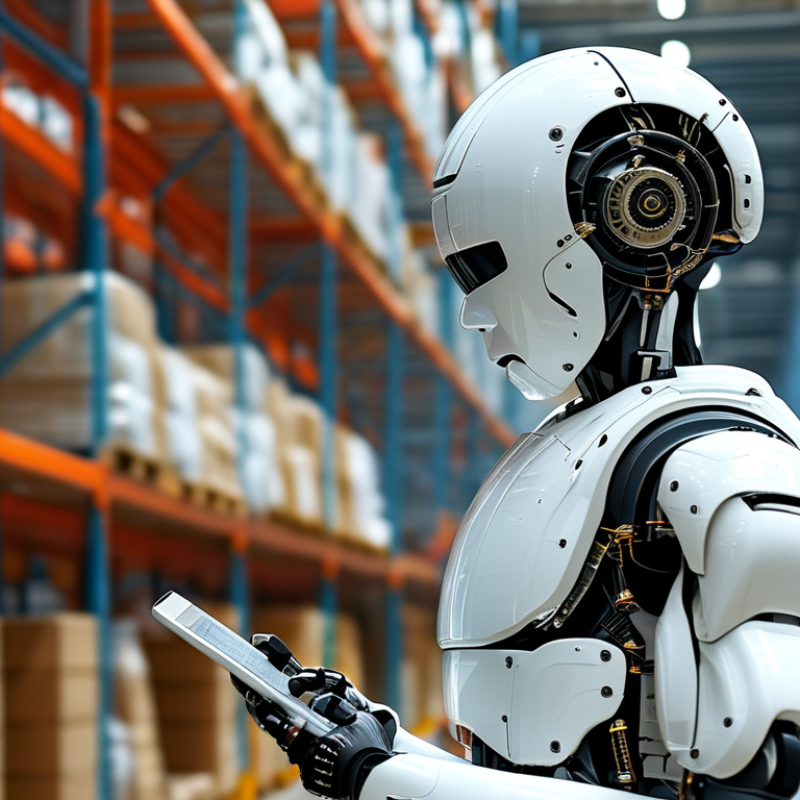
2026 Top Material Handling Robots Trends You Must Know?

Emerging Technologies in Material Handling Robots for 2026

The landscape of material handling robots is evolving rapidly. As we look toward 2026, several emerging technologies promise to enhance efficiency and reliability. Automation is a key driver, streamlining operations across various industries. Autonomous mobile robots (AMRs) are gaining traction. These robots navigate complex environments without human intervention.

AI integration plays a vital role. Smart algorithms help robots learn from their surroundings. They adapt to changes in real-time. This adaptability increases operational efficiency. However, the challenge lies in the high initial investment. Companies must weigh costs against long-term benefits.

Tips for businesses considering this technology: Evaluate your specific needs before investing. Not every solution fits all operations. Start small; implement pilot programs to test effectiveness. Monitor performance metrics closely. Continuous learning allows for better decision-making. Reflect on your experiences regularly to refine strategies. Embracing these technologies can lead to transformative changes.

2026 Top Material Handling Robots Trends

This chart illustrates the projected growth in various trends related to material handling robots by 2026. The categories reflect the emerging technologies that are expected to shape the future of the industry.

Key Trends Shaping the Future of Automation in Material Handling

The material handling industry is experiencing a significant transformation, driven by automation. Advanced robots are taking center stage, enhancing productivity and efficiency. These robots are designed to tackle various tasks, from transporting goods to sorting items in warehouses. The integration of artificial intelligence (AI) allows machines to learn and adapt, improving their performance over time.

One of the key trends shaping this future is the rise of collaborative robots, or cobots. These machines work alongside human operators, providing support and taking on repetitive tasks. This collaboration can lead to a safer workplace. Operators can focus on more complex duties. However, integration challenges remain. Training employees to work with these robots is crucial for success.

Another notable trend is the increased use of data analytics. Smart robots now gather real-time data to optimize operations. Tracking performance metrics not only aids decision-making but also highlights areas for improvement. Companies must adapt to this data-driven approach, creating a culture of continuous learning. Embracing such changes requires a shift in mindset, as many are still hesitant about fully integrating automation into their workflows.

Impact of Artificial Intelligence on Material Handling Robots

Artificial Intelligence (AI) is reshaping the landscape of material handling robots. The integration of AI technologies enables robots to learn from their environments. This leads to more efficient and adaptive workflows. Robots can analyze real-time data, optimizing inventory management and transport logistics. As a result, businesses see reduced downtime and improved productivity.

However, the reliance on AI isn't without challenges. Robots can struggle with complex tasks that require human-like judgment. There may be instances where they misinterpret data or encounter unexpected scenarios. Training these machines is an ongoing process. Companies must continually assess and refine AI systems to address these gaps. Implementing AI requires a balance of innovation and caution.

Despite these drawbacks, AI's potential in material handling is significant. Enhanced algorithms can improve decision-making rapidly. Operators need to stay informed about advancements in AI technology. They must also develop strategies to harness these innovations effectively. This delicate interplay between AI capabilities and human oversight shapes the future of material handling. The journey is still in progress, with much to learn and adapt as we move forward.

Sustainability Practices in Material Handling Robotics

The rise of sustainability practices in material handling robotics is transforming the industry. Many companies are now prioritizing eco-friendly solutions. For instance, energy-efficient motors and recyclable components are becoming common in robotic designs. This shift not only reduces the carbon footprint but also cuts operational costs. However, implementing these practices is not without challenges. Some firms struggle to find sustainable materials that maintain performance.

Another aspect is the energy consumption of these robots. While many models promote lower energy use, actual savings can vary. Operators must constantly monitor and analyze energy metrics. Accurate data helps in making informed decisions on energy management. Yet, this requires investment in software and training. A comprehensive approach can yield better results.

Moreover, the lifecycle of robots needs attention. Many systems rely on their longevity to justify the upfront costs. However, integrating sustainable practices can make lifecycle management more complex. Regular maintenance is essential but might not always align with green practices. Balancing efficiency with sustainability remains a key challenge in the field.

Integration of Collaborative Robots in Warehousing Solutions

The integration of collaborative robots (cobots) in warehousing solutions is transforming the logistics landscape. A recent report from a leading industry analyst predicts that the collaborative robotics sector will reach $12 billion by 2026, growing at a compound annual growth rate (CAGR) of over 30%. This rapid expansion reflects the increasing demand for efficiency in materials handling.

Cobots enhance productivity by working alongside human workers. They handle repetitive tasks, allowing staff to focus on more complex responsibilities. For example, a warehouse could use cobots to transport goods from one area to another. This creates a more organized workflow. Companies have reported up to a 25% reduction in operational costs when combining human labor with cobots. However, the implementation of these technologies is not without challenges. Workers might feel threatened by automation, leading to resistance.

Moreover, integrating cobots requires careful planning. Logistics managers must consider safety protocols and training for operators. According to a survey, nearly 40% of businesses face hurdles in adopting these solutions. There’s a need for robust strategies to address employee concerns. Balancing efficiency and workforce morale remains an enduring challenge. In pursuit of efficiency, companies must ensure that the human touch in warehousing is not lost.

2026 Top Material Handling Robots Trends You Must Know - Integration of Collaborative Robots in Warehousing Solutions

Trend Description Impact on Warehousing Year of Expected Adoption
Increased Use of Cobots Collaborative robots working alongside human workers Enhances efficiency and safety 2024
AI-Powered Automation Using AI to optimize material handling processes Increases precision and reduces downtime 2025
Advanced Sensors and IoT Integration of smart sensors for real-time data Improves decision-making processes 2026
Autonomous Mobile Robots (AMRs) Self-navigating robots for transporting goods Reduces labor costs and increases throughput 2025
Enhanced Robotics Training Training programs focused on robotics in warehousing Builds skilled workforce ready for automation 2026

Plug & Play Installation

Our installation services are top-notch, delivering modular systems for any application on time in plug & play condition. We leave nothing for you to figure out, set up, or fix. All you’ve to do is just step in, and get going with your business.

Dismantling & Reassembling

We hold a long-term view when we build modular rooms taking into consideration your changing needs. Whether it’s shifting your workspace to a new site, redesigning your unit to fit new requirements, or simply clearing the area at the end of the project, our Dismantling & Reassembling teams are pressed into service to get the job done in the quickest possible time and minimum resource wastage.

Interior Designing

Our interior designs combine both functional and aesthetic aspects to provide you with physical and emotional comfort. We ask you for your preferences and give the best possible solutions aligned to your tastes. Our units are built to be modern, stylish, and elegant.

Bespoke Solutions

We understand that every project is unique and therefore has a different set of requirements. That’s why we believe in customizing our solutions to fit individual needs. We are equipped with the right talents, technology, and skillset to offer bespoke modular units, without compromising on turnaround time or quality.

Aftersales Service

The benefits of choosing Containers ME continues long after the installation of the units as we provide aftersales service for as long as you need. All you have to do is sign the Annual Maintenance Contract (AMC) and enjoy technical support for all the maintenance-related issues. By signing the contract, you can rest assured that a highly professional team of dedicated staff are at your service all year round to attend to your needs.

Customized Container Solutions

We specialize in Customized Container Solutions designed to meet diverse needs across the UAE. Our offerings include customized modular containers that cater to various applications, from tailor-made container solutions to bespoke container designs.

Whether you’re looking for personalized container homes or custom modular containers, we have you covered. Our customized container offices provide functional workspaces, while our customized portable containers ensure flexibility on-site. Explore our range of custom container storage units and customized cargo containers to optimize your space.

We also offer custom container leasing and custom container fabrication services, along with customized sea containers designed for secure transport. For specialized needs, our specialized container modifications will help you create the perfect solution for your requirements in both Dubai and the broader UAE.

Get a quote

Get a quote