
Choosing a Screw Pan Head is not just a matter of appearance. Buyers need to compare head diameter, height, drive style, thread, material, and length. A Phillips drive may suit common assembly work, while Torx can offer steadier engagement when installation torque matters. The right choice depends on the joint and the tool available.
Fastener engineering author John H. Bickford provides a useful technical perspective through his published work on bolted joints. A buyer-focused paraphrase of that guidance is: “Choose the head for the joint, not appearance alone.” It is a simple rule, but easy to overlook. A broad pan head can spread bearing pressure across a surface; a mismatched drive can still slow assembly or damage the recess.
This guide introduces common pan head types and buyer-relevant sizes for 2026. It explains how to read diameter and length listings, compare slotted, Phillips, and other drive options, and check material and finish against the working environment. Dimensions can vary by standard and supplier, so confirm the product drawing before ordering. That extra check matters. A listed size may look familiar, yet differ slightly in head height or drive fit. Not every catalog makes those details easy to compare, and buyers should treat unclear specifications as a reason to ask questions.
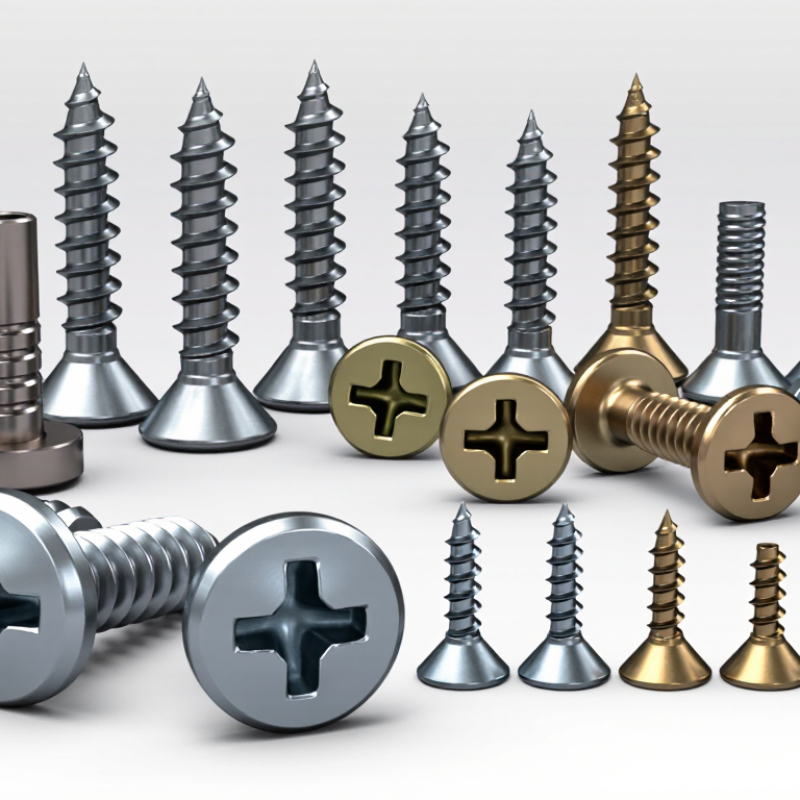
A pan head screw has a low, rounded top and a flat underside that rests against the material. Its profile spreads the clamping force across a wider area than a countersunk head. The top remains visible after installation. That can suit brackets, electrical enclosures, and thin sheet assemblies where a flush finish is not required.
The design is simple, but small differences matter. Head diameter and height affect clearance, appearance, and how much surface the screw can support. The drive may be Phillips, slotted, hex, or another form, so match the tool to the application. A poorly fitting driver can slip and damage the recess. Not ideal.
Buyers should also check the thread diameter, length, material, and finish. For example, a screw that is too long may protrude behind a thin panel, while one that is too short may not engage enough threads. Confirm the mating material and expected load rather than choosing by head shape alone. Product dimensions can vary between specifications, and catalog labels do not always tell the whole story. Verify the drawing or sample when fit is critical.

In 2026, “pan head” describes a screw head shape, not one single screw type. Its broad, slightly rounded top provides a neat finish and a wider bearing surface than a flat head. Pan head machine screws suit pre-threaded holes or nuts, making them common in equipment panels and brackets. Self-tapping versions cut or form threads as they enter suitable materials. Thread-forming screws displace material instead, so the right pilot-hole size matters. Small difference. Big effect.
Drive styles vary, too. Slotted and Phillips drives remain familiar, while Torx-style and hex socket drives can help reduce driver slippage when installed with a matching tool. Buyers may also encounter cross-recess combinations. Materials include carbon steel and stainless steel, with finishes chosen for the environment and appearance. A finish is not a substitute for checking corrosion needs. That part is easy to overlook.
For sizing, check diameter, thread pitch, and length, then confirm how the supplier measures length; it is typically taken from beneath the head. Metric listings may show dimensions such as M4 × 12 mm, while inch-based listings use diameter and length conventions. These examples are not interchangeable. Match the screw to the mating hole, material thickness, and expected load, and verify the relevant product specification before ordering. Even a few millimeters can change whether the screw grips properly or protrudes behind a panel.
A pan head screw is specified by its thread diameter, length, pitch, drive, and material or finish. For example, M4 × 16 describes a nominal 4 mm thread diameter and a 16 mm screw length.
For most metric pan head screws, length is measured from the bearing surface beneath the head to the tip—not across the head. That detail matters when checking whether a screw will sit flush against a bracket or enter a threaded hole far enough.
Standards make dimensions comparable. ISO 7045:2011 specifies dimensions for pan head screws with cross recesses, while ISO 261 defines metric thread series. In the ISO metric coarse series, an M4 thread has a 0.7 mm pitch.
Buyers should still confirm the product drawing: head diameter, head height, recess type, and dimensional tolerances can vary by standard and screw design. Check the thread engagement, too. A nominal size alone does not confirm fit.
Small differences matter. A practical check is to compare the drawing with the actual mating part, especially when clearance is tight.
Standards help, but I would not treat a catalog shorthand as a complete inspection specification.
2026 Top Screw Pan Head Types and Sizes for Buyers?
Which Materials, Drives, and Threads Suit Different Uses?
Pan head screws offer a broad, low-profile top and a flat underside, making them useful when parts need secure fastening without a countersink. Choose stainless steel for damp environments, carbon steel for general indoor work, and brass when appearance or electrical properties matter. Material choice affects corrosion resistance and strength, so match it to the surroundings and load. A shiny finish alone does not guarantee durability.
Drive style matters when access is tight or repeated assembly is expected. Phillips drives are familiar, while Torx-style drives can help reduce bit slippage under controlled installation. Slotted drives are simple, but the bit may wander. For wood, coarse threads usually grip effectively; machine threads suit pre-tapped holes or nuts. Check diameter, length, and thread pitch against the parts being joined. A screw that is too long can protrude or damage hidden components. Small mismatch, big headache.
Tips: Test one screw in a sample joint before ordering in bulk. Use the correct driver and avoid overtightening, especially in softer materials. If the joint carries significant load, verify the screw specification and substrate requirements rather than relying on appearance alone.
Start with the joint, not the catalog photo. Measure the screw diameter, length, and available clearance, then match the head diameter and height to the mating part. ISO 7045 specifies dimensions for cross-recessed pan head screws, while ASME B18.6.3 covers several inch-series machine-screw dimensions. Confirm the applicable standard and thread system; similar-looking screws may not fit. Choose material and finish for the environment, and check the required strength class against the joint load. Under ISO 898-1, property class 4.8 has a nominal tensile strength of 400 MPa. That figure is not a safe working load.
Verify samples with calipers, thread gauges, and a correctly sized driver bit. Check plating, head shape, and thread engagement under good lighting. For production orders, request a certificate of conformity and traceable inspection records, then compare a sample with the purchase specification. A certificate helps, but it does not replace incoming checks.
Tips: Test several screws in the actual mating hole. Watch for cam-out, loose engagement, or heads that sit proud. Record the measured dimensions and batch details. Small inconsistencies happen; buyers should treat them as a signal to review the specification, not simply accept them.
Subscribe to our newsletter for the latest news and exclusive offers.
We hold a long-term view when we build modular rooms taking into consideration your changing needs. Whether it’s shifting your workspace to a new site, redesigning your unit to fit new requirements, or simply clearing the area at the end of the project, our Dismantling & Reassembling teams are pressed into service to get the job done in the quickest possible time and minimum resource wastage.
We understand that every project is unique and therefore has a different set of requirements. That’s why we believe in customizing our solutions to fit individual needs. We are equipped with the right talents, technology, and skillset to offer bespoke modular units, without compromising on turnaround time or quality.
The benefits of choosing Containers ME continues long after the installation of the units as we provide aftersales service for as long as you need. All you have to do is sign the Annual Maintenance Contract (AMC) and enjoy technical support for all the maintenance-related issues. By signing the contract, you can rest assured that a highly professional team of dedicated staff are at your service all year round to attend to your needs.
We specialize in Customized Container Solutions designed to meet diverse needs across the UAE. Our offerings include customized modular containers that cater to various applications, from tailor-made container solutions to bespoke container designs.
Whether you’re looking for personalized container homes or custom modular containers, we have you covered. Our customized container offices provide functional workspaces, while our customized portable containers ensure flexibility on-site. Explore our range of custom container storage units and customized cargo containers to optimize your space.
We also offer custom container leasing and custom container fabrication services, along with customized sea containers designed for secure transport. For specialized needs, our specialized container modifications will help you create the perfect solution for your requirements in both Dubai and the broader UAE.




