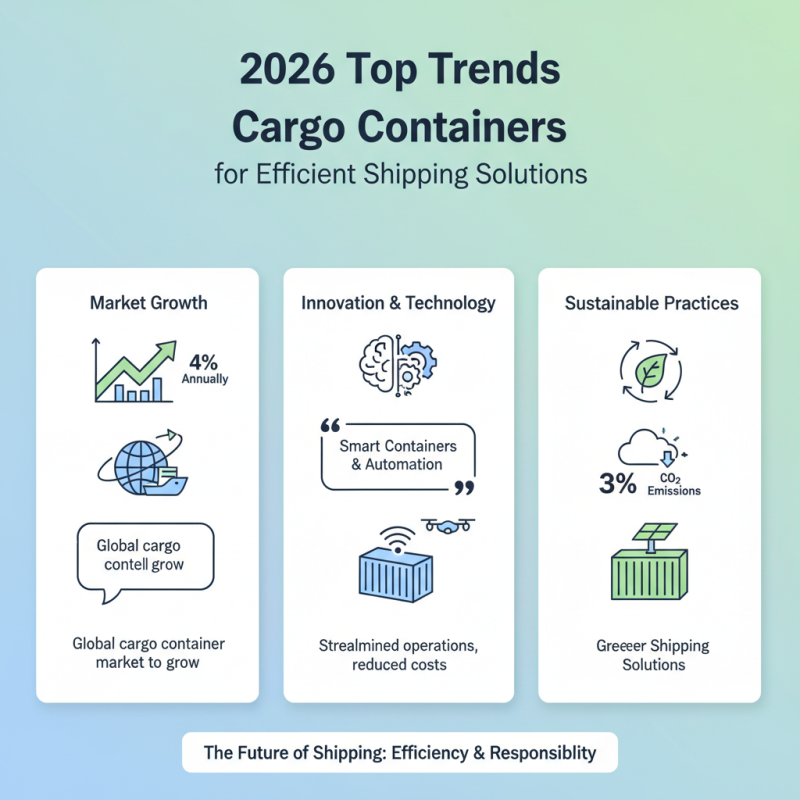
In recent years, the logistics industry has undergone significant changes. Cargo containers have become increasingly essential for efficient shipping solutions. According to a report by the International Maritime Organization, the global cargo container market is expected to grow by 4% annually, highlighting their importance in trade.
Experts in the field, like Dr. Emily Chen, emphasize the transformative power of cargo containers. She states, “Innovative designs and smart technology can streamline operations and reduce costs.” This sentiment captures the industry's shift towards modernization and efficiency. However, challenges remain. Many organizations still struggle to adopt these technologies effectively.
As the industry progresses, the need for sustainable practices grows. Shipping accounts for about 3% of global CO2 emissions, prompting calls for greener solutions. It’s clear that while cargo containers represent the future of shipping, achieving efficiency must also encompass environmental responsibility.
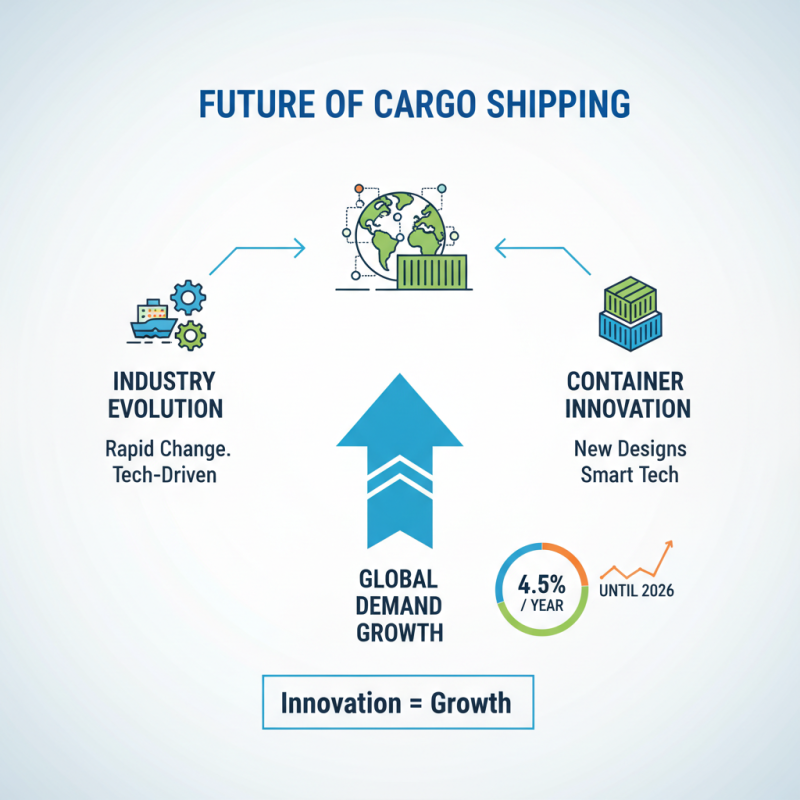
The cargo shipping industry is rapidly evolving. Emerging technologies in container design play a crucial role. The Global Demand for Shipping Containers Report indicates a projected growth of 4.5% per year until 2026. This growth drives innovation.
Lightweight materials, such as advanced composites, help optimize container weight. These materials improve fuel efficiency. They also allow for higher load capacity. According to a recent study, lightweight containers can reduce shipping costs by up to 15%. However, manufacturers face challenges in balancing durability and weight. The risk of using new materials is still a concern in production.
Smart containers equipped with IoT devices are gaining traction. They provide real-time tracking and monitoring. This technology enhances asset visibility, which is critical in reducing losses. Yet, the complexity of integrating these systems can be daunting. Not all companies are tech-savvy. The potential of these innovations is immense, but the implementation path remains unclear for many operators.
Sustainability is reshaping the cargo container industry. Innovative materials are now in focus. Manufacturers are exploring eco-friendly options like recycled steel and biodegradable composites. These changes reduce environmental impact while maintaining durability.
Tips for businesses: Consider your supply chain. Opt for vendors who prioritize sustainability. Engage in life cycle assessments of containers to understand their environmental footprint.
Energy-efficient production methods are becoming standard. Companies are investing in renewable energy for manufacturing processes. This shift not only saves costs but also addresses climate change.
However, challenges remain. Not all manufacturers can afford these upgrades. Small businesses may struggle with the transition. It’s crucial to foster collaboration within the industry to share best practices.
Remember, even small changes can make a difference. Look for local suppliers to reduce transportation emissions. Together, we can drive positive change in cargo container manufacturing.
The integration of IoT in cargo containers is transforming the shipping industry. Smart sensors provide real-time tracking, allowing companies to monitor their shipments accurately. This technology enables businesses to see the condition of their cargo throughout its journey. Temperature control, humidity levels, and movement can all be tracked effectively.
Yet, challenges persist. Not all shipping companies are ready for this change. Implementation requires investment in technology and training. Data security is another concern. If not managed well, sensitive information may be exposed. Furthermore, not every cargo owner understands the benefits of IoT. There is a gap in knowledge that needs to be addressed.
Despite these hurdles, the advantages of smart containers are clear. Enhanced tracking leads to improved efficiency and reduced losses. With the influence of IoT, shipping can become more transparent. This shift could redefine how businesses manage their supply chains. However, it will take time for all players in the industry to adapt fully.
| Trend | Description | Estimated Impact (%) | Implementation Year |
|---|---|---|---|
| IoT Integration | Utilizing IoT sensors for real-time tracking and monitoring of cargo conditions. | 25% | 2026 |
| Smart Cargo Containers | Containers equipped with technology to automatically adjust temperature and humidity. | 30% | 2025 |
| Blockchain Solutions | Implementing blockchain for transparent supply chain management. | 40% | 2026 |
| Autonomous Vehicles | Integration of autonomous trucks for safer and more efficient freight transport. | 20% | 2027 |
| Energy Efficiency | Focus on reducing fuel consumption and carbon footprint through innovative designs. | 35% | 2026 |
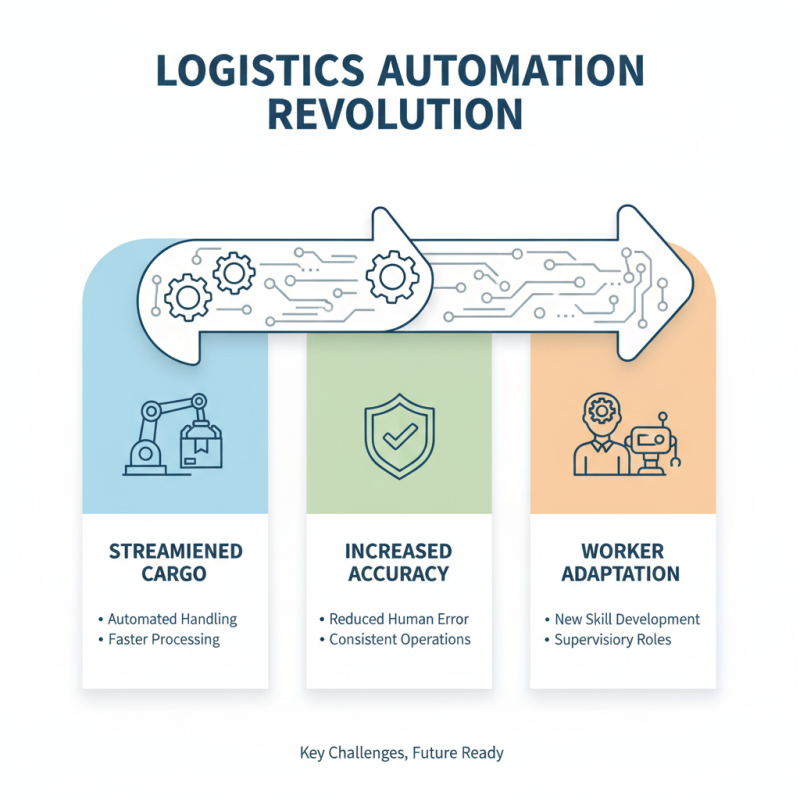
The logistics industry is rapidly embracing automation and robotics. These technologies streamline cargo handling. Automated systems reduce human error but pose challenges. Workers must adapt to new roles.
Robots assist in loading and unloading cargo containers. They can operate in tight spaces and lift heavy loads. However, integrating robots into existing workflows can be difficult. Some facilities face resistance from staff concerned about job security. Training programs are crucial to ease this transition and maximize efficiency.
Data analytics play a vital role alongside automation. Real-time insights help manage inventory and optimize routes. But relying on data can lead to overconfidence. Companies must maintain a balance between automation and human oversight. This synergy enhances productivity while ensuring adaptability in unpredictable scenarios.
Regulatory changes are reshaping cargo container standards. As governments adjust their policies, shipping practices must evolve. These shifts often aim to enhance safety and reduce environmental impact. Compliance can become challenging for logistics companies. They need to monitor updates closely.
Effective strategies can ease this transition. Stay informed about regulations in your region. Read industry reports regularly. Build relationships with regulators to understand upcoming changes.
Consider retrofitting containers to meet new standards. This approach can prolong their lifespan and enhance safety. Yet, it requires a balance between cost and compliance. Investing in updates is crucial but can strain budgets. Evaluate your options carefully. What works for one company might not work for another.
The chart above illustrates the adoption rates of top trends in cargo containers projected for 2026. These include sustainable materials, smart containers, regulatory compliance, modular designs, and automated operations. The trends reflect the industry's shift toward more efficient and environmentally friendly shipping solutions.
Subscribe to our newsletter for the latest news and exclusive offers.
We hold a long-term view when we build modular rooms taking into consideration your changing needs. Whether it’s shifting your workspace to a new site, redesigning your unit to fit new requirements, or simply clearing the area at the end of the project, our Dismantling & Reassembling teams are pressed into service to get the job done in the quickest possible time and minimum resource wastage.
We understand that every project is unique and therefore has a different set of requirements. That’s why we believe in customizing our solutions to fit individual needs. We are equipped with the right talents, technology, and skillset to offer bespoke modular units, without compromising on turnaround time or quality.
The benefits of choosing Containers ME continues long after the installation of the units as we provide aftersales service for as long as you need. All you have to do is sign the Annual Maintenance Contract (AMC) and enjoy technical support for all the maintenance-related issues. By signing the contract, you can rest assured that a highly professional team of dedicated staff are at your service all year round to attend to your needs.
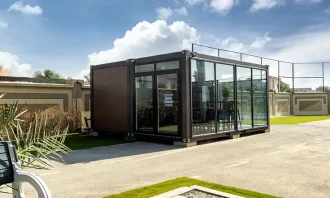
We specialize in Customized Container Solutions designed to meet diverse needs across the UAE. Our offerings include customized modular containers that cater to various applications, from tailor-made container solutions to bespoke container designs.
Whether you’re looking for personalized container homes or custom modular containers, we have you covered. Our customized container offices provide functional workspaces, while our customized portable containers ensure flexibility on-site. Explore our range of custom container storage units and customized cargo containers to optimize your space.
We also offer custom container leasing and custom container fabrication services, along with customized sea containers designed for secure transport. For specialized needs, our specialized container modifications will help you create the perfect solution for your requirements in both Dubai and the broader UAE.