Blogs

Top Benefits of Waste Gas to Energy Plant in China?

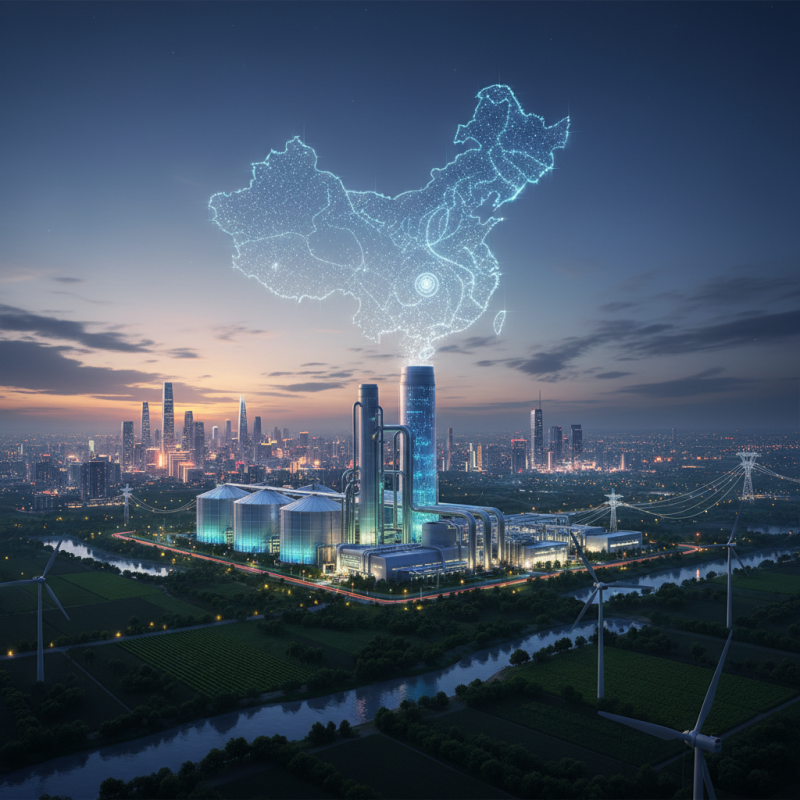
The growing demand for energy in China highlights the importance of sustainable solutions. Waste Gas to Energy Plants offer a promising avenue. This technology transforms harmful waste gases into usable energy. According to the International Energy Agency, converting waste gas can reduce greenhouse gas emissions significantly, presenting a dual advantage.

In 2022, China produced over 1.6 billion tons of waste. A substantial portion of this waste generates harmful gases, contributing to air pollution. By deploying Waste Gas to Energy Plants, China can harness these gases, reducing reliance on fossil fuels. This shift supports the nation’s goal to peak carbon emissions by 2030 and achieve carbon neutrality by 2060.

However, implementation challenges exist. Not all regions have adequate technological infrastructure. Moreover, the initial investment for Waste Gas to Energy Plants can be substantial. It’s crucial to balance these factors with the long-term benefits. Enhancing awareness and funding can improve the situation. Efficient policies will support the growth of this vital sector. Redefining energy sources can drive China towards a more sustainable future.
Top Benefits of Waste Gas to Energy Plant in China?

Top Economic Benefits of Waste Gas to Energy Plants in China

Waste gas to energy plants in China present significant economic benefits. These facilities convert harmful emissions into useful energy, reducing dependence on fossil fuels. They also create jobs, contributing to local economies. Skilled positions in engineering and operations emerge, providing stable employment opportunities.

Moreover, these plants can reduce operational costs. By utilizing waste gases, companies can lower their energy expenses. This transition promotes sustainability and enhances profit margins. However, initial investments can be high, and efficiency can fluctuate. Continuous improvement and technological integration are essential for long-term success.

Investors may see a mixed return on investment. The fluctuating energy market releases uncertainties. Additionally, community acceptance plays a critical role. Local opposition can delay projects, affecting expected economic benefits. Engaging with stakeholders early in the process may mitigate issues, but it's an ongoing challenge.
Environmental Impact of Waste Gas to Energy Technology in China

The environmental impact of waste gas to energy technology in China is significant, addressing both pollution and energy needs. According to the China National Energy Administration, waste gas conversion can reduce harmful emissions such as CO2 by up to 30%. This technology transforms greenhouse gases into usable energy, decreasing the reliance on fossil fuels.

However, this shift is not without challenges. There are concerns regarding the proper management of emissions during the conversion process. Some estimates suggest up to 15% of energy output can be lost due to inefficient technologies. Continuous research and development are essential to improve efficiency in this sector.

Tips: Regular monitoring of emissions is vital. Implementing advanced filtration systems could minimize potential harmful byproducts. In addition, engaging local communities can help address concerns related to environmental safety. Balancing energy production with ecological health is key for future success.

Technological Innovations Driving Waste Gas to Energy Efficiency

Technological innovations are key drivers in enhancing the efficiency of waste gas to energy plants in China. The country has rapidly adopted advanced technologies to convert waste gases into valuable energy resources. For instance, the integration of anaerobic digestion has increased energy recovery rates by over 30%. Such processes not only mitigate environmental impacts but also support China's energy transition efforts.

Several reports indicate that the implementation of Artificial Intelligence (AI) in monitoring and controlling emissions can lead to a 15% increase in operational efficiency. AI-driven systems analyze data in real-time, allowing for adjustments that improve energy output. This technological leap fosters sustainable practices, aligning with global emission reduction goals. However, there is room for improvement. Some plants still face challenges in integrating these technologies due to legacy systems and high initial costs.

Tip: Invest in training staff to operate and maintain advanced systems effectively. Knowledgeable teams can maximize the benefits of these technological innovations. Collaboration with universities can also aid in exploring newer, cost-effective methods. The journey toward efficiency is ongoing, and continuous learning is vital.

Regulatory Framework Supporting Waste Gas to Energy Initiatives in China

The regulatory framework in China is critical for waste gas to energy initiatives. The government has established robust guidelines to promote sustainable practices. These regulations aim to facilitate the conversion of waste gas into usable energy, ensuring environmental protection alongside energy needs.


Local governments play a pivotal role in implementing these initiatives. They offer incentives like tax reductions and subsidies. These measures encourage investments in waste gas to energy plants. However, there are challenges in enforcement. Not all regions comply uniformly with regulations. This inconsistency can create obstacles for project developers.


Tips: When considering waste gas to energy projects, pay attention to local policies. Research existing plants to understand their compliance with regulations. Engage with local stakeholders to identify potential hurdles early on. Strong community support can enhance project success.

Case Studies: Successful Waste Gas to Energy Projects in China

Waste gas to energy projects in China are gaining momentum, showcasing their potential for sustainable energy. One notable case is the facility in Jiangsu, which converts waste gases from industrial processes into electricity. This project has reduced greenhouse gas emissions by over 300,000 tons annually. It illustrates the transition China is making towards cleaner energy solutions.

Another successful initiative is the plant in Guangdong. This facility utilizes biogas generated from agricultural waste. According to the National Renewable Energy Laboratory, biogas projects in China could generate over 40 billion kWh annually. The local community benefits, as it provides cleaner energy and reduces waste management costs.

Tips: Look for well-documented case studies. Real-world examples often reveal both achievements and challenges in implementation. Continuous assessment is vital; not all projects meet initial goals. Evaluate performance metrics regularly to ensure ongoing success. A holistic approach will lead to better long-term outcomes in waste gas to energy projects.

Top Benefits of Waste Gas to Energy Plant in China

Plug & Play Installation

Our installation services are top-notch, delivering modular systems for any application on time in plug & play condition. We leave nothing for you to figure out, set up, or fix. All you’ve to do is just step in, and get going with your business.

Dismantling & Reassembling

We hold a long-term view when we build modular rooms taking into consideration your changing needs. Whether it’s shifting your workspace to a new site, redesigning your unit to fit new requirements, or simply clearing the area at the end of the project, our Dismantling & Reassembling teams are pressed into service to get the job done in the quickest possible time and minimum resource wastage.

Interior Designing

Our interior designs combine both functional and aesthetic aspects to provide you with physical and emotional comfort. We ask you for your preferences and give the best possible solutions aligned to your tastes. Our units are built to be modern, stylish, and elegant.

Bespoke Solutions

We understand that every project is unique and therefore has a different set of requirements. That’s why we believe in customizing our solutions to fit individual needs. We are equipped with the right talents, technology, and skillset to offer bespoke modular units, without compromising on turnaround time or quality.

Aftersales Service

The benefits of choosing Containers ME continues long after the installation of the units as we provide aftersales service for as long as you need. All you have to do is sign the Annual Maintenance Contract (AMC) and enjoy technical support for all the maintenance-related issues. By signing the contract, you can rest assured that a highly professional team of dedicated staff are at your service all year round to attend to your needs.

Customized Container Solutions

We specialize in Customized Container Solutions designed to meet diverse needs across the UAE. Our offerings include customized modular containers that cater to various applications, from tailor-made container solutions to bespoke container designs.

Whether you’re looking for personalized container homes or custom modular containers, we have you covered. Our customized container offices provide functional workspaces, while our customized portable containers ensure flexibility on-site. Explore our range of custom container storage units and customized cargo containers to optimize your space.

We also offer custom container leasing and custom container fabrication services, along with customized sea containers designed for secure transport. For specialized needs, our specialized container modifications will help you create the perfect solution for your requirements in both Dubai and the broader UAE.

Get a quote

Get a quote