Blogs

What Is the Best Construction Container Supplier in China?

Choosing the best construction container supplier in China requires more than comparing prices on a product page. Quality begins with the steel frame, welding accuracy, insulation, drainage, and electrical safety. It continues through factory control, customization, packaging, and delivery support. A reliable supplier should explain each stage clearly. Vague promises are not enough.

Li Wei, a construction container engineering consultant with experience in modular project planning, says, “The best supplier is not always the cheapest; it is the one that protects performance after installation.” This view matters on real sites. A container may look excellent in photographs, yet fail when exposed to heavy rain, strong sunlight, or repeated relocation. Buyers should request material specifications, welding standards, fire-resistance information, and completed project references. Factory visits can reveal more than polished brochures. Look at the production floor. Check the corner joints. Ask how defects are recorded and corrected.

There is no universal winner. Project needs differ. A mining camp needs rugged transportability. A construction office needs comfort, lighting, and fast installation. Accommodation units require careful ventilation and sanitary planning. Even experienced buyers can overlook local installation conditions. That deserves reflection. Supplier selection should therefore balance engineering ability, communication, certifications, lead time, warranty response, and total project cost. The right construction container supplier offers evidence, not impressive language. It also admits limitations. That honesty is often a stronger sign of professionalism than a perfect sales presentation.
What Is the Best Construction Container Supplier in China?

What Is a Construction Container Supplier?

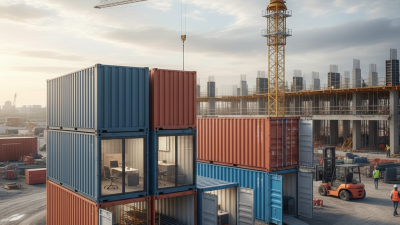
A construction container supplier is more than a company that sells steel boxes. It designs, manufactures, delivers, and sometimes installs modular units for active building sites. These units may serve as offices, storage rooms, accommodation, sanitation areas, or secure meeting spaces. A reliable supplier should understand site access, lifting points, insulation, ventilation, drainage, fire performance, and local building requirements. The right container must fit the project, not merely look affordable in a quotation.

Tips: Ask for material specifications, structural drawings, load information, and maintenance guidance. Check whether the supplier can provide factory inspections and clear delivery schedules. On a real site, small details matter. A door placed on the wrong side can slow daily work. Poor drainage can damage flooring after heavy rain. Confirm transport dimensions before ordering, especially where roads are narrow or cranes have limited reach. Compliance documents should match the destination country and project use.

The best construction container supplier in China should communicate clearly before production begins. It should explain what is included, such as wiring, lighting, plumbing, flooring, and internal partitions. Experienced teams also review wind loads, foundation conditions, and emergency access. Sometimes, the cheapest option creates extra costs through repairs or delayed installation. I have noticed that project requirements can change suddenly, so flexible designs are valuable. Still, flexibility should not replace careful engineering or documented quality checks. A small mistake in measurements can become an expensive site problem.
What Is the Best Construction Container Supplier in China?

What Is a Construction Container Supplier?

A construction container supplier provides modular site offices, storage units, accommodation units, and related services such as customization, delivery, installation, and maintenance. The chart below compares standard external dimensions of common ISO container formats used as a reference when planning construction-site space.

Reference data: nominal external dimensions based on ISO 668:2020. Actual construction containers may vary by design, insulation, fittings, and local regulations.

Which Products Do Chinese Suppliers Typically Offer?

What Is the Best Construction Container Supplier in China?

Chinese construction container suppliers typically offer more than basic steel boxes. Their product ranges often include site offices, worker accommodation units, guard rooms, storage containers, dining rooms, and sanitary modules. Many suppliers also provide flat-pack cabins, expandable units, and prefabricated buildings for temporary or semi-permanent projects.

Common options include steel frames, sandwich panel walls, insulated roofs, doors, windows, electrical systems, flooring, and plumbing. Some suppliers can adjust layouts, colors, insulation thickness, and internal fittings. On a busy site, a container office may need desks, lighting, air conditioning, and cable openings. A storage unit may require reinforced floors and ventilation instead.

Tips: Request detailed drawings, material specifications, load information, and installation instructions. Check welding quality, panel joints, drainage design, and corrosion protection. Ask for factory photos and recent inspection records. Samples help, but they do not reveal every production weakness.

Reliable purchasing requires more than comparing prices. Confirm the steel grade, panel core, fire performance, electrical components, and packing method. Ask how replacement parts are handled after delivery. This detail is often overlooked. It should not be.

A practical mistake is choosing the largest layout without checking transport limits. Measure access roads, lifting space, foundation levels, and local weather conditions. A cheaper unit can become expensive after modification. Supplier communication also matters, especially when drawings change late. Clear documentation reduces confusion, although it cannot prevent every mistake.

What Is the Best Construction Container Supplier in China? - Which Products Do Chinese Suppliers Typically Offer?

Product Category Typical Product Options Common Dimensions Typical Materials and Construction Common Applications Typical Configuration
Standard Site Office Containers Modular office units, project-management rooms, meeting rooms Approximately 20 ft or 40 ft container footprints; custom modular sizes also available Steel frame, insulated sandwich panels, metal roof, finished floor and electrical wiring Construction sites, infrastructure projects, mining and temporary industrial facilities LED lighting, sockets, doors, windows, air-conditioning provisions and optional furniture
Worker Accommodation Units Dormitories, bedrooms, staff cabins and temporary living quarters Single-room, double-room and multi-room layouts based on project requirements Galvanized or painted steel structure, insulated wall panels, moisture-resistant interior finishes Remote worksites, road and bridge projects, labor camps and emergency accommodation Beds, storage cabinets, ventilation, lighting, power outlets and optional heating or cooling
Sanitary and Shower Containers Toilet blocks, shower rooms, washrooms and combined sanitary units Layouts commonly designed for several users, with separate male, female or accessible areas Corrosion-resistant steel frame, waterproof floor covering, tiled or hygienic wall surfaces Construction camps, public events, temporary offices and disaster-relief facilities Toilets, basins, showers, water tanks, pumps, drainage and water-heating options
Storage and Equipment Containers General storage units, tool rooms, warehouse modules and chemical-storage units Commonly based on 20 ft or 40 ft layouts, with doors positioned for site access Steel panels or corrugated metal walls, reinforced floor, lockable steel doors Tool storage, material protection, spare parts, site equipment and inventory control Shelving, ventilation, lighting, floor reinforcement, spill containment and security locks
Guard Houses and Security Cabins Gatehouses, guard rooms, ticket booths and access-control cabins Compact single-room layouts, typically customized for one or more operators Light-gauge steel frame, insulated panels, glazed windows and durable floor finishes Factories, warehouses, residential developments, parking areas and construction entrances Counter, service window, lighting, power supply, air-conditioning provision and communication cabling
Kitchen and Dining Containers Site kitchens, canteens, food-preparation rooms and dining halls Single-container kitchens or connected multi-unit dining facilities Steel structure, washable wall and ceiling surfaces, non-slip flooring and stainless-steel work areas Worker camps, temporary schools, event sites and large construction projects Preparation counters, sinks, extraction hoods, drainage, refrigeration space and dining furniture
Expandable and Folding Containers Foldable cabins, expandable offices and rapidly deployable accommodation units Compact transport dimensions with increased usable floor area after installation Folding steel frame, insulated panels, hinged or sliding expansion sections Emergency response, temporary classrooms, remote projects and short-term site facilities Pre-installed wiring, doors, windows, flooring and optional plumbing or sanitary modules
Special-Purpose Technical Containers Laboratories, control rooms, workshops, pump rooms and equipment enclosures Engineered to house specified equipment, cable routes and service clearances Reinforced steel frame, insulated or fire-resistant panels, equipment bases and sealed penetrations Energy, telecommunications, manufacturing, water treatment and infrastructure projects Electrical distribution, ventilation, fire-safety provisions, cable trays and equipment mounting

Note: Dimensions, materials, insulation performance, fire rating, plumbing configuration and certification requirements should be confirmed against the destination country’s building, electrical, fire-safety and transport regulations.

How Should You Evaluate Supplier Quality and Compliance?

What Is the Best Construction Container Supplier in China?

Supplier quality begins with evidence, not attractive photographs. Request the factory’s ISO 9001 certificate, production records, welding procedures, and material certificates. The ISO Survey 2022 recorded more than 1.26 million ISO 9001 certificates worldwide. That number shows certification is common, but it does not guarantee every container is well built. Check whether the certificate covers the actual factory and product scope. Confirm the certificate’s validity independently.

Ask for tests linked to the exact model you will purchase. Important records may include structural-load tests, fire-resistance results, electrical safety checks, insulation performance, and coating thickness. Requirements should match the destination country’s building, electrical, and fire codes. A generic report is weak evidence. The report should identify materials, test dates, laboratory details, and product dimensions.

Factory control matters just as much. Review incoming steel inspection, weld sampling, dimensional checks, and final water-leak testing. Traceability should connect each frame to its steel batch and inspection record. McKinsey’s 2019 modular-construction report indicated that modular methods can reduce schedules by 20% to 50%, but poor coordination can erase that advantage. I would not treat a fast quotation as efficiency. One practical weakness is relying too heavily on documents. A third-party factory audit and a pre-shipment inspection often reveal uneven welds, damaged insulation, or missing labels. Small defects become expensive after installation.

What Factors Affect Construction Container Pricing?

Construction container pricing in China depends on more than the steel box itself. Steel grade, wall thickness, insulation, doors, windows, flooring, and electrical fittings all change the factory cost. The World Steel Association reported global crude steel demand of about 1.75 billion tonnes in 2024, showing the scale of a market that can still influence material quotations. Prices also rise when buyers request fire-rated panels, reinforced floors, sanitary units, or special dimensions. Small changes matter.

Freight is another major variable. UNCTAD’s Review of Maritime Transport 2024 states that ships carry over 80% of global merchandise trade. Route distance, container availability, port congestion, insurance, and seasonal surcharges can therefore reshape the delivered price. Labor, welding complexity, factory capacity, and quality inspections add further differences between suppliers. A basic storage unit may look inexpensive, but a furnished site office requires more labor and testing. It adds up quickly.

The buyer’s payment terms and order volume also affect quotations. Larger batches usually spread tooling and inspection costs across more units. However, the lowest quote may exclude foundations, export packing, spare parts, or installation guidance. I would not trust a price without a detailed specification sheet. A rough estimate can be wrong. Ask for steel thickness, coating method, loading capacity, delivery terms, warranty limits, and independent inspection options. These details reveal whether a supplier offers genuine value or simply a cheaper starting number.

How Can You Select the Best Supplier for Your Project?

Selecting the best construction container supplier in China requires more than comparing quotations. Your project needs a supplier that understands site conditions, local regulations, and daily worker needs. Ask for detailed drawings, steel specifications, insulation data, and realistic production schedules. A reliable supplier should explain technical limits clearly, not hide them behind attractive prices.

Request factory photos, recent project references, and independently verifiable certificates. If possible, arrange a video inspection or appoint a local quality inspector. Check welding quality, door alignment, drainage design, electrical protection, and fire-resistant materials. These small details often reveal production discipline. A sample unit can also expose problems before mass production. Do not approve it too quickly. I have seen low-cost proposals become expensive after transport changes, missing accessories, and rework. That mistake is easy to repeat.

Tips: Compare complete delivered costs, not only factory prices. Confirm container dimensions, loading methods, packaging, warranty coverage, spare parts, and after-sales response times in writing. Ask how the supplier handles design changes. Also verify whether the proposed materials meet the destination’s building, electrical, and fire-safety requirements. A supplier may provide excellent units, yet still be unsuitable for your site. Your selection should balance manufacturing experience, communication quality, documented quality control, and honest problem-solving.

Plug & Play Installation

Our installation services are top-notch, delivering modular systems for any application on time in plug & play condition. We leave nothing for you to figure out, set up, or fix. All you’ve to do is just step in, and get going with your business.

Dismantling & Reassembling

We hold a long-term view when we build modular rooms taking into consideration your changing needs. Whether it’s shifting your workspace to a new site, redesigning your unit to fit new requirements, or simply clearing the area at the end of the project, our Dismantling & Reassembling teams are pressed into service to get the job done in the quickest possible time and minimum resource wastage.

Interior Designing

Our interior designs combine both functional and aesthetic aspects to provide you with physical and emotional comfort. We ask you for your preferences and give the best possible solutions aligned to your tastes. Our units are built to be modern, stylish, and elegant.

Bespoke Solutions

We understand that every project is unique and therefore has a different set of requirements. That’s why we believe in customizing our solutions to fit individual needs. We are equipped with the right talents, technology, and skillset to offer bespoke modular units, without compromising on turnaround time or quality.

Aftersales Service

The benefits of choosing Containers ME continues long after the installation of the units as we provide aftersales service for as long as you need. All you have to do is sign the Annual Maintenance Contract (AMC) and enjoy technical support for all the maintenance-related issues. By signing the contract, you can rest assured that a highly professional team of dedicated staff are at your service all year round to attend to your needs.

Customized Container Solutions

We specialize in Customized Container Solutions designed to meet diverse needs across the UAE. Our offerings include customized modular containers that cater to various applications, from tailor-made container solutions to bespoke container designs.

Whether you’re looking for personalized container homes or custom modular containers, we have you covered. Our customized container offices provide functional workspaces, while our customized portable containers ensure flexibility on-site. Explore our range of custom container storage units and customized cargo containers to optimize your space.

We also offer custom container leasing and custom container fabrication services, along with customized sea containers designed for secure transport. For specialized needs, our specialized container modifications will help you create the perfect solution for your requirements in both Dubai and the broader UAE.

Get a quote

Get a quote