Blogs

10 Best Shipping Container Storage Solutions for Buyers

Choosing the right shipping container storage solution starts with the goods, the site, and the daily routine. A dry, well-sealed unit may suit boxed stock, while tools or frequently accessed supplies can call for shelving, lighting, and wider doors. Small details matter. A pallet that cannot turn through the entrance can waste valuable floor space.

This guide uses an original illustrative quote from fictional storage adviser Maya Chen, not a sourced industry quotation: “Measure the workflow, not just the container.” It captures a practical point: buyers should check dimensions, door clearance, ventilation, security features, delivery access, and ongoing costs before ordering. A container that looks ideal in a product photo may not fit a narrow driveway or a sloped loading area. Measure twice.

The ten solutions ahead cover different budgets and use cases, from basic storage units to modified containers with insulation or built-in organization. Compare material condition, weather protection, access needs, and maintenance requirements. Ask sellers for clear specifications and inspect the unit when possible. Used containers can offer strong value, but condition varies; rust, worn door seals, and uneven floors deserve attention. No option is perfect. The best choice is the one that protects your inventory and works reliably at your location.
10 Best Shipping Container Storage Solutions for Buyers

Define Buyer Needs: Inventory Volume, Access, Site Conditions, and Climate

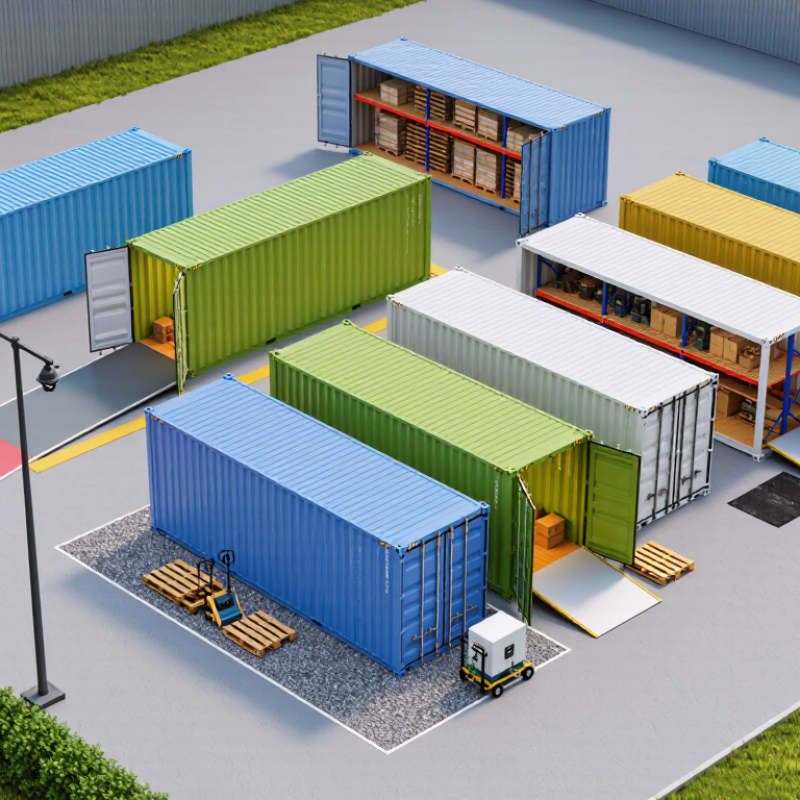
Choosing a shipping container storage solution starts with an honest inventory count. List bulky items, then estimate the floor space each needs, including room to reach them. A 20-foot container may suit seasonal stock, while a 40-foot unit can hold more pallets, but usable space depends on door placement and loading equipment. Measure the largest item, not just the average box. Measure twice. Even careful estimates can miss future deliveries, so leave a little capacity unused.

Access matters as much as volume. If staff retrieve supplies daily, consider shelving, clear aisles, and doors positioned for the loading area. A forklift needs a firm approach and enough turning room; hand-loaded cartons need reachable shelves instead. Check that delivery vehicles can reach the proposed spot without crossing soft ground or tight gates. A container that fits on paper may not fit the site.

Inspect the ground, drainage, and local weather before selecting a unit. A level, compact base helps keep doors aligned, while standing water can invite corrosion. In humid or temperature-sensitive conditions, ventilation, insulation, or active climate control may be needed. They are not interchangeable: ventilation moves air, but does not maintain a stable temperature. Condensation can still surprise buyers, especially when warm, damp goods enter a cool container. Review the actual contents and seasonal conditions; a simple plan can be wrong.
Compare 10 Options: Standard, High-Cube, Refrigerated, and Modified Units

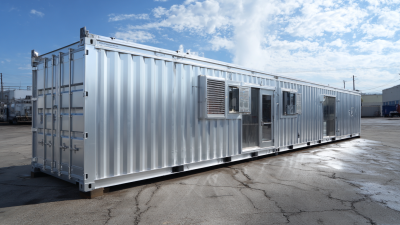
Shipping containers differ in more than length. Measure the usable floor area, door opening, and delivery route before choosing. A standard 20-foot unit suits tools, cartons, or compact inventory. The standard 40-foot option holds more, but needs a larger turning and placement area. High-cube versions add roughly a foot of interior height, useful for tall shelving or bulky loads. Check actual dimensions; repairs and container age can change them.

The ten options include standard 20- and 40-foot units, high-cube 20- and 40-foot units, and refrigerated 20- and 40-foot units. The remaining choices are side-opening, open-top, double-door, and insulated modified containers. Side doors ease access to items stored along the length. Open-top units accept top loading, while double doors allow entry from both ends. Refrigerated models control temperature, but require a suitable power supply and regular equipment checks. They are not simply ordinary containers with thicker walls.

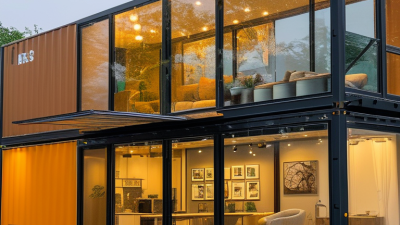
Match the unit to the goods and site. A dry, level base helps doors operate properly, and ventilation matters when stored items can release moisture. Modified units may have added insulation, lighting, or shelving, but alterations can reduce usable space. Small detail, big difference. Ask for recent interior measurements and clear photos of floors, seals, and door edges. A low purchase price can look attractive; hidden repairs may make it a poor fit.

Apply ISO 668 Dimensions: 20-ft and 40-ft Units Are 6.058 m and 12.192 m Long

When comparing shipping container storage solutions, start with the ISO 668 external length.

A standard 20-ft unit measures 6.058 m
while a 40-ft unit measures 12.192 m.

These figures describe the outside length, not the clear storage space inside. Wall thickness, flooring, and door hardware reduce usable dimensions.

Measure the items you plan to store, then check the unit’s interior length and door opening with the supplier. A long machine may fit inside a 40-ft container but still be difficult to load through its doors.

That detail is easy to overlook.

Allow room for delivery equipment, door operation, and safe access around the container. Check the ground, too: a level, well-drained surface helps keep doors aligned and limits standing water.

A 20-ft unit can suit tools, cartons, or compact equipment where space is tight. A 40-ft unit offers more length, but needs a larger placement area and suitable delivery access.

Measure twice. Real sites are rarely perfect.

Check CSC Plates, Payload Ratings, Ventilation, and Security Features

A shipping container can look sound while hiding a costly weakness. Check the CSC plate for its inspection status and maximum gross mass, then confirm the payload rating against the container’s tare weight.

ISO 1496-1 sets performance requirements for general-purpose freight containers, but an old repair or modification may affect a specific unit. Inspect the plate in person. A blurred photo is not enough.

UNCTAD’s Review of Maritime Transport 2023 reports that over 80% of world merchandise trade by volume moves by sea, underscoring why reliable container specifications matter even when a unit will stay on land.

Ventilation deserves a close look. Check that vents are clear, evenly fitted, and free from bent edges; blocked openings can trap damp air and encourage condensation on stored goods. Ventilation helps, but it is not climate control.

For security, inspect door alignment, hinges, locking bars, and the lockbox area. A heavy padlock cannot compensate for damaged doors. Ask for recent photographs and written confirmation of payload, repairs, and inspection history.

I still double-check the floor. Small gaps can matter. A quick walk-through with a flashlight may reveal water staining or soft spots that paperwork misses.

Compare Delivery, Site Preparation, and Total Ownership Costs

A low container price can lose its appeal when delivery requires a crane, a long truck route, or difficult access. Compare quotes for the same container size and ask whether they include unloading, placement, and a return trip. The American Transportation Research Institute’s 2024 report put average U.S. truck operating costs at $2.260 per mile in 2023. That figure is a useful freight benchmark, not a container-delivery quote: specialized equipment and site access can change the bill. Ask the seller to confirm truck type, mileage assumptions, and any extra charges. Measure the entrance and turning area yourself. Small details matter.

Site preparation adds another cost, and skipping it can create expensive problems. Check ground firmness, slope, and drainage before choosing a gravel pad or concrete. A level-looking yard may still soften after heavy rain. For a fair ownership comparison, include purchase, delivery, preparation, maintenance, relocation, and likely resale value. NIST Handbook 135, the Life-Cycle Costing Manual for the Federal Energy Management Program, outlines this broader approach to costs over an asset’s life. Its method is not a container price guide, but the accounting principle applies. I would still treat future relocation costs as uncertain; access and local hauling rates can change. Get written estimates for both delivery and site work, then compare the full cost over your expected years of use.

10 Best Shipping Container Storage Solutions for Buyers — Compare Delivery, Site Preparation, and Total Ownership Costs

Estimated five-year costs in USD for common container configurations. These are illustrative U.S. planning estimates—not observed market averages or supplier quotes. Assumes a level, accessible site, one delivery, basic ground preparation, and no permits, taxes, or ongoing maintenance.

Bars stack the estimated container purchase or five-year rental cost, delivery, and site preparation. Local freight distances, ground conditions, and rental terms can substantially change the total.

Plug & Play Installation

Our installation services are top-notch, delivering modular systems for any application on time in plug & play condition. We leave nothing for you to figure out, set up, or fix. All you’ve to do is just step in, and get going with your business.

Dismantling & Reassembling

We hold a long-term view when we build modular rooms taking into consideration your changing needs. Whether it’s shifting your workspace to a new site, redesigning your unit to fit new requirements, or simply clearing the area at the end of the project, our Dismantling & Reassembling teams are pressed into service to get the job done in the quickest possible time and minimum resource wastage.

Interior Designing

Our interior designs combine both functional and aesthetic aspects to provide you with physical and emotional comfort. We ask you for your preferences and give the best possible solutions aligned to your tastes. Our units are built to be modern, stylish, and elegant.

Bespoke Solutions

We understand that every project is unique and therefore has a different set of requirements. That’s why we believe in customizing our solutions to fit individual needs. We are equipped with the right talents, technology, and skillset to offer bespoke modular units, without compromising on turnaround time or quality.

Aftersales Service

The benefits of choosing Containers ME continues long after the installation of the units as we provide aftersales service for as long as you need. All you have to do is sign the Annual Maintenance Contract (AMC) and enjoy technical support for all the maintenance-related issues. By signing the contract, you can rest assured that a highly professional team of dedicated staff are at your service all year round to attend to your needs.

Customized Container Solutions

We specialize in Customized Container Solutions designed to meet diverse needs across the UAE. Our offerings include customized modular containers that cater to various applications, from tailor-made container solutions to bespoke container designs.

Whether you’re looking for personalized container homes or custom modular containers, we have you covered. Our customized container offices provide functional workspaces, while our customized portable containers ensure flexibility on-site. Explore our range of custom container storage units and customized cargo containers to optimize your space.

We also offer custom container leasing and custom container fabrication services, along with customized sea containers designed for secure transport. For specialized needs, our specialized container modifications will help you create the perfect solution for your requirements in both Dubai and the broader UAE.

Get a quote

Get a quote