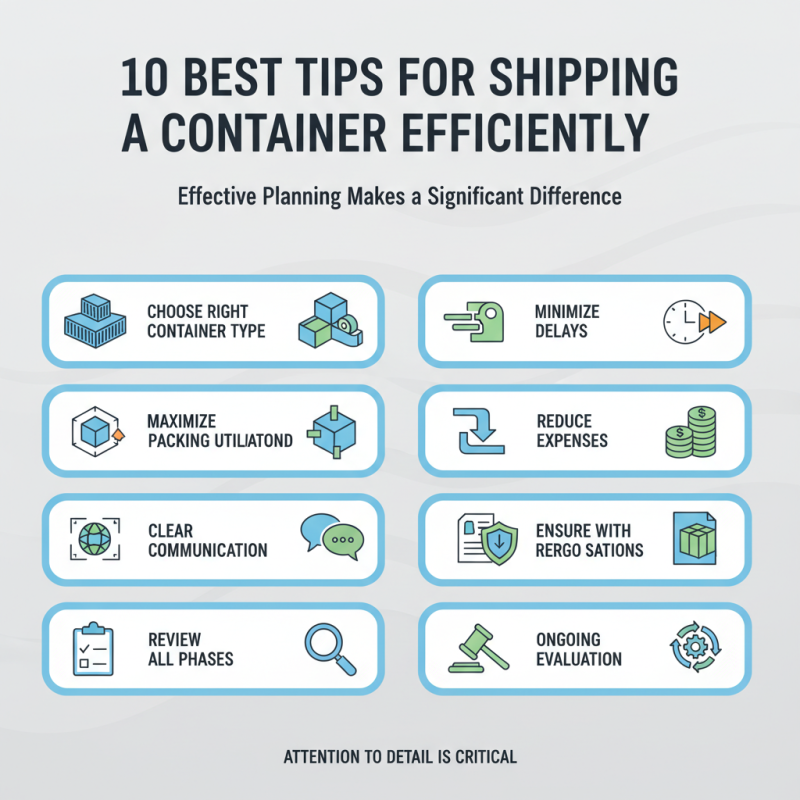
Shipping a container can be a complex task. Effective planning makes a significant difference. Every decision impacts the cost and timelines. Understanding key strategies is critical to enhance efficiency.
An efficient shipping process minimizes delays and reduces expenses. Choosing the right container type matters. It ensures cargo safety and compliance with regulations. The packing method directly affects the shipping costs. Maximizing space is vital to avoid unnecessary charges.
Communication with shipping partners is essential. A clear dialogue helps in troubleshooting potential issues. Reviewing every phase of the shipping process allows for adjustments. Mistakes can lead to extra costs or delays. Striving for efficiency in shipping a container requires attention to detail and ongoing evaluation.
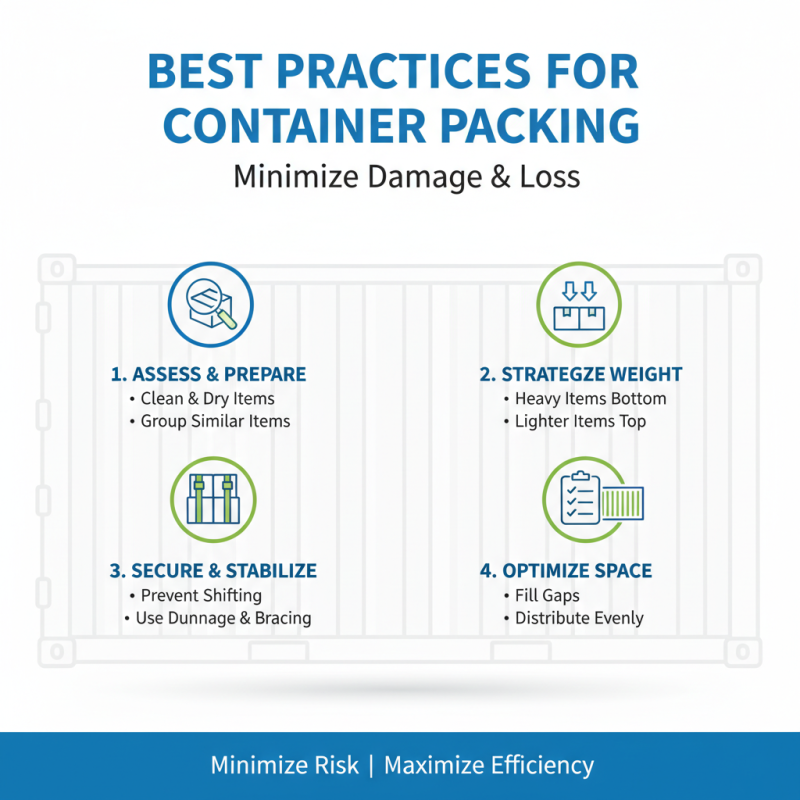
Packing a shipping container requires careful attention to detail. Proper packing minimizes the risk of damage and loss during transit. Start by assessing the items you are shipping. Ensure they are clean and dry before packing. Group similar items together. This prevents shifting during transport. Heavy items should be placed at the bottom. Lighter items can go on top. This keeps the weight distribution even.
Use high-quality packing materials. Bubble wrap, foam, and sturdy boxes help protect your valuables. Fill any gaps with packing material to eliminate movement. Remember, not all materials are created equal. Sometimes, cheaper options can lead to damage. Take the time to choose wisely.
Label every box clearly. This aids in quick identification upon arrival. It reduces the chance of items being misplaced. Double-check that all items are accounted for before sealing the container. Reflect on your packing practices. Are there areas that consistently lead to issues? Improvement is always possible. Cultivating a mindful approach ensures a more secure shipping process.
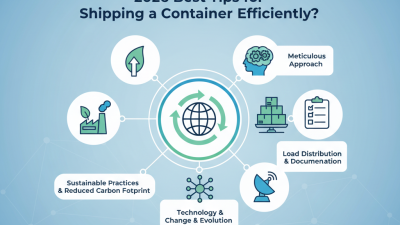
Maximizing space utilization in shipping is crucial for cost efficiency. A study by the World Shipping Council indicates that shipping lines operate on tight margins. Efficient container loading can lead to significant savings. Understanding container capacity can help optimize operations.
One practical tip is to use packing strategies like block stacking. This method allows for more items per container. Additionally, using soft packing materials can fill gaps and maximize space. According to logistics experts, over 25% of container space can go unused, translating to lost revenue.
Another consideration is cargo weight. Ensure your load is balanced to prevent shifting during transit. Proper weight distribution reduces the risk of damage and freight claims. Regularly reviewing shipping patterns can reveal opportunities for improvement. Ultimately, every inch and every pound counts in container shipping.
| Tip Number | Tip Description | Capacity Utilization (%) | Estimated Cost Savings ($) |
|---|---|---|---|
| 1 | Choose the right container size | 85 | 200 |
| 2 | Optimize packing materials | 90 | 150 |
| 3 | Label containers adequately | 75 | 100 |
| 4 | Utilize vertical space | 80 | 180 |
| 5 | Plan routes efficiently | 70 | 250 |
| 6 | Use load planning software | 88 | 210 |
| 7 | Conduct feasibility studies | 76 | 130 |
| 8 | Monitor container conditions | 82 | 160 |
| 9 | Ensure proper weight distribution | 84 | 220 |
| 10 | Stay updated on shipping regulations | 78 | 140 |
Accurate documentation is crucial for efficient container shipping. Proper shipping documents streamline the process and prevent delays. Each shipment requires specific paperwork, including bills of lading and customs declarations. Missing or incorrect documents can lead to costly hold-ups at ports. It’s essential to review each document carefully to ensure accuracy.
In addition to standard paperwork, understanding regional regulations is vital. Different countries have varying requirements for importing and exporting goods. When documentation fails to meet these standards, it can result in fines or confiscation of goods. Shipping professionals must stay updated on these changing regulations to avoid pitfalls. Regular training can help team members understand documentation nuances.
Even experienced shippers can overlook details in documentation. Small errors, such as misspellings or date mismatches, can create significant issues. A thorough cross-checking process can mitigate these risks. Building a culture of attention to detail in documentation practices is beneficial. It promotes reliability and enhances overall shipping efficiency.
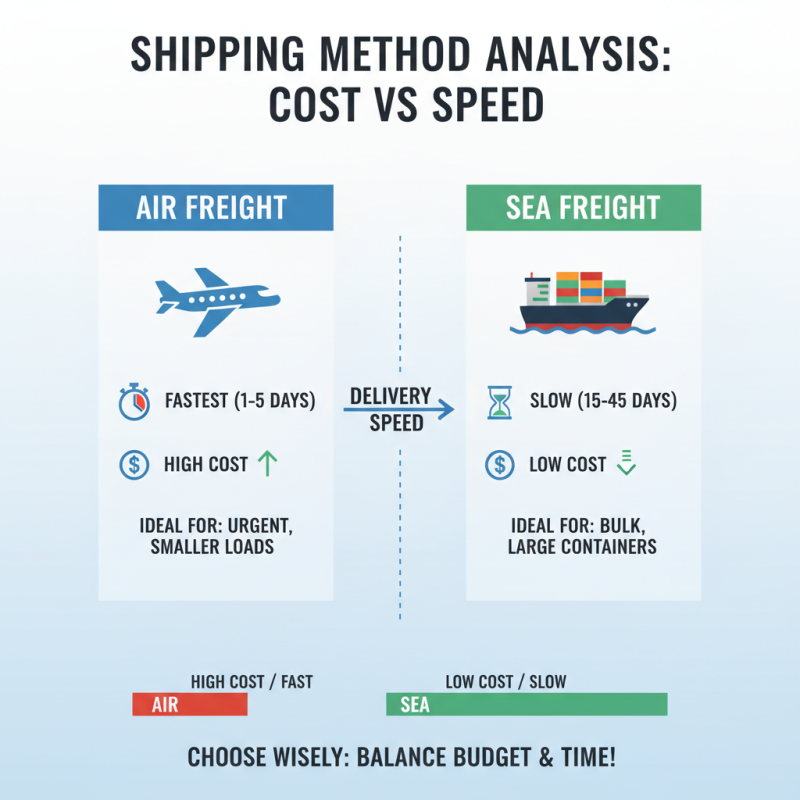
When choosing a shipping method for your container, balancing cost and delivery speed is crucial. Air freight is the fastest option but often comes with high prices. While it might be tempting for urgent shipments, it may not be the best choice for every situation. Sometimes, sea freight is a more economical option, especially for larger containers. However, it can take significantly longer, causing delays that impact overall business operations.
Analyzing your specific needs is essential. If your goods are perishable or time-sensitive, air freight might justify the expense. Consider how much you can save by opting for slower delivery if your timelines are flexible. It’s a gamble: saving money could mean losing clients if delays occur. Additionally, evaluate your supply chain logistics thoroughly. Poor planning can lead to unexpected costs, making your chosen method less effective.
Incorporating real data on shipping times and costs will aid your decision-making. Always seek quotes from multiple providers. Don’t rush into a decision based solely on lower costs; investigate the reliability of the carrier. Understanding these nuances can lead to better outcomes, whether in savings or delivery efficiency.
Port congestion is a growing challenge in global shipping. Delays at major ports disrupt container logistics. Vessels may wait for days before unloading. This inefficiency inflates shipping costs and prolongs delivery times. Companies must adapt to these conditions.
Understanding the factors behind port congestion is crucial. Increased consumer demand has intensified pressure on supply chains. Facilities often struggle to process the high volume of containers. As a result, backups occur, leading to further delays. Inadequate infrastructure also plays a role. Ports may not have the capacity to handle peak times effectively.
Planning and technology can help mitigate these issues. Adopting advanced tracking systems improves visibility throughout the shipping process. Real-time data enables better decision-making. Collaborating with logistics providers helps streamline operations. Yet, implementing these solutions can be challenging and costly. Companies must continuously assess and rethink their strategies to navigate these turbulent waters effectively.
Subscribe to our newsletter for the latest news and exclusive offers.
We hold a long-term view when we build modular rooms taking into consideration your changing needs. Whether it’s shifting your workspace to a new site, redesigning your unit to fit new requirements, or simply clearing the area at the end of the project, our Dismantling & Reassembling teams are pressed into service to get the job done in the quickest possible time and minimum resource wastage.
We understand that every project is unique and therefore has a different set of requirements. That’s why we believe in customizing our solutions to fit individual needs. We are equipped with the right talents, technology, and skillset to offer bespoke modular units, without compromising on turnaround time or quality.
The benefits of choosing Containers ME continues long after the installation of the units as we provide aftersales service for as long as you need. All you have to do is sign the Annual Maintenance Contract (AMC) and enjoy technical support for all the maintenance-related issues. By signing the contract, you can rest assured that a highly professional team of dedicated staff are at your service all year round to attend to your needs.
We specialize in Customized Container Solutions designed to meet diverse needs across the UAE. Our offerings include customized modular containers that cater to various applications, from tailor-made container solutions to bespoke container designs.
Whether you’re looking for personalized container homes or custom modular containers, we have you covered. Our customized container offices provide functional workspaces, while our customized portable containers ensure flexibility on-site. Explore our range of custom container storage units and customized cargo containers to optimize your space.
We also offer custom container leasing and custom container fabrication services, along with customized sea containers designed for secure transport. For specialized needs, our specialized container modifications will help you create the perfect solution for your requirements in both Dubai and the broader UAE.