Blogs

What is a Blind Flange and How to Choose the Right One?

A Blind Flange is an essential component in piping systems. It serves as a seal for pipe ends and prevents fluid flow. Many industries rely on Blind Flanges for various applications. Choosing the right one can be challenging. Different factors need consideration, such as material type, pressure rating, and size.

Understanding the key features of a Blind Flange is crucial. It should effectively handle the system's pressure and temperature. Each application may demand specific materials or designs. Blind Flanges come in different specifications, which adds to the complexity of selection. Mistakes in choosing can lead to system failures.

Knowledge and expertise play a significant role in making the right choices. Consulting with industry professionals can provide valuable insights. It’s important to weigh all options carefully. A small oversight can lead to costly repairs. Always prioritize reliability and safety in your decisions.
What is a Blind Flange and How to Choose the Right One?

What is a Blind Flange: Definition and Purpose in Piping Systems

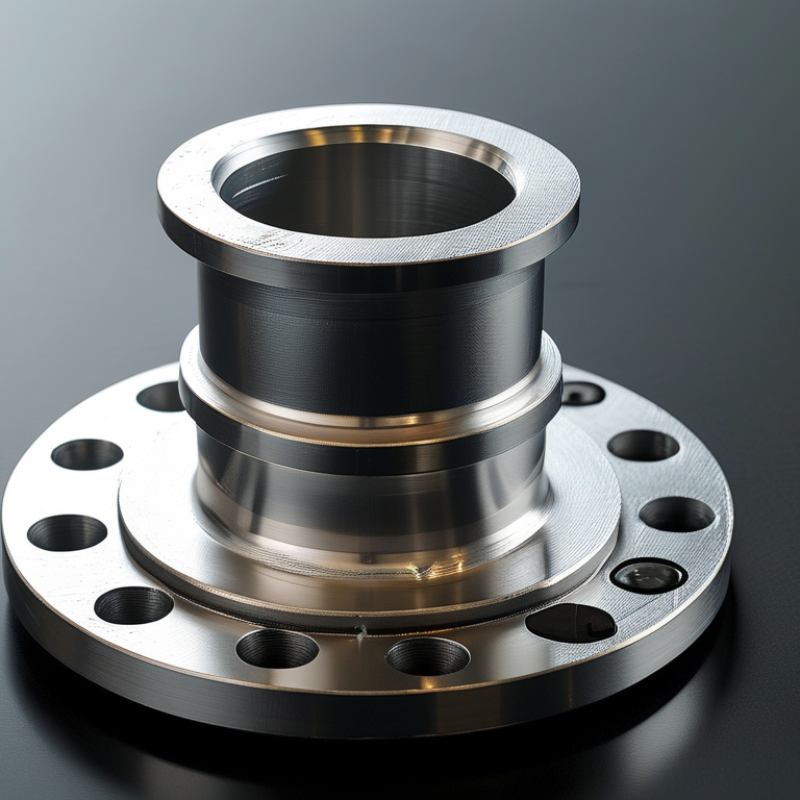
A blind flange is a solid disc used to close the end of a pipe. It serves an essential purpose in piping systems, offering safety, support, and control. By sealing off a pipe, it prevents flow when necessary. This is crucial for maintenance or when a section of the system needs to be isolated. The globe valve market size was estimated at over $6 billion in 2022, indicating a growing need for effective piping solutions.

Selecting the right blind flange requires understanding specifications. Common materials include carbon steel, stainless steel, and PVC. Each serves a unique purpose depending on media and pressure conditions. For instance, stainless steel is preferred in corrosive environments. Various standards, such as ASME and ANSI, govern flange dimensions. It’s vital to ensure compliance with these standards to avoid potential failures.

Yet, even experienced engineers sometimes overlook the importance of accurate measurements. Choosing the wrong size can lead to leaks or system failures. Testing flanges under realistic pressure conditions may help identify flaws. Frequent maintenance checks and inspections are essential to proactively address any issues that may arise.

Types of Blind Flanges: Standard Variations and Material Options

Blind flanges are vital components in piping systems, used to seal off ends of pipes. When choosing the right type, understanding the variations in design and materials is essential. The most common types include raised face, flat face, and ring-type joint flanges. Each type serves a specific purpose, depending on the pressure and temperature of the application. A raised face flange offers more sealing surface than a flat face, making it suitable for high-pressure applications.

Material selection plays a significant role in the performance of blind flanges. Common options include carbon steel, stainless steel, and various alloys. Carbon steel flanges are cost-effective and widely used. However, they may not resist corrosion as well as stainless steel. Stainless steel flanges offer superior durability and are ideal for harsh environments. Considering the application’s needs allows for better choices.

It’s essential to note that selecting a blind flange is not always straightforward. Application specifics can complicate the decision-making process. Users often overlook factors like temperature fluctuations and fluid types. These can dramatically affect material performance and longevity. Ensuring you have the right knowledge and resources will aid in making the best choice for your system.

Key Factors to Consider When Choosing a Blind Flange for Your Project

When selecting a blind flange, key factors are crucial to ensure optimal performance. Material choice is one of the first considerations. Common materials include stainless steel and carbon steel, each offering distinct benefits. Stainless steel resists corrosion effectively, making it suitable for harsh environments. Carbon steel may be more cost-effective but requires protective coatings.

Another important factor is the pressure rating of the flange. It’s essential to match the flange with the system’s pressure requirements to avoid leaks or failures. The size and bolt configuration also matter greatly. A proper fit will prevent misalignment and ensure a secure seal. Sometimes, smaller flanges may seem adequate, but using the right size can prevent future complications.

Don’t overlook the application specifics. Installation practices vary significantly. Some projects may require a blind flange that can be easily disassembled. In contrast, others might benefit from a more permanent solution. Reflecting on the project's unique needs can lead to better decision-making. Being mindful of these factors helps in achieving reliability in piping systems while avoiding costly mistakes.

Industry Standards and Specifications for Blind Flanges (ASME, ASTM)

When choosing a blind flange, understanding industry standards is crucial. Many industries rely on ASME and ASTM specifications to ensure safety and compatibility. The ASME standards focus on pressure, temperature, and material properties. ASTM specifications emphasize material quality, ensuring that flanges perform as needed in demanding environments.

Tips: Always verify the specifications before procurement. Not all flanges are created alike. Proper matching of standards can prevent costly mistakes later.

Material selection also plays a vital role. Carbon steel, stainless steel, and alloy materials each have unique properties. Consider the operating environment, including temperature and corrosion factors. This choice impacts the flange's lifespan and reliability.

Tips: Consult with engineers or experts. They can provide insights based on real-world applications. Seeking advice can save time and resources.

What is a Blind Flange and How to Choose the Right One?

Dimension ASME Specification Material Pressure Rating Common Applications
1/2" ASME B16.5 Carbon Steel 150# Piping Systems
3/4" ASME B16.5 Stainless Steel 300# High-Pressure Applications
1" ASME B16.5 Alloy Steel 600# Oil & Gas Industry
1.5" ASME B16.5 PVC 150# Water Treatment Plants
2" ASME B16.5 Ductile Iron 150# Wastewater Systems

Common Applications of Blind Flanges in Industrial Settings and Their Benefits

Blind flanges are crucial components in various industrial systems. They serve to close off piping systems and prevent leakage. This is particularly important in industries such as oil and gas, chemicals, and water treatment. According to industry reports, the global market for blind flanges is expected to grow at a CAGR of 4.5% over the next five years. This growth indicates their increasing importance in maintaining system integrity.

In industrial applications, blind flanges are used for maintenance access, pressure testing, and blocking unused openings. Their use in high-pressure and high-temperature situations is notable. Reports indicate that proper installation can reduce the risk of leaks by up to 75%. However, the selection of the right blind flange depends on factors such as pressure rating, material type, and temperature range. Misjudging these factors can lead to system failures.

Consideration of the specific operating environment is key. For instance, stainless steel blind flanges are preferred for corrosive environments. On the other hand, carbon steel may suffice for less critical applications. Such decisions require a deep understanding of the system's conditions. Ideally, consulting with certified professionals enhances reliability. Balancing cost and quality remains challenging for many operators, leading to ongoing discussions in industry forums.

Usage of Blind Flanges in Industrial Applications

Plug & Play Installation

Our installation services are top-notch, delivering modular systems for any application on time in plug & play condition. We leave nothing for you to figure out, set up, or fix. All you’ve to do is just step in, and get going with your business.

Dismantling & Reassembling

We hold a long-term view when we build modular rooms taking into consideration your changing needs. Whether it’s shifting your workspace to a new site, redesigning your unit to fit new requirements, or simply clearing the area at the end of the project, our Dismantling & Reassembling teams are pressed into service to get the job done in the quickest possible time and minimum resource wastage.

Interior Designing

Our interior designs combine both functional and aesthetic aspects to provide you with physical and emotional comfort. We ask you for your preferences and give the best possible solutions aligned to your tastes. Our units are built to be modern, stylish, and elegant.

Bespoke Solutions

We understand that every project is unique and therefore has a different set of requirements. That’s why we believe in customizing our solutions to fit individual needs. We are equipped with the right talents, technology, and skillset to offer bespoke modular units, without compromising on turnaround time or quality.

Aftersales Service

The benefits of choosing Containers ME continues long after the installation of the units as we provide aftersales service for as long as you need. All you have to do is sign the Annual Maintenance Contract (AMC) and enjoy technical support for all the maintenance-related issues. By signing the contract, you can rest assured that a highly professional team of dedicated staff are at your service all year round to attend to your needs.

Customized Container Solutions

We specialize in Customized Container Solutions designed to meet diverse needs across the UAE. Our offerings include customized modular containers that cater to various applications, from tailor-made container solutions to bespoke container designs.

Whether you’re looking for personalized container homes or custom modular containers, we have you covered. Our customized container offices provide functional workspaces, while our customized portable containers ensure flexibility on-site. Explore our range of custom container storage units and customized cargo containers to optimize your space.

We also offer custom container leasing and custom container fabrication services, along with customized sea containers designed for secure transport. For specialized needs, our specialized container modifications will help you create the perfect solution for your requirements in both Dubai and the broader UAE.

Get a quote

Get a quote