The demand for vacuum seal bags has surged in recent years. According to a report by MarketsandMarkets, the global vacuum packaging market is expected to reach $41 billion by 2026. This growth highlights the increasing importance of efficient shipping solutions. Notably, vacuum seal bags play a crucial role in this sector. They optimize space and reduce shipping costs significantly.
A key advantage of vacuum seal bags is their ability to preserve product quality. For instance, the Food and Drug Administration (FDA) recognizes vacuum sealing as an effective method for extending the shelf life of food products. However, challenges remain. Not all vacuum seal bags provide the same level of protection. Some may puncture easily or fail to create an adequate seal.
The complexities of global shipping also add to the demand for reliable vacuum seal bags. Contamination can occur during transit, leading to spoilage. This reality calls for rigorous testing and quality assurance in the manufacturing process. As companies strive to meet international shipping standards, there is a critical need for durable, high-performance vacuum seal bags. Addressing these concerns will be vital for future growth in the market.
The export industry in China has seen a significant shift with the rising popularity of vacuum seal bags. These innovative solutions not only maximize space but also enhance the longevity of products during transit. As businesses face increasing pressure to reduce costs, vacuum seal bags become essential for efficient global shipping.
Using vacuum seal bags allows for more organized packaging. They keep products fresh and protected from moisture and contamination. This is crucial for maintaining quality and ensuring customer satisfaction. As exporters begin to adopt this technology, they become more competitive in the global market.
Tips: Consider the size and weight of the products when choosing vacuum seal bags. This can impact shipping costs significantly. Selecting high-quality bags is also vital to avoid breaks during transportation. Experiment with different sealing methods to find what works best for your products. Reflecting on your current packaging efficiency can lead to improved practices and better outcomes.

Vacuum seal bags are essential for efficient global shipping. They minimize air intake, ensuring products remain fresh and undamaged during transit. Reports suggest that proper packaging can reduce shipping expenses by up to 30%. High-quality vacuum seal bags are designed to withstand varying temperatures and humidity levels, which can be critical for sensitive goods.
Durability is crucial. The best vacuum seal bags resist punctures and tears, providing additional protection. According to a study, strong seals can extend shelf life by 50-200%. Many bags also come with multi-layer technology, enhancing barrier properties. This feature can prevent spoilage and waste, ultimately boosting customer satisfaction.
However, not all vacuum seal bags deliver the same performance. Variations in material and manufacturing processes can lead to inconsistent results. Importers should pay attention to certifications and testing standards. Additionally, the seal strength must be verified for specific shipping conditions. This awareness can prevent costly mishaps in the supply chain.
The demand for vacuum seal bags has surged in global logistics. This growth is due to their ability to reduce shipping costs. By minimizing volume, these bags allow for more efficient storage and transport. This efficiency translates into greener shipping practices, as less fuel is needed for transport.
Currently, many logistics companies are exploring vacuum seal bags to enhance their operations. These bags prove valuable by preserving items while saving space. However, challenges remain, particularly related to durability and material quality. Some bags may not withstand varying shipping conditions, leading to damaged goods.
Market statistics show an upward trend in this sector. A growing number of companies recognize the benefits of vacuum sealing. Yet, the inconsistent quality across products can pose risks. Stakeholders need to examine these factors closely to ensure reliable shipping experiences. Better understanding and innovation in materials can mitigate these issues over time.
The environmental impact of vacuum packing is a pressing topic today. Traditional vacuum seal bags often use non-biodegradable materials, contributing to landfill waste. According to industry reports, around 300 million tons of plastic are produced annually. A significant percentage ends up in oceans, affecting marine life.
In response, the market is exploring biodegradable alternatives. These options are derived from plant-based materials, which can decompose within months under proper conditions. Research shows that biodegradable packaging can reduce plastic waste by up to 60%. Consumers are becoming increasingly aware of their choices, demanding greener solutions. However, challenges persist. Biodegradable bags may be less durable and more expensive than their conventional counterparts.
There's no one-size-fits-all solution. Many businesses still hesitate to switch. The effectiveness of biodegradable materials in real-world shipping scenarios needs further study. Innovators in the field must address these concerns to meet consumer expectations while minimizing environmental impact. The evolving landscape of packaging demands balance between efficiency and sustainability.
| Material Type | Biodegradable | Thickness (microns) | Weight Capacity (kg) | Suitable For |
|---|---|---|---|---|
| PLA (Polylactic Acid) | Yes | 80 | 3 | Food Items |
| PBAT (Polybutylene Adipate Terephthalate) | Yes | 100 | 5 | Organic Produce |
| PE (Polyethylene) | No | 75 | 4 | Various Goods |
| Bio-Based Polyethylene | Yes | 90 | 6 | Dairy Products |
| Starch-Based Plastics | Yes | 70 | 2 | Snack Packs |
In the global shipping industry, packaging efficiency is crucial. Vacuum seal bags are gaining attention for their cost-effectiveness compared to traditional methods. According to a recent market analysis, vacuum seal technology can reduce shipping volume by up to 60%. This reduced volume translates to lower shipping costs. Traditional packaging methods, while effective, often add excess weight, leading to increased freight expenses.
Vacuum seal bags excel at preserving product freshness. They extend the shelf life of perishable items. A report by the Packaging Association indicates that goods packed this way suffer 30% less spoilage during transport. However, not all vacuum seal bags are created equal. The initial investment in high-quality sealers can be significant. Companies must balance long-term savings with upfront costs.
Tip: Consider purchasing vacuum seal bags in bulk to maximize savings. This not only reduces costs per unit but also ensures consistent supply. Additionally, it’s essential to assess your specific shipping needs. While vacuum seal bags offer several advantages, their effectiveness can diminish if not properly used. Always invest time in training staff on proper sealing techniques to avoid wasted resources. Make informed choices, and weigh the pros and cons of packaging options carefully.
Subscribe to our newsletter for the latest news and exclusive offers.
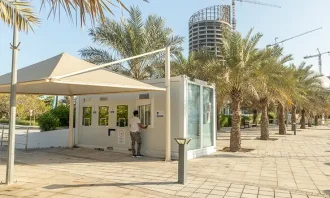
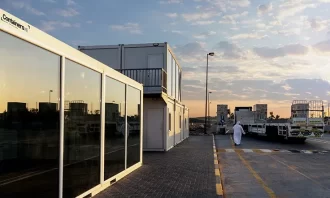
We hold a long-term view when we build modular rooms taking into consideration your changing needs. Whether it’s shifting your workspace to a new site, redesigning your unit to fit new requirements, or simply clearing the area at the end of the project, our Dismantling & Reassembling teams are pressed into service to get the job done in the quickest possible time and minimum resource wastage.
We understand that every project is unique and therefore has a different set of requirements. That’s why we believe in customizing our solutions to fit individual needs. We are equipped with the right talents, technology, and skillset to offer bespoke modular units, without compromising on turnaround time or quality.
The benefits of choosing Containers ME continues long after the installation of the units as we provide aftersales service for as long as you need. All you have to do is sign the Annual Maintenance Contract (AMC) and enjoy technical support for all the maintenance-related issues. By signing the contract, you can rest assured that a highly professional team of dedicated staff are at your service all year round to attend to your needs.
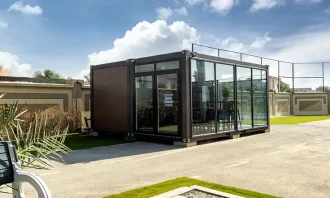
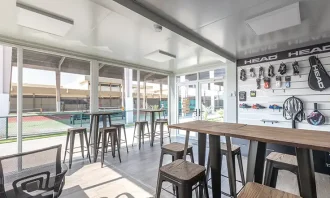
We specialize in Customized Container Solutions designed to meet diverse needs across the UAE. Our offerings include customized modular containers that cater to various applications, from tailor-made container solutions to bespoke container designs.
Whether you’re looking for personalized container homes or custom modular containers, we have you covered. Our customized container offices provide functional workspaces, while our customized portable containers ensure flexibility on-site. Explore our range of custom container storage units and customized cargo containers to optimize your space.
We also offer custom container leasing and custom container fabrication services, along with customized sea containers designed for secure transport. For specialized needs, our specialized container modifications will help you create the perfect solution for your requirements in both Dubai and the broader UAE.