Blogs

Top Tips for Choosing Insulated Panels for Your Projects?

When selecting insulated panels for construction projects, decisions can be overwhelming. Industry expert John Smith, a leading consultant in thermal insulation, emphasizes, "Choosing the right insulated panels can drastically impact energy efficiency." In recent years, insulated panels have transformed building standards, providing enhanced thermal performance and structural integrity.

Understanding the nuances of insulation is vital. Not all insulated panels are created equal. Factors such as material type, R-value, and installation methods significantly influence performance. Many overlook these details, leading to less efficient buildings and higher energy costs.

Moreover, the marketplace is diverse. Some products may fit niche needs but lack broader application. It's essential to weigh options carefully. A misstep in selection can result in costly mistakes. As Smith reminds us, proper research will ensure that the insulated panels chosen meet both functionality and aesthetic demands. The right choice can elevate a project from ordinary to exceptional.
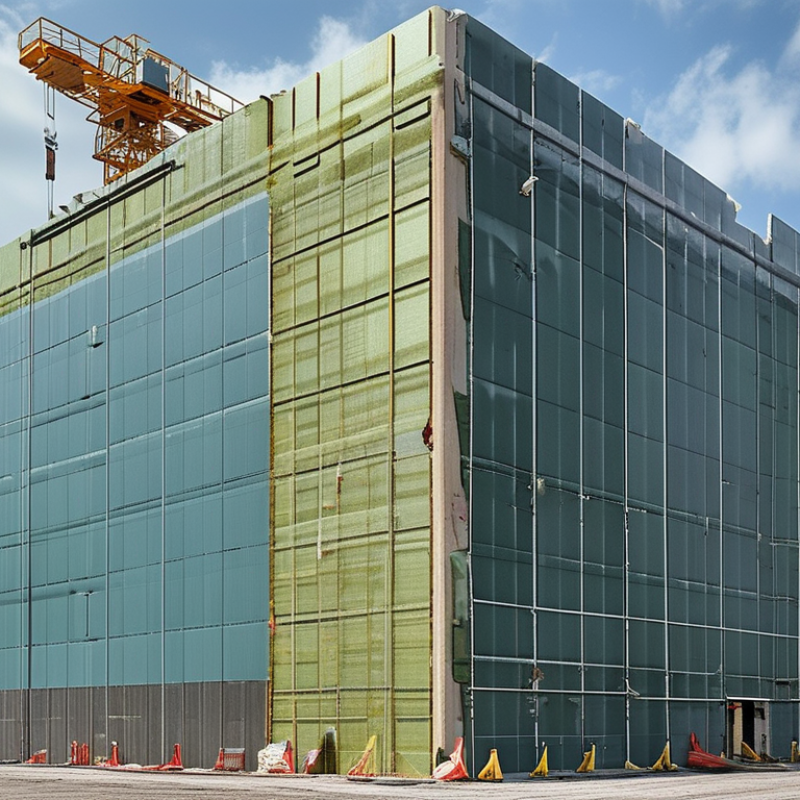
Top Tips for Choosing Insulated Panels for Your Projects?

Understanding Insulated Panels: Types and Features

Insulated panels are vital for various construction projects. They offer thermal efficiency, structural strength, and design versatility. Understanding their types can help in making informed choices. The common types include polyurethane, polystyrene, and mineral wool. Each type has distinct features and applications.

When selecting insulated panels, consider R-value. It measures thermal resistance. A higher R-value means better insulation performance. For colder climates, panels with higher R-values are essential. Durability is also key. Panels must withstand harsh weather and impacts. Review performance ratings before purchase.

Another tip is to consider the panel's weight. Lightweight panels are easier to handle. However, they still need to meet insulation requirements. Installation time and labor cost can be affected by weight. Always seek reliable sources for data on insulation performance. Doing so enhances project outcomes.
Factors to Consider for Thermal Performance in Insulated Panels

When choosing insulated panels, thermal performance is a key factor. Different materials can affect insulation efficiency significantly. Consider the R-value, which measures thermal resistance. Higher R-values indicate better insulation. This is essential for energy savings and comfort.

Look at the panel thickness too. Thicker panels usually provide better insulation. However, thick panels can reduce usable space in a project. It's important to balance thermal efficiency with practical design needs. Lightweight materials can be advantageous but may compromise insulation.

Air and moisture barriers impact thermal performance as well. Ensure proper installation to avoid thermal bridging. This can lead to unwanted heat loss or gain. Check for any vulnerabilities in the design. Each decision carries weight, affecting overall energy efficiency. Reflecting on these factors will lead to more informed choices.

Evaluating the Cost-Effectiveness of Insulated Panels for Projects

When considering insulated panels for your project, cost-effectiveness is crucial. Studies show that insulated panels significantly reduce energy costs. For instance, buildings with insulated panels can achieve energy savings of up to 40%. This reduction directly impacts the overall budget.

In addition to energy savings, the durability of insulated panels should not be overlooked. While upfront costs may seem high, their long lifespan can lead to lower maintenance expenses. A report by the American Institute of Architects indicates that well-chosen insulated panels can last over 30 years. However, one must evaluate specific project needs. Not all panels offer the same performance or insulation values.

Moreover, local climate and material availability can affect final costs. It's important to research the insulation value needed for your region. In areas with extreme temperatures, opting for higher-rated panels might be necessary. This can lead to greater initial investment but can yield substantial savings over time. Balancing these factors requires careful planning and expert consultation.

Cost-Effectiveness of Insulated Panels for Construction Projects

This chart illustrates the cost-effectiveness rating of various factors related to insulated panels in construction projects. The ratings are based on a scale from 1 to 10, where higher values indicate better cost-effectiveness.

Sustainability and Environmental Impacts of Insulated Panel Choices

When selecting insulated panels, sustainability should be a primary concern. Insulated panels significantly impact energy consumption during their lifecycle. According to the International Energy Agency, buildings account for almost 40% of global energy usage. Choosing the right panels can lower this figure. High-quality insulated panels can reduce heating and cooling costs, leading to lower emissions.

The materials used in these panels also have environmental implications. For instance, panels made from recyclable materials promote a circular economy, reducing waste. Research shows that using eco-friendly materials can cut carbon footprints by up to 30%. However, not all panels marketed as "green" fulfill these promises. Conducting a life-cycle assessment (LCA) can reveal the true environmental cost.

End-of-life disposal is another crucial factor. Many insulated panels are not biodegradable. Proper recycling channels must be established to prevent landfill overflow. However, only 15% of construction waste is currently recycled, highlighting the need for improved recycling practices. It's essential to choose panels with clear recycling guidelines to minimize environmental harm.

Installation and Maintenance Tips for Long-Lasting Insulated Panels

When selecting insulated panels, installation and maintenance are critical for long-lasting results. Proper installation ensures energy efficiency that can lead to cost savings. According to a report from the International Energy Agency, energy-efficient buildings can save up to 30% on heating and cooling costs. This highlights the importance of proper panel placement and sealing to achieve these savings.

During installation, it's essential to check for gaps or misalignments. Even a small gap can lead to energy loss. Regular maintenance checks can identify issues early on. Studies show that poorly maintained panels can lose up to 15% of their insulation effectiveness over time. Emphasizing the significance of avoiding common pitfalls, such as neglecting sealant integrity, can extend the lifespan of your panels.

Choosing the right insulation materials is essential. Consider conducting thermal imaging inspections to find hidden issues. Research from the Building Research Establishment indicates that many property owners overlook these diagnostics. They can miss vital maintenance opportunities that prevent long-term damage. Prioritizing careful maintenance can make a significant difference in the performance of insulated panels.

Plug & Play Installation

Our installation services are top-notch, delivering modular systems for any application on time in plug & play condition. We leave nothing for you to figure out, set up, or fix. All you’ve to do is just step in, and get going with your business.

Dismantling & Reassembling

We hold a long-term view when we build modular rooms taking into consideration your changing needs. Whether it’s shifting your workspace to a new site, redesigning your unit to fit new requirements, or simply clearing the area at the end of the project, our Dismantling & Reassembling teams are pressed into service to get the job done in the quickest possible time and minimum resource wastage.

Interior Designing

Our interior designs combine both functional and aesthetic aspects to provide you with physical and emotional comfort. We ask you for your preferences and give the best possible solutions aligned to your tastes. Our units are built to be modern, stylish, and elegant.

Bespoke Solutions

We understand that every project is unique and therefore has a different set of requirements. That’s why we believe in customizing our solutions to fit individual needs. We are equipped with the right talents, technology, and skillset to offer bespoke modular units, without compromising on turnaround time or quality.

Aftersales Service

The benefits of choosing Containers ME continues long after the installation of the units as we provide aftersales service for as long as you need. All you have to do is sign the Annual Maintenance Contract (AMC) and enjoy technical support for all the maintenance-related issues. By signing the contract, you can rest assured that a highly professional team of dedicated staff are at your service all year round to attend to your needs.

Customized Container Solutions

We specialize in Customized Container Solutions designed to meet diverse needs across the UAE. Our offerings include customized modular containers that cater to various applications, from tailor-made container solutions to bespoke container designs.

Whether you’re looking for personalized container homes or custom modular containers, we have you covered. Our customized container offices provide functional workspaces, while our customized portable containers ensure flexibility on-site. Explore our range of custom container storage units and customized cargo containers to optimize your space.

We also offer custom container leasing and custom container fabrication services, along with customized sea containers designed for secure transport. For specialized needs, our specialized container modifications will help you create the perfect solution for your requirements in both Dubai and the broader UAE.

Get a quote

Get a quote