Blogs

How to Choose the Best Incinerator for Your Needs?

Choosing the right incinerator is crucial for effective waste management. The global incinerator market is expected to reach $24 billion by 2025, driven by stricter regulations on waste disposal. Expert Dr. Emily Johnson emphasizes, "A suitable incinerator not only reduces waste but also minimizes environmental impact."

Selecting the best incinerator involves careful consideration of various factors. It's not just about capacity; efficiency and emissions are key. Many facilities overlook the importance of maintaining compliance with local regulations, leading to potential fines or operational disruptions. A poorly chosen incinerator can result in costly mistakes and inefficiencies.

Additionally, understanding the technological advancements available is essential. Failing to do so could mean investing in outdated models, which may not meet current standards. The process can seem overwhelming, but proper research is vital. Identifying a trusted supplier and seeking expert advice can guide you in choosing an incinerator tailored to your specific needs. This decision will have lasting effects on both operational efficiency and environmental sustainability.
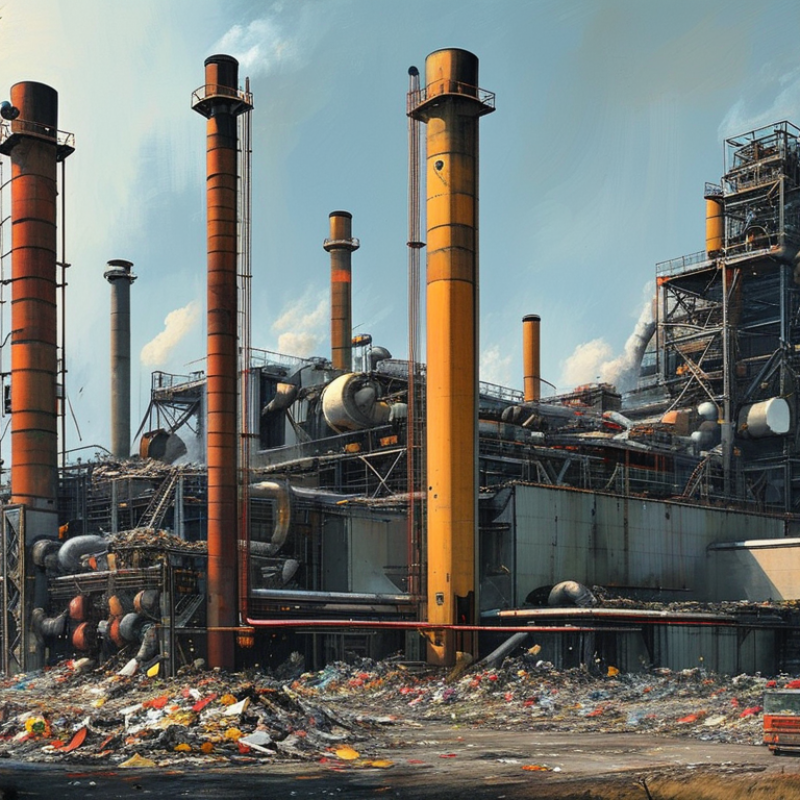
How to Choose the Best Incinerator for Your Needs?

Understanding Different Types of Incinerators and Their Applications

When selecting an incinerator, it's crucial to grasp the various types and their uses. Incinerators can generally be categorized into multiple types, including batching and continuous feed systems. Batching incinerators process waste in groups. They are ideal for small volumes and specialized applications. Continuous systems, by contrast, are designed for larger, ongoing waste streams. This choice can significantly impact efficiency and emissions.

Different materials require distinct incineration approaches. Hazardous waste incinerators operate at high temperatures, allowing for the safe destruction of toxic materials. Meanwhile, medical waste incinerators follow strict regulations. They ensure that pathogens are effectively neutralized. Understanding the specific requirements of each type helps in choosing the right unit.

Sometimes, the decision-making process may feel overwhelming. Factors like size, fuel type, and environmental regulations often complicate matters. Not every incinerator suits every situation, leading to potential miscalculations. Therefore, careful evaluation and possibly seeking expert advice could be beneficial. Taking time to research and understand these nuances may prevent future mishaps and ensure regulatory compliance.
Incinerator Types and Their Applications

Assessing Your Waste Management Needs and Requirements

Choosing the right incinerator involves assessing your waste management needs. Different facilities have unique requirements based on the type of waste generated. Understanding these specifics is crucial. Consider the volume of waste you produce. Is it small-scale or large-scale? A more significant output might necessitate a larger, more advanced incinerator.

Evaluate the types of materials you need to incinerate. Not all units can handle hazardous or medical waste. Ensure the chosen incinerator meets local regulations for safety and environmental impact. Consulting with waste management experts can provide clarity. Their insights are valuable in making informed decisions.

**Tips:** Identify your waste type early. Look for features like efficiency and emissions control. Don’t overlook maintenance requirements. Regular upkeep ensures long-term functionality, which can be overlooked. Choosing a unit that fits your unique needs can prevent issues later. Reflect on your choices as your waste volume may fluctuate over time.

How to Choose the Best Incinerator for Your Needs?

Incinerator Type Waste Capacity (kg/hour) Energy Efficiency (%) Emission Standards Material of Construction Price Range ($)
Small Scale 50 80 ISO 14001 Stainless Steel 5,000 - 10,000
Medium Scale 150 85 EU Directive 2010/75/EU Carbon Steel 10,000 - 20,000
Large Scale 300 90 EPA Standards Alloy Steel 20,000 - 50,000
Industrial 500 95 Dioxins and Furans Regulations Refractory Materials 50,000 - 100,000

Evaluating Key Features of Incinerators: Size, Capacity, and Efficiency

When selecting an incinerator, considering size and capacity is crucial. A smaller incinerator may suit home waste, while larger models are necessary for commercial waste. Optimal capacity ensures efficient waste management without the need for frequent emptying. According to a report by the U.S. Environmental Protection Agency, incinerators can significantly reduce waste volume, achieving reductions of up to 90%.

Efficiency is another critical factor. It's important to choose incinerators with advanced combustion technology. These systems utilize less fuel and produce fewer emissions. The combustion temperature plays a vital role in efficiency. The U.S. Department of Energy advises that incinerators operating at higher temperatures improve ash quality and lower pollutants released into the atmosphere.

Tips: Assess your waste type. Consider what materials you will incinerate. Different waste types may require distinct operating conditions. Regular maintenance is key to prolonged efficiency. Check and replace filters routinely to ensure optimal air quality. Note that not all incinerators are perfect; some may struggle with specific waste types, requiring adjustments in operation or additional handling solutions.

Considering Regulatory Compliance and Environmental Impact

When choosing an incinerator, regulatory compliance is essential. Many regions have strict rules governing emissions and waste processing. Understanding local regulations can help you avoid fines and legal issues. Ignoring these rules can lead to environmental harm and community backlash.


Environmental impact is another critical factor. Some incinerators produce harmful by-products. Assessing the emissions, ash residue, and energy efficiency is wise. This knowledge can guide your decision. Consider how the incinerator will affect air quality. Local ecosystems often suffer from improper waste management practices.


It’s important to reflect on the balance between waste disposal needs and environmental responsibility. Many incineration choices come with trade-offs. Sometimes, the most affordable option may not be the best for the environment. Weighing these factors leads to a more informed choice. Ultimately, it’s about aligning your needs with sustainable practices.

Budgeting for Purchase and Maintenance of an Incinerator

When budgeting for an incinerator, consider both the initial purchase and ongoing maintenance costs. The initial price can vary widely based on size and features. Smaller models are generally less expensive but may not suit larger waste needs. Evaluate your waste management requirements to select an appropriate unit.


Maintenance costs are crucial for long-term budgeting. Regular servicing is necessary to ensure optimal operation. Factor in costs for parts and potential repairs. Neglecting maintenance can lead to costly breakdowns. It's wise to set aside a budget for unexpected issues.


Also, consider operational expenses like fuel or electricity. These can add up and impact your overall budget. Research local regulations as they may affect costs. Assessing your overall financial commitment can make the buying process smoother. Know your limits, and choose a model that balances quality and cost.

Plug & Play Installation

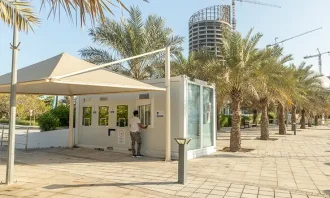
Our installation services are top-notch, delivering modular systems for any application on time in plug & play condition. We leave nothing for you to figure out, set up, or fix. All you’ve to do is just step in, and get going with your business.

Dismantling & Reassembling

We hold a long-term view when we build modular rooms taking into consideration your changing needs. Whether it’s shifting your workspace to a new site, redesigning your unit to fit new requirements, or simply clearing the area at the end of the project, our Dismantling & Reassembling teams are pressed into service to get the job done in the quickest possible time and minimum resource wastage.

Interior Designing

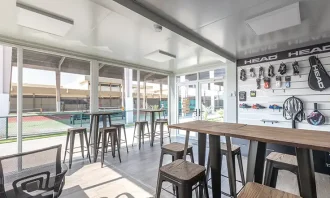
Our interior designs combine both functional and aesthetic aspects to provide you with physical and emotional comfort. We ask you for your preferences and give the best possible solutions aligned to your tastes. Our units are built to be modern, stylish, and elegant.

Bespoke Solutions

We understand that every project is unique and therefore has a different set of requirements. That’s why we believe in customizing our solutions to fit individual needs. We are equipped with the right talents, technology, and skillset to offer bespoke modular units, without compromising on turnaround time or quality.

Aftersales Service

The benefits of choosing Containers ME continues long after the installation of the units as we provide aftersales service for as long as you need. All you have to do is sign the Annual Maintenance Contract (AMC) and enjoy technical support for all the maintenance-related issues. By signing the contract, you can rest assured that a highly professional team of dedicated staff are at your service all year round to attend to your needs.

Customized Container Solutions

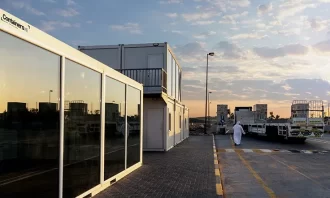
We specialize in Customized Container Solutions designed to meet diverse needs across the UAE. Our offerings include customized modular containers that cater to various applications, from tailor-made container solutions to bespoke container designs.

Whether you’re looking for personalized container homes or custom modular containers, we have you covered. Our customized container offices provide functional workspaces, while our customized portable containers ensure flexibility on-site. Explore our range of custom container storage units and customized cargo containers to optimize your space.

We also offer custom container leasing and custom container fabrication services, along with customized sea containers designed for secure transport. For specialized needs, our specialized container modifications will help you create the perfect solution for your requirements in both Dubai and the broader UAE.

Get a quote

Get a quote