Blogs

How to Choose the Best Wooden Plywood for Your Projects?

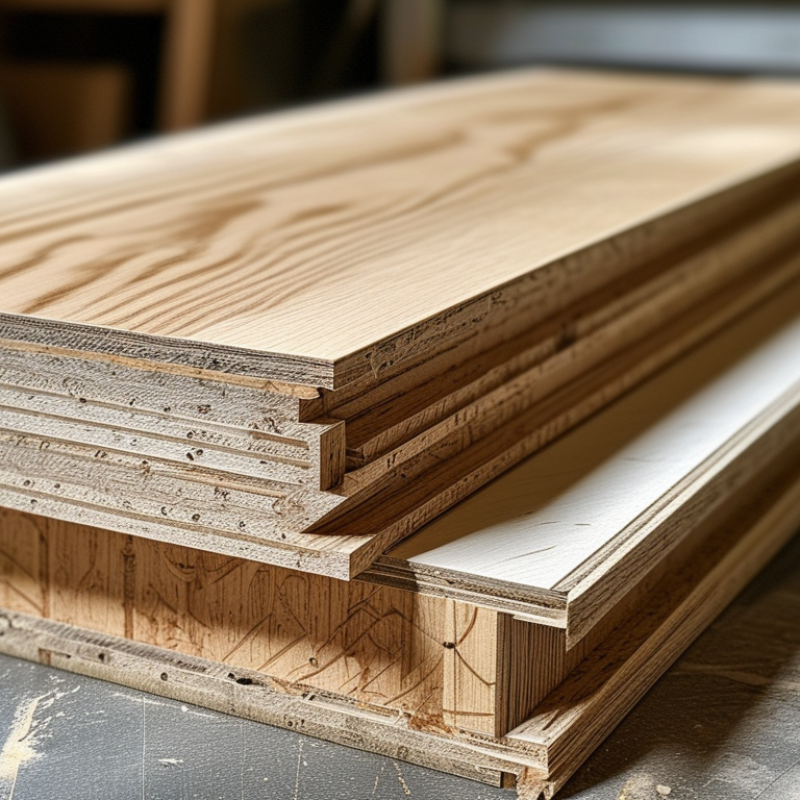
Choosing the right wooden plywood for your projects can be daunting. According to industry expert John Smith, "Quality wooden plywood can make or break your design." With various options available, it's essential to understand what works best for your specific needs.

Wooden plywood offers versatility, strength, and aesthetics. It is widely used in furniture making, cabinetry, and construction. However, not all plywood is created equal. Different types vary in quality, grade, and sustainability. A flawed choice can lead to structural issues or a lack of durability.

It's crucial to consider factors like thickness, finish, and weight capacity. You may encounter uncertainty when assessing materials. Researching suppliers and seeking expert opinions can guide your decision. Ultimately, your choice should reflect both functionality and creativity in your projects.
How to Choose the Best Wooden Plywood for Your Projects?

Factors to Consider When Choosing Wooden Plywood

When selecting wooden plywood, there are several important factors to keep in mind. The type of wood is crucial. Different woods have varying strengths and densities. For projects needing durability, consider hardwood options. They may be heavier but offer great stability. Softwoods, while lighter, may not withstand heavy loads as well.

The thickness of the plywood also matters. Thicker sheets tend to be stronger and can support more weight. However, they can be more challenging to work with and require more effort to cut. Pay attention to the grade of plywood, as this affects its appearance and performance. Higher grades often have fewer knots and defects. But, remember that higher grades come with a higher price tag.

Moisture resistance is another vital factor, especially for projects in humid environments. Affected wood can warp or delaminate over time. Consider the intended use of the plywood. Will it be hidden or exposed? This can influence your choice. Be open to experimenting with different types and grades, as this can lead to unexpected discoveries and results in your craft.


Types of Plywood and Their Suitability for Different Projects

When choosing plywood for your projects, understanding the different types is crucial. Softwood plywood is popular for general construction due to its strength and versatility. It consists of layers of woods like pine. The International Wood Products Association (IWPA) states that softwood plywood accounts for about 60% of the plywood market. It works well for furniture, cabinets, and structural components.

Hardwood plywood, made from fine woods such as oak or maple, is best for aesthetically demanding projects. It typically features a more attractive grain and superior durability. Industry reports reveal that hardwood plywood represents only 15% of the total plywood used in construction. However, its higher price points are justified in applications where appearance is paramount, such as in high-end furniture or cabinetry.

For outdoor projects, exterior-grade plywood is the ideal choice. It's treated to resist moisture and fungal growth, but this does not mean it’s impervious to damage. Over time, it may still warp or delaminate if not cared for properly. Reflection on these factors is essential. Plywood grades differ in strength and finish, impacting performance. Make informed decisions based on your specific needs and project requirements.

Understanding Plywood Grades and Their Importance

When choosing plywood for your projects, understanding the grades is crucial. Plywood is categorized into different grades based on its quality and intended use. For instance, Grade A is the highest quality, featuring a smooth surface with minimal imperfections. It's perfect for furniture and cabinetry. On the other hand, Grade B may contain some knots and patches, making it suitable for structural work.

The importance of grade extends to durability. Higher-grade plywood can withstand moisture and heavy loads better than lower grades. If you are working on a project that requires longevity, the investment in a higher grade is worth considering. However, not every project needs top-grade materials. For temporary structures or hidden areas, using lower grades can be acceptable.

Understanding these grades can be challenging. It’s easy to overlook how a minor flaw can affect your project. For example, using Grade C in visible areas might lead to dissatisfaction later. Assessing your project's needs and matching them with the appropriate plywood grade is vital. Choosing wisely can enhance your work’s overall quality and appearance.

Essential Tools for Working with Wooden Plywood

When working with wooden plywood, having the right tools is crucial. A quality circular saw is one of the essential tools for cutting plywood sheets accurately. According to industry reports, using a blade with fine teeth can minimize tear-out, providing cleaner cuts. A good saw ensures precise dimensions for your project. For small tasks, a jigsaw can also be handy for making intricate cuts.

Another important tool is a reliable measuring tape. Precision is key in woodworking. The National Hardwood Lumber Association emphasizes that even small measurement errors can lead to significant issues. A sturdy tape can help avoid these mistakes. Beyond measuring tools, clamps are vital. They hold pieces securely while you work, preventing shifting and misalignment.

Sanding tools should not be overlooked. Both manual sanders and power sanders can enhance the finish of your plywood. They help smooth rough edges and surfaces. Regular feedback from woodworking forums highlights that achieving the right finish is often a trial-and-error process. You may need to experiment to find the right sanding grit for your project. Remember, quality craftsmanship comes from both the tools you use and your skills.

Comparison of Popular Types of Wooden Plywood

Care and Maintenance Tips for Plywood Projects

Caring for wooden plywood projects is essential for longevity. Proper maintenance can significantly enhance the appearance and durability of your work. Start by cleaning the surface regularly.
Dust and debris can accumulate, leading to scratches. Use a soft cloth for gentle cleaning. It’s crucial to avoid harsh chemical cleaners that can damage the finish.

Humidity can warp plywood, so keeping your projects in a controlled environment is vital. Invest in a dehumidifier if you live in a damp area. If your plywood is exposed to moisture, it may swell or warp. It's important to seal the edges with a quality finish. This creates a barrier against moisture and prevents damage.

Regular inspections can help catch issues early. Look for signs of wear or splitting. If you notice these problems, consider sanding down the affected areas. Reapplying a protective finish can bring back the original luster. Remember, even with the best care, wood may age unevenly. Embrace these imperfections as part of your project's unique character.

Plug & Play Installation

Our installation services are top-notch, delivering modular systems for any application on time in plug & play condition. We leave nothing for you to figure out, set up, or fix. All you’ve to do is just step in, and get going with your business.

Dismantling & Reassembling

We hold a long-term view when we build modular rooms taking into consideration your changing needs. Whether it’s shifting your workspace to a new site, redesigning your unit to fit new requirements, or simply clearing the area at the end of the project, our Dismantling & Reassembling teams are pressed into service to get the job done in the quickest possible time and minimum resource wastage.

Interior Designing

Our interior designs combine both functional and aesthetic aspects to provide you with physical and emotional comfort. We ask you for your preferences and give the best possible solutions aligned to your tastes. Our units are built to be modern, stylish, and elegant.

Bespoke Solutions

We understand that every project is unique and therefore has a different set of requirements. That’s why we believe in customizing our solutions to fit individual needs. We are equipped with the right talents, technology, and skillset to offer bespoke modular units, without compromising on turnaround time or quality.

Aftersales Service

The benefits of choosing Containers ME continues long after the installation of the units as we provide aftersales service for as long as you need. All you have to do is sign the Annual Maintenance Contract (AMC) and enjoy technical support for all the maintenance-related issues. By signing the contract, you can rest assured that a highly professional team of dedicated staff are at your service all year round to attend to your needs.

Customized Container Solutions

We specialize in Customized Container Solutions designed to meet diverse needs across the UAE. Our offerings include customized modular containers that cater to various applications, from tailor-made container solutions to bespoke container designs.

Whether you’re looking for personalized container homes or custom modular containers, we have you covered. Our customized container offices provide functional workspaces, while our customized portable containers ensure flexibility on-site. Explore our range of custom container storage units and customized cargo containers to optimize your space.

We also offer custom container leasing and custom container fabrication services, along with customized sea containers designed for secure transport. For specialized needs, our specialized container modifications will help you create the perfect solution for your requirements in both Dubai and the broader UAE.

Get a quote

Get a quote