
Blogs

How to Choose the Right Carton Forming Machine?

Choosing the right Carton Forming machine can shape your entire packaging operation. It affects production speed, carton quality, labor needs, and long-term operating costs. A suitable machine should match your carton dimensions, board material, closure style, and expected output.

Carton Forming equipment is not selected by speed alone. A machine producing 40 cartons per minute may appear efficient, but it could waste material when carton blanks vary slightly. Experienced packaging teams inspect forming accuracy, changeover time, glue performance, and maintenance access. They also review sample cartons under real production conditions, not only supplier demonstrations.

Fit matters. The best decision begins with clear production data. Measure carton length, width, height, board thickness, and daily volume. Check whether the machine supports your existing conveyors, coding units, and case-packing equipment. Reliable manufacturers should provide technical drawings, trial results, safety information, and responsive service after installation.

No selection process is perfect. Some buyers focus heavily on purchase price and overlook training, spare parts, or future product changes. That mistake can become expensive when a simple format adjustment requires hours of downtime. A careful evaluation compares total ownership cost, machine flexibility, operator experience, and supplier credibility. This guide explains the practical questions to ask before investing, helping you choose a carton forming solution that performs consistently rather than merely looking impressive on paper.
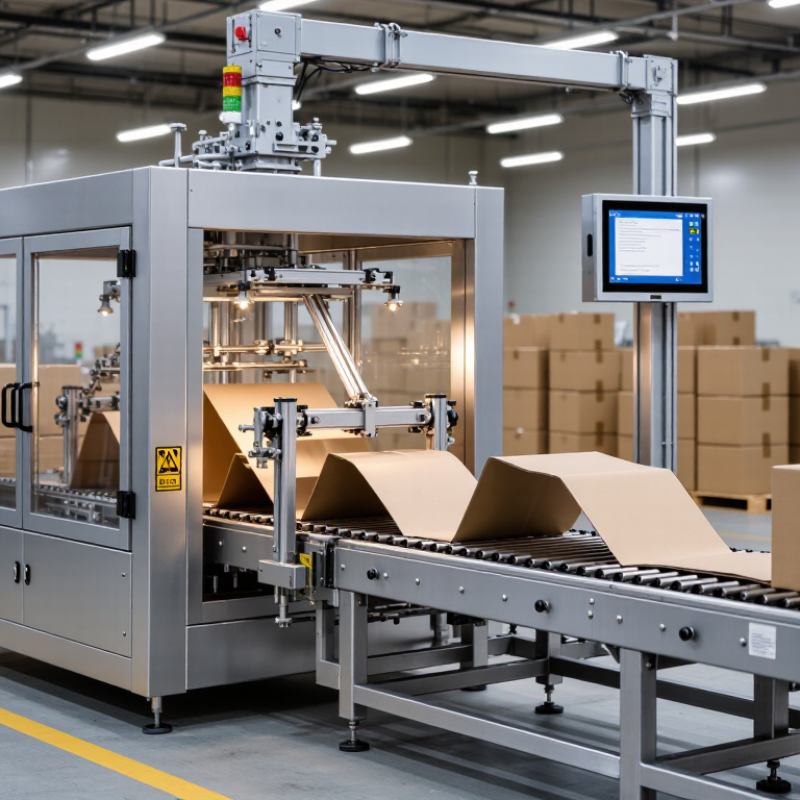
How to Choose the Right Carton Forming Machine?

Define Your Carton Forming Requirements

How to Choose the Right Carton Forming Machine?

Define Your Carton Forming Requirements

Start with the carton, not the machine. Record its length, width, height, board grade, coating, and folding style. Measure both flat blanks and erected cartons. Small details matter. A glossy surface may reduce glue adhesion, while recycled board can change compression strength. Confirm whether cartons use hot-melt adhesive, cold glue, tuck flaps, or locking tabs.

Production targets need equal precision. Define cartons per minute, operating hours, batch sizes, and acceptable changeover time. PMMI’s 2023 State of the Industry Report valued U.S. packaging machinery shipments at $10.2 billion in 2022, an 11.9% annual increase. That growth reflects serious automation demand, but higher speed is not always better. A machine that runs quickly may waste materials during frequent adjustments. Test real blanks.

Ask operators to identify difficult cartons and recurring stoppages. Document available floor space, electrical supply, compressed air, guarding, and line integration needs. Include inspection points for open flaps, poor glue patterns, and damaged corners. An experienced supplier should run your actual cartons before final selection. Request measurable results, including speed, reject rate, and changeover duration. I still leave room for a wrong assumption. Requirements change after production begins. Recheck them against real samples, seasonal volumes, and future carton designs.


Compare Carton Forming Machine Types and Methods

How to Choose the Right Carton Forming Machine?

Compare Carton Forming Machine Types and Methods

Choosing the right carton forming machine starts with comparing forming methods, not catalog speed. In production reviews, I examine carton size, board stiffness, closure style, and hourly demand. A machine rated for 40 cartons per minute may struggle with warped blanks or frequent size changes. Measure real materials, not ideal samples.

Semi-automatic machines suit smaller batches and frequent product changes. They usually need an operator to load blanks or manage carton feeding. Intermittent automatic machines pause during folding and sealing, giving stable control for standard cartons. Continuous-motion machines run faster, but they demand accurate blanks and careful setup. Horizontal forming works well for many retail cartons, while vertical forming can suit products loaded from above. Pre-glued cartons use a different forming method from flat tuck-end cartons. The carton design matters greatly.

Test it live. Ask the supplier to run your actual board, adhesive, and closure style. Check changeover time, jam recovery, guarding, cleaning access, and spare-part availability. A common mistake is choosing the fastest machine before checking floor space and operator skill. I have also seen small alignment errors become repeated carton damage. That detail is easy to overlook. Record rejection rates during a realistic trial, not just the best five minutes. A slower machine with dependable feeding may deliver better output across a full shift.

Evaluate Speed, Carton Size, Materials, and Automation

How to Choose the Right Carton Forming Machine?

Evaluate Speed, Carton Size, Materials, and Automation

Machine speed should match your real production rhythm, not only the brochure rating. A line rated at 120 cartons per minute may deliver less after loading, inspection, and minor stoppages. Check the stable running speed with your carton design. Ask for a live trial using your board and adhesive. Short tests can hide difficult changeovers.

Carton size is often underestimated. Measure the smallest and largest blanks, including flap length and fold depth. A machine may form small boxes well but struggle with wide flaps. Record each format changeover with a stopwatch. Ten extra minutes per change can reduce daily output significantly. I once focused too much on speed and overlooked this detail.

Material affects forming quality. Test coated board, recycled board, corrugated grades, and different thicknesses before purchasing. Stiff board may need stronger folding guides. Soft board may require gentler handling. Inspect corners, seams, and glue lines under normal lighting. Automation should remove repetitive adjustments, not remove operator judgment. Useful features include recipe storage, automatic size adjustment, sensors, and fault alerts. Confirm that operators can understand the controls quickly. Complex automation looks impressive, but it can increase downtime when training is weak. Leave room for improvement. Your current carton range may grow.

Assess Compatibility, Quality, Maintenance, and Safety

Choosing the right carton forming machine starts with compatibility, not speed. Measure carton dimensions, board thickness, flap design, and production rhythm before requesting quotations. A machine that handles one box style well may struggle with tapered cartons or recycled board.

Ask for sample trials using your actual cartons and adhesive. Watch the forming cycle closely. Small jams matter. In practical evaluations, operators notice details that brochures often miss, such as awkward loading height or difficult sensor access. Record changeover time, reject rate, and noise during a full shift. Do not rely only on a short demonstration.

Quality should be judged through formed-box accuracy, seam strength, and repeatability. Inspect corner alignment and compression after several hours, not just ten cartons. Request documented tolerances, electrical drawings, spare-parts lists, and training records.

Maintenance access is equally important. Lubrication points should be visible, guarded, and easy to reach. Belts, guides, and vacuum components need quick replacement. A clever design can still become expensive if one worn part stops the line.

I may overvalue initial price when comparing machines. That is a common mistake.

Tips:

Match the machine to your weakest carton material, not your ideal sample. Confirm safety guarding, emergency stops, interlocks, and clear operating instructions. Ask how faults are diagnosed and how quickly critical parts can be sourced.

Let operators test the interface with gloves and normal production lighting. Keep a written acceptance checklist. It prevents friendly promises from replacing measurable evidence.

Calculate Total Cost and Select the Right Machine

How to Choose the Right Carton Forming Machine?

Calculate Total Cost and Select the Right Machine

Choosing a carton forming machine should begin with total cost, not the purchase price. A low-cost machine may require more operators, frequent adjustments, or expensive tooling. Include electricity, compressed air, spare parts, maintenance, training, and expected downtime. Also measure changeover time between carton sizes. Ten extra minutes per changeover can become several lost production hours each month.

From practical production reviews, the best choice usually matches real output rather than advertised speed. Record your cartons per minute, material thickness, box dimensions, and daily operating hours. Then compare those figures with the machine’s tested performance. Ask for sample trials using your actual carton blanks. This can reveal folding cracks, weak seals, or inconsistent forming. Small leaks matter. Measure them. I have seen teams overestimate demand and buy excessive capacity. That decision increased energy use and left valuable floor space unused.

Tips: Build a three-year cost sheet before selecting equipment. Separate fixed costs from variable costs. Add a realistic allowance for maintenance and unplanned stops. Check whether operators can reach adjustment points safely and quickly. A machine that changes format easily may outperform a faster machine during mixed production. Review supplier documentation, service response terms, and available technical training. Do not trust one impressive test result. Repeat the test under normal shift conditions, because clean demonstrations rarely reflect every production problem.

How to Choose the Right Carton Forming Machine?

Five-year total cost comparison by machine configuration

The comparison uses a modeled five-year cost estimate for a medium-sized packaging operation running 2,000 hours per year. Total cost includes estimated purchase price, electricity, labor, maintenance, and tooling. Actual costs vary with carton size, production volume, automation level, energy prices, and local labor rates.

Plug & Play Installation

Our installation services are top-notch, delivering modular systems for any application on time in plug & play condition. We leave nothing for you to figure out, set up, or fix. All you’ve to do is just step in, and get going with your business.

Dismantling & Reassembling

We hold a long-term view when we build modular rooms taking into consideration your changing needs. Whether it’s shifting your workspace to a new site, redesigning your unit to fit new requirements, or simply clearing the area at the end of the project, our Dismantling & Reassembling teams are pressed into service to get the job done in the quickest possible time and minimum resource wastage.

Interior Designing

Our interior designs combine both functional and aesthetic aspects to provide you with physical and emotional comfort. We ask you for your preferences and give the best possible solutions aligned to your tastes. Our units are built to be modern, stylish, and elegant.

Bespoke Solutions

We understand that every project is unique and therefore has a different set of requirements. That’s why we believe in customizing our solutions to fit individual needs. We are equipped with the right talents, technology, and skillset to offer bespoke modular units, without compromising on turnaround time or quality.

Aftersales Service

The benefits of choosing Containers ME continues long after the installation of the units as we provide aftersales service for as long as you need. All you have to do is sign the Annual Maintenance Contract (AMC) and enjoy technical support for all the maintenance-related issues. By signing the contract, you can rest assured that a highly professional team of dedicated staff are at your service all year round to attend to your needs.

Customized Container Solutions

We specialize in Customized Container Solutions designed to meet diverse needs across the UAE. Our offerings include customized modular containers that cater to various applications, from tailor-made container solutions to bespoke container designs.

Whether you’re looking for personalized container homes or custom modular containers, we have you covered. Our customized container offices provide functional workspaces, while our customized portable containers ensure flexibility on-site. Explore our range of custom container storage units and customized cargo containers to optimize your space.

We also offer custom container leasing and custom container fabrication services, along with customized sea containers designed for secure transport. For specialized needs, our specialized container modifications will help you create the perfect solution for your requirements in both Dubai and the broader UAE.

Get a quote

Get a quote



