Blogs

How to Choose the Right Conveying Device for Your Needs?

Choosing the right Conveying Device can be a challenge. With various options available, it is crucial to make an informed decision. According to industry expert John Smith, "The best conveying device is one that meets the specific needs of your operation." This insight underscores the importance of understanding your requirements.

There are many factors to consider when selecting a conveying device. Material types, distance, and speed all play significant roles. Each application is unique, and a one-size-fits-all approach rarely works. Take the time to evaluate your operational needs before making a choice. Reflecting on past experiences can help identify what worked and what didn’t.

Investing in the right conveying device can improve efficiency. However, it's essential to balance cost with functionality. Sometimes, cheaper options may seem appealing but can lead to issues later on. Quality should never be compromised for a lower price tag. Remember, a reliable conveying device is key to smooth operations in any industry.
How to Choose the Right Conveying Device for Your Needs?

Understanding Your Material Handling Requirements

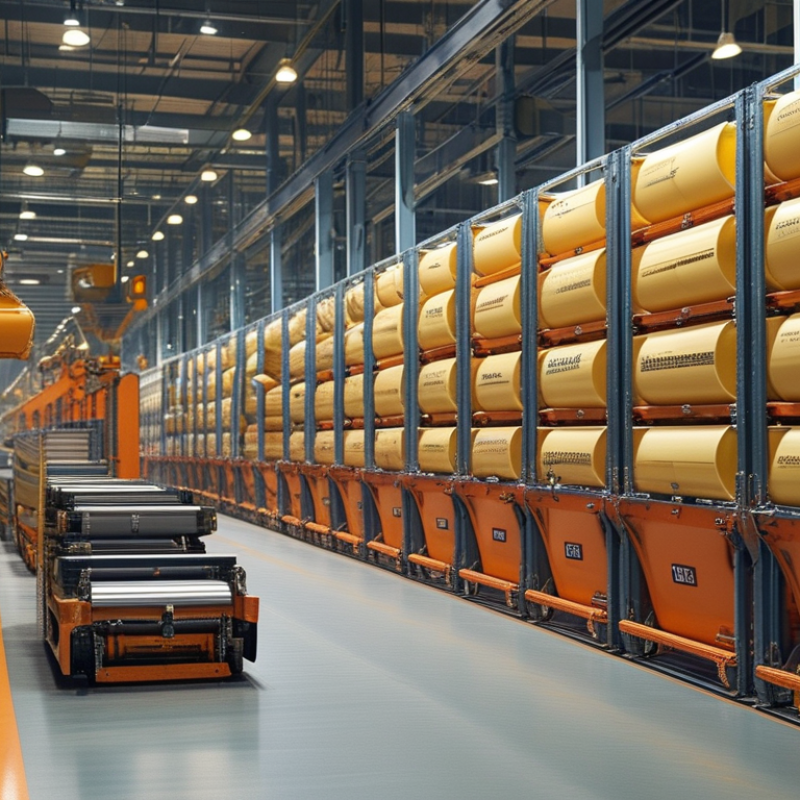
When selecting a conveying device, it’s essential to assess your material handling requirements. Understanding the specific characteristics of the materials being moved is crucial. For example, according to recent industry data, conveyors can handle a variety of materials, from bulk solids to packaged goods. Materials may vary in density, size, and flow characteristics. Each of these factors influences the type of conveying solution best suited for your operations.

For instance, if your material is prone to degradation, a gentler conveying option, like an auger, may be necessary. In contrast, bulk materials with higher throughput demands may require belt conveyors. Industry reports suggest that more than 50% of material handling issues arise from mismatched conveyor types. This highlights the importance of a thorough evaluation before choosing a device.

Tips: Always consider the environment where your conveyor will operate. Is it wet, dusty, or regulated? Each factor can affect performance and efficiency. Also, don’t forget about maintenance. Regular checks can prevent breakdowns and improve productivity. Understanding these dimensions of your material handling requirements is key to making an informed decision.


Types of Conveying Devices and Their Applications

Choosing the right conveying device involves understanding the various types available and their specific applications. There are several common types.

For instance, belt conveyors are effective for transporting bulk materials over long distances. They are widely used in mining and agriculture. In a study by the Conveyor Equipment Manufacturers Association (CEMA), belt conveyors accounted for about 45% of the total market share in 2022, highlighting their importance in material handling.

Another type is screw conveyors. These devices are suitable for moving granular or powder materials. They work well in agricultural applications, particularly for grains. According to a report from the Material Handling Industry (MHI), screw conveyors have seen a significant rise in order volume, with a growth rate of 6% annually. However, they may not be efficient for large volumes, which can be a limitation worth considering.

Lastly, pneumatic conveyors use air pressure to transport materials through tubes. This method is ideal for fragile or fine particles. However, they require careful calibration and maintenance. A report by the Bulk Solids Innovation Center indicated that while pneumatic systems can improve efficiency, they may incur higher operational costs. Understanding these nuances can guide selection, ensuring the conveying device meets specific operational needs effectively.

Factors to Consider When Selecting a Conveying Device

When selecting a conveying device, several crucial factors come into play. The type of material being transported is paramount. Different materials have unique properties, such as weight, size, and fragility. For instance, bulk materials may require a different conveying method than delicate items. It’s essential to assess the characteristics of your load before making a choice.

Space and layout are also vital considerations. Some devices require more room for operation. If your area is limited, compact designs might be necessary. Additionally, think about the distance the materials need to travel. A longer distance might need a more robust system, while short distances could allow for simpler solutions.

Maintenance requirements should not be ignored. Reliable devices often have lower maintenance needs, but they may come at a higher initial cost. Balancing the initial investment with long-term operational costs can be challenging. Choosing the right conveying device involves careful evaluation of these factors, understanding your needs, and being prepared for adjustments along the way.

There’s no one-size-fits-all solution, and mistakes will happen. Use them as learning opportunities to refine your choices for future projects.

Evaluating the Efficiency and Cost of Conveying Solutions

When selecting a conveying device, efficiency and cost are crucial factors. Recent reports indicate that the conveying industry can account for up to 20% of total operational costs in manufacturing. Understanding your specific needs can make a significant difference in efficiency and overall expenditures.

For instance, pneumatic conveyors often have lower initial costs but can lead to higher energy consumption. A study revealed that energy costs can increase by 30% if the system is not appropriately sized. Understanding the volume and type of materials being transported is key to maximizing efficiency.

On the other hand, a more expensive mechanical conveyor may offer better long-term value. Data shows that these devices can reduce maintenance costs by up to 25% over their lifespan. However, not every operation must invest heavily in equipment. Assessing your throughput needs and material characteristics can lead to better decisions. It’s important to challenge assumptions about what is “suitable.” Are you fully aware of the costs you might incur with specific systems? Operators often overlook hidden expenses, leading to budget overruns.

How to Choose the Right Conveying Device for Your Needs?

Conveying Device Type Efficiency Rating (%) Cost per Meter ($) Maintenance Frequency (Months) Best Use Case
Belt Conveyor 85 20 6 Bulk Material Handling
Screw Conveyor 80 25 12 Powdered Materials
Chain Conveyor 90 30 8 Heavy Loads
Pneumatic Conveyor 75 45 10 Lightweight and Dusty Materials
Drag Chain Conveyor 78 35 15 Bulk Solid Transportation

Maintenance and Support for Your Chosen Conveying Device

When selecting a conveying device, maintenance and support are crucial factors that can affect long-term performance. Regular checks ensure that the device operates at its best. A well-maintained system reduces downtime and enhances efficiency. However, many overlook this aspect until problems arise. Addressing issues early is vital for minimizing costs and maximizing productivity.

Tips for maintaining your conveying device include scheduling routine inspections and cleaning. Keep an eye on wear and tear. Timely replacements of worn parts can prevent unexpected failures. Use compatible lubricants and follow manufacturer recommendations. This small extra step often extends the life of your device.

It's essential to seek professional support when needed. Trained technicians can provide insights that save time and money. Not every issue is easy to diagnose. Relying on experts can bring peace of mind. Consider establishing a maintenance contract. It creates structured support whenever challenges arise. This proactive approach can aid in smooth operations and increase reliability.

Plug & Play Installation

Our installation services are top-notch, delivering modular systems for any application on time in plug & play condition. We leave nothing for you to figure out, set up, or fix. All you’ve to do is just step in, and get going with your business.

Dismantling & Reassembling

We hold a long-term view when we build modular rooms taking into consideration your changing needs. Whether it’s shifting your workspace to a new site, redesigning your unit to fit new requirements, or simply clearing the area at the end of the project, our Dismantling & Reassembling teams are pressed into service to get the job done in the quickest possible time and minimum resource wastage.

Interior Designing

Our interior designs combine both functional and aesthetic aspects to provide you with physical and emotional comfort. We ask you for your preferences and give the best possible solutions aligned to your tastes. Our units are built to be modern, stylish, and elegant.

Bespoke Solutions

We understand that every project is unique and therefore has a different set of requirements. That’s why we believe in customizing our solutions to fit individual needs. We are equipped with the right talents, technology, and skillset to offer bespoke modular units, without compromising on turnaround time or quality.

Aftersales Service

The benefits of choosing Containers ME continues long after the installation of the units as we provide aftersales service for as long as you need. All you have to do is sign the Annual Maintenance Contract (AMC) and enjoy technical support for all the maintenance-related issues. By signing the contract, you can rest assured that a highly professional team of dedicated staff are at your service all year round to attend to your needs.

Customized Container Solutions

We specialize in Customized Container Solutions designed to meet diverse needs across the UAE. Our offerings include customized modular containers that cater to various applications, from tailor-made container solutions to bespoke container designs.

Whether you’re looking for personalized container homes or custom modular containers, we have you covered. Our customized container offices provide functional workspaces, while our customized portable containers ensure flexibility on-site. Explore our range of custom container storage units and customized cargo containers to optimize your space.

We also offer custom container leasing and custom container fabrication services, along with customized sea containers designed for secure transport. For specialized needs, our specialized container modifications will help you create the perfect solution for your requirements in both Dubai and the broader UAE.

Get a quote

Get a quote