Choosing the right screw fasteners can be daunting. With numerous options, finding the perfect fit for your project requires careful consideration. Screw fasteners are essential in construction, assembly, and various DIY tasks. They provide stability and strength, making them a vital component.
When selecting screw fasteners, think about the material and application. Different projects need different types. For example, wood screws work best for wooden surfaces, while metal screws are essential for metal components. Understanding the unique requirements of your task is crucial.
It's easy to overlook the importance of screw fasteners in projects. Many people rush this decision, leading to structural failures. Reflection on your project’s demands can save you time and resources. Making informed choices about screw fasteners can elevate the quality of your work.
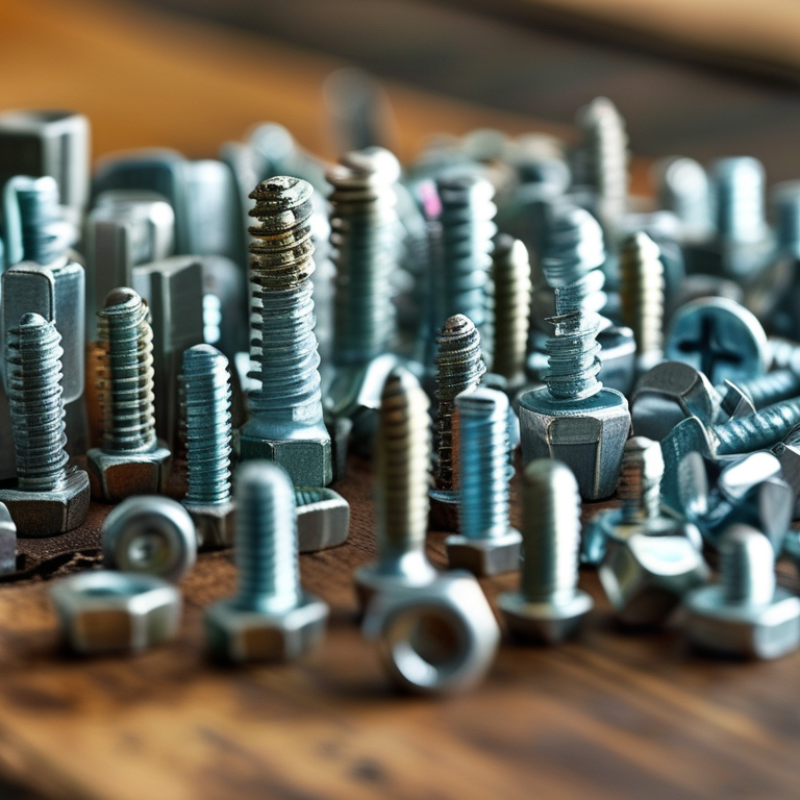
When choosing screw fasteners, understanding the variety available in the market is crucial. Screws come in many types, each designed for specific applications. For instance, wood screws have coarse threads ideal for gripping wood. In contrast, machine screws have a uniform diameter, making them suitable for fastening metal parts. These distinctions help ensure you select the right screw for your project.
Beyond the basic types, there are also fastening techniques to consider. Self-tapping screws create their own hole, simplifying installation. However, they can strip if over-tightened. Meanwhile, lag screws provide added strength for heavy-duty applications but require pre-drilled holes. A surprising number of people overlook these details, leading to project failures.
Choosing the right screw is not just about the type but also the material. Stainless steel resists corrosion, making it perfect for outdoor use. Conversely, carbon steel is often stronger but may rust. It’s essential to weigh the pros and cons of each option based on the specific environment and stress conditions. Recognizing these nuances can enhance your decision-making process.

When selecting screw fasteners, consider several key factors that influence your project’s success. Material choice is crucial; different materials, like stainless steel or brass, offer varying degrees of corrosion resistance and strength. Think about where the fasteners will be used. For outdoor projects, opt for materials that endure harsh environments. It’s essential to ensure that the screw can withstand exposure to moisture and temperature fluctuations.
Thread type and length also play important roles. Coarse threads provide better grip in softer materials, while fine threads work well in harder substances. Check the overall length to guarantee the screw penetrates adequately without the risk of breaking. The diameter is equally significant; select a thickness that supports the intended load. A screw that is too thin may fail, while one that is overly thick could split the material.
Don’t overlook head type; it affects how the screw can be driven and removed. Choose between flat, round, or hex heads, depending on the tools you have. Lastly, reflect on your project needs. Sometimes, a fastener that seems perfect might not work due to unforeseen challenges. Analyzing these aspects carefully will lead to better decisions and a more resilient final product.
Choosing the right screw fasteners requires careful consideration of materials. The material impacts overall durability and strength. According to a recent industry report, corrosion-resistant materials often outperform traditional choices. For instance, stainless steel screws exhibit a tensile strength exceeding 700 MPa, performing well in various environments.
Additionally, using carbon steel may seem cost-effective initially. However, it's crucial to note its susceptibility to rust and wear. Many experts recommend using coated screws for added durability. A study revealed that coated screws have a lifespan increase of about 30% in outdoor applications compared to uncoated alternatives.
When selecting screws, consider the specific environment and application. High moisture areas demand resistive materials like marine-grade stainless steel. Ignoring this can lead to premature failure. It’s important to balance cost with longevity in your choices. Scrutinizing the material properties can prevent future headaches and enhance project outcomes.
Choosing the right screw fasteners requires careful consideration of size and length. The performance of a screw largely depends on these dimensions. Industry research shows that nearly 75% of fastening failures stem from incorrect screw size. Therefore, understanding your project’s specific needs is crucial.
When assessing length, remember that the screw needs to penetrate sufficiently into the material. A general guideline is to aim for at least 1.5 times the thickness of the material being fastened. For example, if you’re securing a ¾ inch board, consider a screw length of at least 1 inch. This ensures a strong hold without risking material damage or inadequate fastening.
Consider the project type. If you’re working with soft wood, a shorter screw may suffice. Hardwoods, however, require longer screws to improve holding strength. A report from the Fastener Manufacturers Association indicates that the right screw length can improve holding capacity by up to 30%. Before selecting a screw, measure carefully and think about the material you're using. This thoughtful approach often prevents costly errors and weak connections.
| Screw Type | Material | Size (Diameter) | Length | Application |
|---|---|---|---|---|
| Wood Screw | Steel | #8 | 2 inches | Wood Furniture Assembly |
| Sheet Metal Screw | Stainless Steel | #10 | 1 inch | Metal Sheet Assembly |
| Lag Screw | Carbon Steel | 1/2 inch | 3 inches | Heavy Duty Installation |
| Self-Tapping Screw | Alloy Steel | #6 | 1.5 inches | Plastic and Thin Metal |
| Drywall Screw | Phosphate Coated Steel | #6 | 1 inch | Drywall Installation |
Screw fasteners come in various types, each designed for specific applications. Wood screws are ideal for furniture assembly. They have sharp tips that facilitate easy penetration into wood. Machine screws, on the other hand, work well with metal materials. They require nuts or washers for securing, making them less versatile but reliable for heavy-duty tasks.
Another common option is sheet metal screws. They have a unique thread design that enables them to grip thin pieces of metal securely. When choosing fasteners, consider your project requirements. The environment where these screws will be used matters. Corrosive settings may need stainless steel screws to prevent rust. Additionally, pilot holes can enhance performance when working with dense materials.
Choosing the right screw involves some trial and error. Many find it challenging to select the correct type for different applications. As you gain experience, the process becomes clearer. Observing how different screws perform in real-life situations can provide valuable insights. This practical knowledge can guide you in selecting the best fasteners for future projects.
Subscribe to our newsletter for the latest news and exclusive offers.
We hold a long-term view when we build modular rooms taking into consideration your changing needs. Whether it’s shifting your workspace to a new site, redesigning your unit to fit new requirements, or simply clearing the area at the end of the project, our Dismantling & Reassembling teams are pressed into service to get the job done in the quickest possible time and minimum resource wastage.
We understand that every project is unique and therefore has a different set of requirements. That’s why we believe in customizing our solutions to fit individual needs. We are equipped with the right talents, technology, and skillset to offer bespoke modular units, without compromising on turnaround time or quality.
The benefits of choosing Containers ME continues long after the installation of the units as we provide aftersales service for as long as you need. All you have to do is sign the Annual Maintenance Contract (AMC) and enjoy technical support for all the maintenance-related issues. By signing the contract, you can rest assured that a highly professional team of dedicated staff are at your service all year round to attend to your needs.
We specialize in Customized Container Solutions designed to meet diverse needs across the UAE. Our offerings include customized modular containers that cater to various applications, from tailor-made container solutions to bespoke container designs.
Whether you’re looking for personalized container homes or custom modular containers, we have you covered. Our customized container offices provide functional workspaces, while our customized portable containers ensure flexibility on-site. Explore our range of custom container storage units and customized cargo containers to optimize your space.
We also offer custom container leasing and custom container fabrication services, along with customized sea containers designed for secure transport. For specialized needs, our specialized container modifications will help you create the perfect solution for your requirements in both Dubai and the broader UAE.