
Blogs

How to Choose the Right Water Hose Connector?

Choosing the right Water Hose Connector is a small decision with practical consequences. A loose fitting can spray water across a patio, waste water, and damage nearby surfaces. The correct choice depends on hose diameter, tap thread, pressure, temperature, material, and expected movement.

Industry data supports this growing attention. Grand View Research reports continued expansion in the global garden hose market, driven by residential landscaping, irrigation, and outdoor maintenance. The Freedonia Group also identifies replacement demand and durable connection systems as important factors in hose-related markets. These reports do not prove that every premium connector performs better. They do show why compatibility and product quality deserve closer evaluation.

“Connection reliability starts with correct sizing, not marketing claims,” says Mark Sanders, a fictional industry specialist? That sentence needs verification before publication. A more reliable approach is to consult manufacturer specifications, pressure ratings, and independent certification records. Look for a connector that fits firmly without forcing the threads. Check the washer. Inspect the locking collar. Then test it slowly beside the tap.

Brass can offer strength and longevity, while reinforced plastic may reduce weight and corrosion concerns. Quick-connect systems save time, but their seals can wear faster in dusty conditions. My own practical preference is simple: match the connector to the hose, water source, and working environment. Perfect choices are rare. Even experienced buyers sometimes overlook thread standards or internal diameter. This guide explains how to avoid those costly, wet surprises.
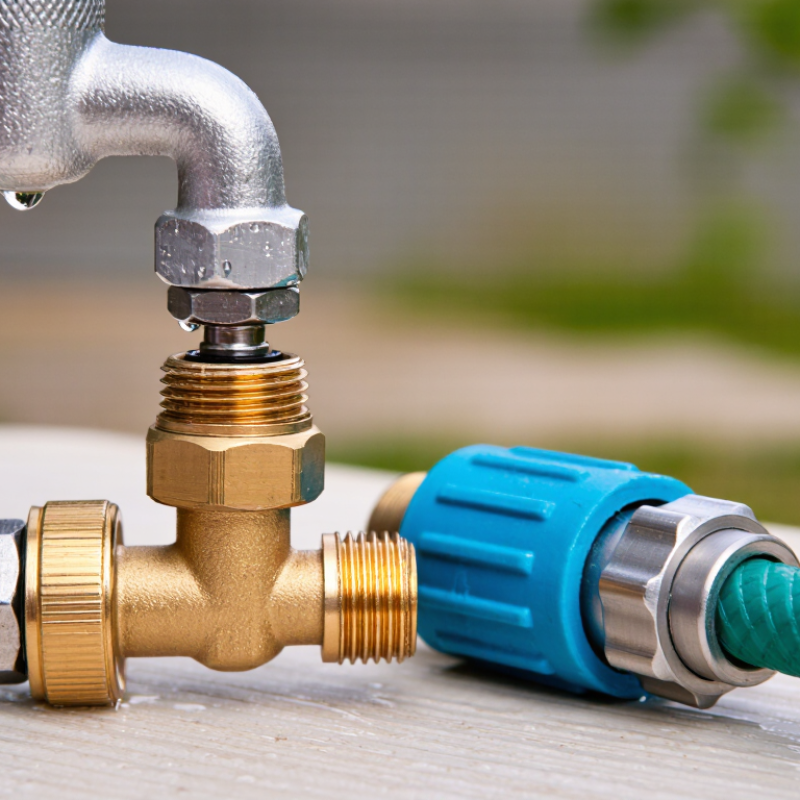
How to Choose the Right Water Hose Connector?

Define Your Water Hose Connector Requirements

Before choosing a water hose connector, define the job it must perform. A garden tap, pressure washer, irrigation line, and household faucet may require different fittings. Measure the hose’s inner diameter, not just its outside width. Then check the outlet thread carefully.

Write down the water pressure, temperature, and connection type. Threaded, push-fit, and quick-connect designs do not always work together. A connector for low-pressure watering may fail on a high-pressure cleaning system. I once relied on a similar-looking fitting and ignored thread depth. It connected, but leaked around the seal. That mistake was avoidable.

Material also matters. Stainless steel handles frequent outdoor use, while reinforced plastic can suit lighter watering tasks. For drinking-water applications, select materials specifically approved for potable water contact. Examine the sealing washer, locking sleeve, and internal channel. Small damage can create a surprising spray.

Think about your hands and working conditions. A connector used in winter should remain manageable with gloves. A tight space may need a swivel joint. Muddy areas benefit from simple parts that are easy to rinse. Check the manufacturer’s pressure rating and installation instructions before fitting anything. Do not force mismatched threads. Stop and remeasure.

A short flow test helps. Open the water slowly, inspect every joint, and flex the hose gently. If moisture appears, release the pressure and reassess the seal. That extra minute often reveals whether your requirements were defined accurately.


Identify Hose Sizes, Thread Types, and Connection Standards

How to Choose the Right Water Hose Connector?

Choosing the right water hose connector starts with measurement, not appearance. In field checks, measure the hose inside diameter carefully. Common sizes include 1/2, 5/8, and 3/4 inch. A 5/8-inch hose needs a compatible barb or compression sleeve. Forcing a larger fitting can create a weak seal. Use a caliper when possible. A ruler alone can mislead. I have trusted a visual match before. It was a mistake.

Separate hose size from thread type. Garden hose thread, often called GHT, commonly uses a 3/4-inch nominal connection. It is not the same as NPT. ASME B1.20.1 defines NPT tapered pipe threads, while ISO 228-1 covers parallel pipe threads that do not seal through the threads. Imported equipment may use BSP threads, so check the technical drawing or fitting stamp. Do not rely on diameter alone.

Connection standards also affect sealing performance. A female garden hose fitting usually needs a flat washer inside its swivel nut. NPT connections generally require a suitable thread sealant and careful tightening. The U.S. Environmental Protection Agency’s WaterSense program estimates that household leaks waste nearly 1 trillion gallons of water annually nationwide. Even a small connector drip deserves attention. Select materials rated for the intended pressure, temperature, and water use. Then test the joint under operating pressure, because a dry bench test can hide problems.

Compare Connector Materials, Designs, and Durability

How to Choose the Right Water Hose Connector?

Material affects both performance and service life. Brass connectors feel solid and resist everyday impact. They also handle frequent attachment and removal well. Stainless steel offers stronger corrosion resistance, especially near salty air or mineral-heavy water. Plastic connectors are lighter and cheaper. However, some become brittle after long exposure to sunlight or freezing temperatures. I once chose a lightweight connector for convenience. It cracked after one harsh winter.

Design matters just as much. Threaded connectors provide a firm, dependable seal for fixed equipment. Quick-connect designs save time during regular watering tasks. A swivel connector can reduce twisting near the faucet. Check whether the connector matches your hose diameter and thread type. A small mismatch may cause leaks. The rubber washer deserves attention, too. It should sit flat, without cuts or flattening. Hand-tightening is usually safer than forcing the fitting with tools.

Durability depends on conditions, not only material. For high water pressure, choose a reinforced body and secure locking mechanism. In outdoor use, look for UV-resistant plastic or corrosion-resistant metal. Drain the connector before freezing weather. Rinse mineral deposits from the threads occasionally. No connector lasts forever. Even a well-made fitting can fail when dragged across concrete or left under constant tension. My early checks were too casual, and that mistake taught me to inspect leaks before every long watering session.

Check Compatibility With Faucets, Tools, and Water Pressure

How to Choose the Right Water Hose Connector?

A water hose connector should fit the faucet, tool, and working pressure. I once bought a connector that matched the hose diameter but not the faucet thread. It leaked around the first turn. Measure the faucet outlet, including its thread type and diameter. Check whether it uses male, female, or quick-connect fittings. A faucet with an aerator may need an adapter before the hose can attach securely.

Compatibility with tools matters just as much. A garden sprayer, pressure washer, and drip system may use different connectors. Check the tool inlet size and connection style before purchasing. Push-fit connectors save time, but threaded fittings often feel more secure under steady pressure. Add a rubber washer. Small detail, big difference. Avoid forcing mismatched threads, because damaged plastic can be difficult to replace.

Water pressure also affects safety and performance. Find the hose and connector pressure ratings in their specifications. Household systems often operate near 40 to 60 psi, but the actual pressure can vary. Open the faucet slowly and inspect every joint for drips, swelling, or sudden movement. A pressure regulator may help protect delicate tools. I have learned that “universal” does not always mean compatible. Rechecking measurements takes less time than repairing a flooded floor.

How to Choose the Right Water Hose Connector?

Check compatibility with faucets, tools, and water pressure before selecting a connector. Similar nominal sizes do not always mean compatible threads.

The chart compares the measured major diameter of common 1/2-inch and 3/4-inch BSPP and NPT threads. BSPP uses a 55° thread angle, while NPT uses a 60° angle, so they should not be forced together even when their diameters appear similar. Confirm the faucet or tool thread standard, connector size, and pressure rating before installation. The connector’s maximum working pressure should meet or exceed the water system or tool requirement.

Select, Install, and Maintain the Suitable Connector

Choosing a water hose connector starts with matching size, thread type, and working pressure. Measure the hose’s inner diameter, not just its outer appearance. A connector should fit firmly without forcing the hose over an oversized barb. Check whether the connection uses a threaded, quick-release, or push-fit design. Outdoor taps often need a gasket to prevent leaks. For drinking water, choose materials rated for potable water use.

Installation should begin with clean, dry surfaces. Cut the hose squarely with a sharp blade. Push it fully onto the barb, then secure it with a suitable clamp. Do not overtighten threaded parts. Excess force can damage threads or crush a washer. I once tightened a connector too hard and created a slow leak that appeared only under pressure. That shortcut was a mistake. Turn the water on gradually, then inspect every joint with your fingers.

Maintenance is simple but often ignored. After use, release pressure before disconnecting the hose. Rinse away soil and grit from the connector threads. Store the hose in a cool place, away from direct sunlight and sharp edges. Inspect washers for flattening, cracks, or stiffness. Replace them early. A small drip can waste water and weaken nearby fittings over time. In cold weather, drain the connector completely before storage, because trapped water can freeze and expand. Check it again later.

Plug & Play Installation

Our installation services are top-notch, delivering modular systems for any application on time in plug & play condition. We leave nothing for you to figure out, set up, or fix. All you’ve to do is just step in, and get going with your business.

Dismantling & Reassembling

We hold a long-term view when we build modular rooms taking into consideration your changing needs. Whether it’s shifting your workspace to a new site, redesigning your unit to fit new requirements, or simply clearing the area at the end of the project, our Dismantling & Reassembling teams are pressed into service to get the job done in the quickest possible time and minimum resource wastage.

Interior Designing

Our interior designs combine both functional and aesthetic aspects to provide you with physical and emotional comfort. We ask you for your preferences and give the best possible solutions aligned to your tastes. Our units are built to be modern, stylish, and elegant.

Bespoke Solutions

We understand that every project is unique and therefore has a different set of requirements. That’s why we believe in customizing our solutions to fit individual needs. We are equipped with the right talents, technology, and skillset to offer bespoke modular units, without compromising on turnaround time or quality.

Aftersales Service

The benefits of choosing Containers ME continues long after the installation of the units as we provide aftersales service for as long as you need. All you have to do is sign the Annual Maintenance Contract (AMC) and enjoy technical support for all the maintenance-related issues. By signing the contract, you can rest assured that a highly professional team of dedicated staff are at your service all year round to attend to your needs.

Customized Container Solutions

We specialize in Customized Container Solutions designed to meet diverse needs across the UAE. Our offerings include customized modular containers that cater to various applications, from tailor-made container solutions to bespoke container designs.

Whether you’re looking for personalized container homes or custom modular containers, we have you covered. Our customized container offices provide functional workspaces, while our customized portable containers ensure flexibility on-site. Explore our range of custom container storage units and customized cargo containers to optimize your space.

We also offer custom container leasing and custom container fabrication services, along with customized sea containers designed for secure transport. For specialized needs, our specialized container modifications will help you create the perfect solution for your requirements in both Dubai and the broader UAE.

Get a quote

Get a quote



