
Blogs

What is a Heavy Duty Truck and Why Does It Matter?

Heavy Duty Trucks are essential vehicles in the transportation industry. They are designed for heavy loads and rugged conditions. These trucks play a critical role in logistics, construction, and other sectors. Their durability often means they can withstand harsh environments.

These trucks differ significantly from standard vehicles. They feature powerful engines and robust frames. This allows them to handle significant weight and rough terrains. In today's economy, the efficiency and reliability of Heavy Duty Trucks are vital. They contribute to timely deliveries and reduced operational costs.

However, understanding the specifics of Heavy Duty Trucks can be complex. Many people overlook their importance until they face a breakdown. Regular maintenance is essential for optimal performance. As industries evolve, the role of these trucks will likely continue to grow and change.
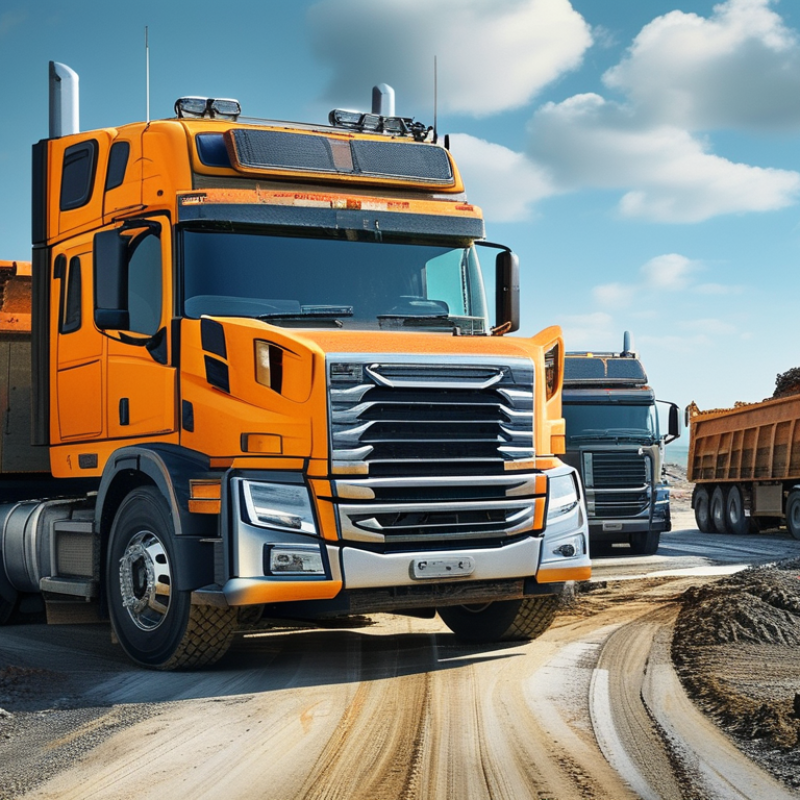
What is a Heavy Duty Truck and Why Does It Matter?

What Defines a Heavy Duty Truck in the Commercial Transportation Sector?

Heavy duty trucks play a crucial role in the commercial transportation sector. Defined by their weight capacity, these trucks typically have a Gross Vehicle Weight Rating (GVWR) exceeding 26,000 pounds. According to the American Trucking Associations (ATA), heavy duty vehicles account for approximately 10% of all trucks on the road. This category includes various truck types such as tractor-trailers and dump trucks, vital for long-haul transport and construction work.

The impact of heavy duty trucks extends beyond their size. They help move over 70% of all freight in the United States, as reported by the U.S. Department of Transportation. This reveals their indispensable role in the supply chain. However, the heavy duty truck sector faces challenges. Emissions regulations and rising fuel costs necessitate innovative solutions. Many operators are exploring alternative fuels and advanced technology, yet the transition can be slow and costly.

Maintenance and safety are also key concerns. The failure rate of heavy duty trucks can be high, with the National Highway Traffic Safety Administration (NHTSA) noting a substantial percentage of incidents related to mechanical failures. Regular checks and adherence to maintenance schedules are essential. Yet, even with strict regulations in place, discrepancies in maintenance practices exist, highlighting areas needing improvement.


Key Specifications and Classifications of Heavy Duty Trucks

Heavy duty trucks, essential to transportation and logistics, are classified based on specific criteria, such as Gross Vehicle Weight Rating (GVWR). These vehicles typically have a GVWR exceeding 26,000 pounds. According to the U.S. Department of Transportation, there are various classes within the heavy duty segment. Classes 7 and 8 dominate, with Class 8 trucks commonly used for long-haul freight.

When evaluating heavy duty trucks, it's vital to consider specifications like engine power, torque, and towing capacity. Most heavy duty trucks feature engines ranging from 300 to 600 horsepower. This variation allows for adaptability in various terrains and freight types. For instance, heavy duty trucks can tow loads from 10,000 to over 40,000 pounds. These figures are critical, yet it’s important to acknowledge the pressure on manufacturers to enhance fuel efficiency while maintaining performance.

The heavy duty truck market is expected to grow. Factors include the rise in e-commerce and demand for reliable delivery services. Yet, the industry faces challenges such as emissions regulations and sustainability pressures. Addressing these issues will require innovation in design and technology. Stakeholders must reflect on optimizing performance while reducing environmental impacts. This balance is crucial for the future of heavy duty trucking.

Economic Impact of Heavy Duty Trucks on Freight and Logistics Industries

Heavy duty trucks play a crucial role in the freight and logistics industries. They are essential for transporting goods across vast distances. These trucks help to move raw materials, consumer products, and other critical supplies. The efficiency and capacity of heavy-duty trucks directly influence supply chain dynamics. Their ability to carry large loads impacts delivery times and overall cost.

The economic impact of heavy-duty trucks is significant. They contribute billions to the economy. Their operation supports millions of jobs, from drivers to logistics coordinators. However, the reliance on these trucks also raises questions. Heavy-duty trucks consume substantial fuel, which can strain resources. Traffic congestion from truck movements affects urban areas. Balancing efficiency with sustainability is a complex challenge. As we look to the future, finding solutions that support both economic growth and environmental responsibility is essential.

Environmental Regulations and Heavy Duty Truck Emissions Standards

Heavy-duty trucks play a vital role in our economy. They transport goods across long distances. However, they contribute significantly to air pollution. Emissions from these trucks include nitrogen oxides and particulate matter. These pollutants harm our environment and human health. As such, understanding emissions standards is crucial.

Environmental regulations exist to control truck emissions. Governments around the world enforce stricter rules. These regulations aim to reduce harmful gases. They also promote the use of cleaner technologies. Unfortunately, some manufacturers struggle to meet these standards. This leads to ongoing debates about compliance and accountability. Not all companies prioritize sustainability.

Implementation of heavy-duty truck emissions standards varies by region. Some areas lag in enforcing these rules. This inconsistency can undermine global efforts to combat climate change. The industry must navigate these challenges. It can lead to a more sustainable approach to transportation. Addressing emissions remains a complex issue. Continuous improvement in regulations is essential for a healthier future.

Future Trends: Electrification and Autonomous Technologies in Heavy Duty Trucks

The future of heavy-duty trucks is rapidly changing. Electrification is a significant trend, transforming how these vehicles operate. Electric trucks can reduce emissions and lower fuel costs. However, the shift also brings challenges. Charging infrastructure must expand to support a growing fleet of electric vehicles.

Autonomous technologies are another game-changer. They promise safer roads and improved efficiency. Yet, the transition to fully autonomous trucks requires careful consideration. Regulatory frameworks must evolve to address safety concerns. The industry must develop reliable AI systems capable of navigating diverse environments.

Investments in training and skills are essential. Truck drivers may need to adapt to new roles in a tech-driven landscape. As technology evolves, so must the workforce. Additionally, industry stakeholders must engage in discussions about the ethical implications of automation. Balancing innovation with responsibility is crucial for sustainable growth.

Plug & Play Installation

Our installation services are top-notch, delivering modular systems for any application on time in plug & play condition. We leave nothing for you to figure out, set up, or fix. All you’ve to do is just step in, and get going with your business.

Dismantling & Reassembling

We hold a long-term view when we build modular rooms taking into consideration your changing needs. Whether it’s shifting your workspace to a new site, redesigning your unit to fit new requirements, or simply clearing the area at the end of the project, our Dismantling & Reassembling teams are pressed into service to get the job done in the quickest possible time and minimum resource wastage.

Interior Designing

Our interior designs combine both functional and aesthetic aspects to provide you with physical and emotional comfort. We ask you for your preferences and give the best possible solutions aligned to your tastes. Our units are built to be modern, stylish, and elegant.

Bespoke Solutions

We understand that every project is unique and therefore has a different set of requirements. That’s why we believe in customizing our solutions to fit individual needs. We are equipped with the right talents, technology, and skillset to offer bespoke modular units, without compromising on turnaround time or quality.

Aftersales Service

The benefits of choosing Containers ME continues long after the installation of the units as we provide aftersales service for as long as you need. All you have to do is sign the Annual Maintenance Contract (AMC) and enjoy technical support for all the maintenance-related issues. By signing the contract, you can rest assured that a highly professional team of dedicated staff are at your service all year round to attend to your needs.

Customized Container Solutions

We specialize in Customized Container Solutions designed to meet diverse needs across the UAE. Our offerings include customized modular containers that cater to various applications, from tailor-made container solutions to bespoke container designs.

Whether you’re looking for personalized container homes or custom modular containers, we have you covered. Our customized container offices provide functional workspaces, while our customized portable containers ensure flexibility on-site. Explore our range of custom container storage units and customized cargo containers to optimize your space.

We also offer custom container leasing and custom container fabrication services, along with customized sea containers designed for secure transport. For specialized needs, our specialized container modifications will help you create the perfect solution for your requirements in both Dubai and the broader UAE.

Get a quote

Get a quote