
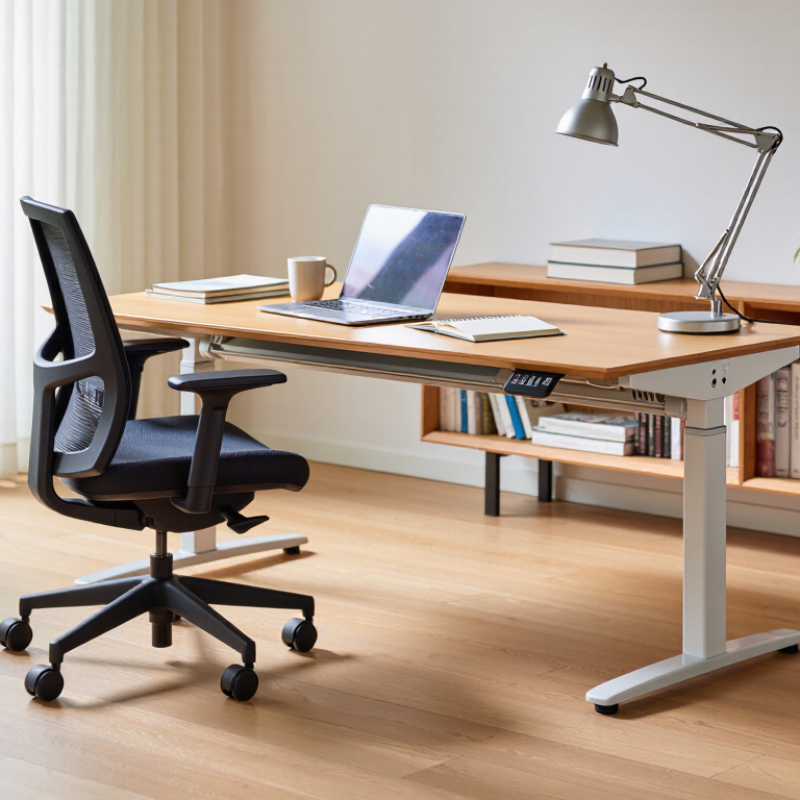
How to Choose the Best Study Desk in 2026?
A good study desk should match your room, equipment, and daily habits. Measure the available wall before choosing a size. A 100–120 cm desk suits one laptop, notebooks, and a small lamp. Students using a monitor, keyboard, and textbooks may need 140–160 cm. Keep at least 60 cm of depth for comfortable screen distance. More space is not always better. Oversized desks can make a small room feel crowded.
Shape changes how efficiently you move. A rectangular desk fits most bedrooms and supports a simple, focused layout. An L-shaped desk separates computer work from writing or drawing. It works well in a corner, but the unused side can collect clutter. A compact corner desk saves floor space, though its narrow edges may limit arm movement. I once chose a shallow desk for a small room, and the keyboard felt too close. That decision looked practical, but it was uncomfortable after long sessions.
Workspace layout matters as much as measurements. Place the screen directly in front of you, with the top near eye level. Leave space beside your dominant hand for writing. Store frequently used books within easy reach, not behind the chair. Keep cables along the rear edge to protect legroom. A desk lamp should illuminate the page without shining into your eyes. These details reflect common ergonomic practice, yet personal comfort still matters. Test the chair, reach, and surface height together before buying. A perfect layout on paper may fail in real use.





