How to Choose the Right Wheelchair Tubing?
Choosing the right Wheelchair Tubing is not merely a matter of selecting a diameter or finish. It affects frame strength, ride comfort, corrosion resistance, repairability, and user safety. A tube that looks substantial may still flex under repeated loading. A lightweight option may reduce transport effort, yet demand stricter welding and fatigue control.
The World Health Organization and UNICEF reported in Global Report on Assistive Technology (2022) that more than 2.5 billion people need at least one assistive product. This number may reach 3.5 billion by 2050. Those figures underline a practical reality: wheelchair components must support reliable, long-term mobility across varied environments. ISO 7176-8 evaluates wheelchair static strength, impact strength, and fatigue-related performance. However, the standard does not choose the tubing for you.
Dr. Rory Cooper, a leading wheelchair researcher and founder of the Human Engineering Research Laboratories, has said, “A wheelchair is not a piece of furniture; it is a mobility device.” That perspective changes the selection process. Consider alloy grade, wall thickness, outer diameter, bending radius, weld quality, and surface protection together. Think about the user’s weight, transfer habits, terrain, climate, and transport routine. Measure twice.
Manufacturers often favor aluminum for its low weight, while steel can provide greater stiffness and simpler cost control. Titanium offers corrosion resistance and a distinctive ride, but usually increases price and fabrication demands. No material wins every application. That is the uncomfortable part.
A responsible choice combines supplier test data, dimensional checks, standards-based testing, and feedback from actual users. Even experienced designers can overlook fatigue, joint concentration, or moisture trapped inside a tube. The best Wheelchair Tubing decision is therefore evidence-led, application-specific, and open to revision.
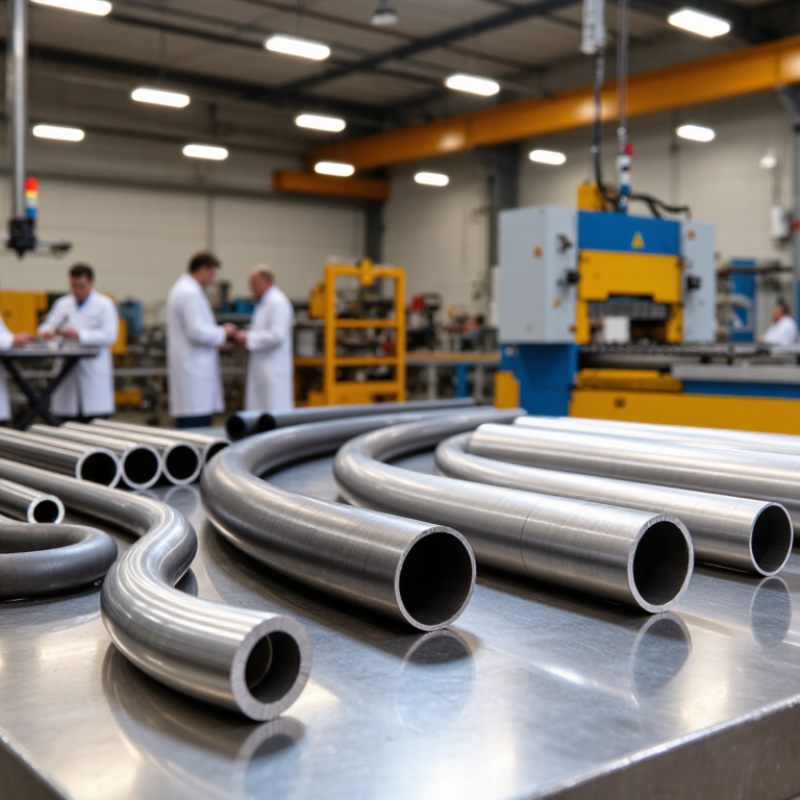
Understanding Wheelchair Tubing Types and Their Applications
How to Choose the Right Wheelchair Tubing?
Understanding Wheelchair Tubing Types and Their Applications
Wheelchair tubing affects strength, weight, comfort, and repairability. Steel tubing offers high durability and stable performance for daily, heavy-duty use. Aluminum tubing reduces overall weight and suits active users who lift or transport their chairs often. Titanium tubing can absorb vibration effectively, but its cost and specialized welding may limit practical repairs. Tubing diameter and wall thickness also matter. Larger tubes can improve rigidity, yet they may add unnecessary weight.
The World Health Organization and UNICEF reported in the Global Report on Assistive Technology (2022) that over 2.5 billion people need assistive products. This figure may reach 3.5 billion by 2050. Reliable wheelchair construction will become increasingly important. ISO 7176-8 evaluates static, impact, and fatigue strength. Ask whether the tubing and frame were tested under realistic loads. A lighter frame is not always a better frame. That assumption needs questioning.
Tips: Match tubing to the user’s weight, terrain, transfer habits, and transport routine. Inspect welds, bends, and coating damage regularly. For outdoor use, consider corrosion-resistant materials and sealed tube ends. Tubing selection is often a compromise. Even experienced technicians can misjudge future repair needs. A small weight saving may create a larger maintenance problem.
Assessing Tubing Materials for Strength, Weight, and Durability
Choosing wheelchair tubing requires more than comparing frame weight.
Material selection affects strength, fatigue life, corrosion resistance, and daily handling. The WHO and UNICEF Global Report on Assistive Technology (2022) estimates that over 2.5 billion people need assistive products. That figure may exceed 3.5 billion by 2050. Durable frames will matter even more.
Steel tubing offers high strength and impact resistance. Its density is about 7.85 g/cm³, so it can increase lifting effort.
Aluminum weighs about one-third as much, with a density near 2.70 g/cm³. It supports easier transport, but thinner walls may dent under repeated impacts.
Titanium sits between them, near 4.5 g/cm³, and resists corrosion well.
Carbon-fiber tubing can reduce weight significantly, though damage may remain hidden after a sharp impact. That uncertainty deserves attention.
ISO 7176-8 evaluates wheelchair static, impact, and fatigue strength. A lightweight frame is not automatically a safer frame.
Tips: Check tubing diameter, wall thickness, weld quality, and surface protection. Ask whether testing followed ISO 7176-8. Inspect joints after curb drops and vehicle loading. A small dent near a weld should not be ignored. Match the material to the user’s weight, terrain, transfer habits, and maintenance access. The best choice is sometimes less elegant. It should survive ordinary neglect, not only a showroom demonstration.
Matching Tubing Features to the Wheelchair Design and User Needs
How to Choose the Right Wheelchair Tubing?
Matching tubing to the wheelchair design starts with understanding how the frame moves. A rigid wheelchair often benefits from lightweight tubing with high stiffness. A folding frame needs tubing that tolerates repeated opening, closing, and daily vibration. Diameter, wall thickness, and alloy affect weight, strength, and handling. Bigger is not automatically better.
User needs matter just as much. A person who transfers frequently may need tubing that resists dents near the seat and footrest mounts. Outdoor users may require strong corrosion resistance, especially in wet or coastal environments. A heavier user needs tubing rated for the complete equipment load, not only body weight. Hand strength also matters; excessive frame weight can make a short ramp exhausting. Measure twice.
Practical fitting should include frame geometry, weld quality, attachment points, and clearance for upholstery or accessories. A qualified wheelchair technician or rehabilitation professional can verify these details against the chair’s intended load and recognized safety requirements. Tubing that looks perfect on paper may still create poor balance or uncomfortable vibration. That is an easy mistake to make. The best choice is not the strongest tube available, but the tube whose stiffness, weight, flexibility, and finish match the design and the person using it.
Checking Compatibility, Safety Standards, and Maintenance Requirements
How to Choose the Right Wheelchair Tubing?
Choosing wheelchair tubing starts with compatibility, not appearance. Measure the existing tube’s outside diameter, wall thickness, length, and bend angles. Check the frame material and attachment method as well. Aluminum and steel tubing cannot always share the same clamps, welds, or fasteners. The replacement must support the chair’s intended load without changing its balance. A small measurement error can affect wheel alignment and user stability.
Safety standards deserve careful attention. Ask for documented test information and confirm that the tubing meets relevant wheelchair safety requirements, such as ISO 7176 where applicable. Inspect welds for even joints, sharp edges, and visible gaps. Tubing should resist corrosion and repeated stress during daily transfers. I have learned that a lightweight tube is not automatically safer. Strength, fatigue resistance, and correct installation matter more than weight alone. A qualified technician should assess structural repairs, especially around folding joints or seat supports.
Tips: Record measurements before removing the old tube. Use a caliper when possible. Check for rust, dents, loose hardware, and hairline cracks every month. Keep tubing clean and dry, especially after outdoor use. Avoid drilling new holes without professional approval. One overlooked detail is maintenance access; sealed areas may hide corrosion. Review the chair’s condition regularly, because even a suitable tube can become unsafe when fasteners loosen or the frame changes shape.
How to Choose the Right Wheelchair Tubing?
Checking compatibility, safety standards, and maintenance requirements
Compatibility
Match the replacement tube to the original outside diameter, wall thickness, material, bend profile, and joint design. A similar diameter alone does not confirm structural compatibility.
Safety standards
For safety assessment, refer to applicable wheelchair standards such as ISO 7176-1 for stability and ISO 7176-8 for static, impact, and fatigue strength. Tube replacement should be inspected and tested by a qualified technician.
Maintenance
Check welds, fasteners, dents, cracks, and corrosion at least monthly and after impacts. Clean and dry tubing after exposure to water, salt, or cleaning chemicals. Do not use tubing with visible structural damage.
The chart shows common nominal outside-diameter reference sizes found in wheelchair frame construction. Actual dimensions, tolerances, wall thickness, and material specifications must be verified against the wheelchair’s technical documentation before purchasing or fabricating replacement tubing.






