Blogs

How to Source Container Conversions in 2026?

Sourcing container conversions in 2026 requires more than finding a low-cost steel box. It requires verified supply, engineering judgment, and a clear understanding of local building requirements. The opportunity is growing, but the process remains uneven.

UNCTAD’s Review of Maritime Transport reports that shipping carries over 80% of global merchandise trade by volume. That scale creates a large pool of used containers. However, availability differs sharply by port, region, and season. Container xChange’s market reports also show that container prices and availability can change quickly with trade imbalances and repositioning costs.

That volatility affects every conversion project. A container may look affordable at a depot, yet transport, crane hire, corrosion treatment, insulation, and structural reinforcement can change the final budget. The steel box is only the starting point. Its previous cargo history, floor chemicals, wind exposure, and repair records deserve careful review.

Safety comes first.

ISO 668 helps standardize container dimensions, but it does not make a converted unit automatically suitable for occupation. The International Code Council’s building-code guidance highlights the need to address fire resistance, ventilation, energy performance, accessibility, and structural safety. Local authorities may apply additional rules.

This guide explains how to compare suppliers, inspect units, verify documentation, and estimate delivered costs for container conversions in 2026. It also questions a common assumption: reuse is always the greener choice. Transport distance, extensive modifications, and poor insulation can reduce environmental advantages. Reliable sourcing means measuring those trade-offs honestly, not promoting a perfect story.
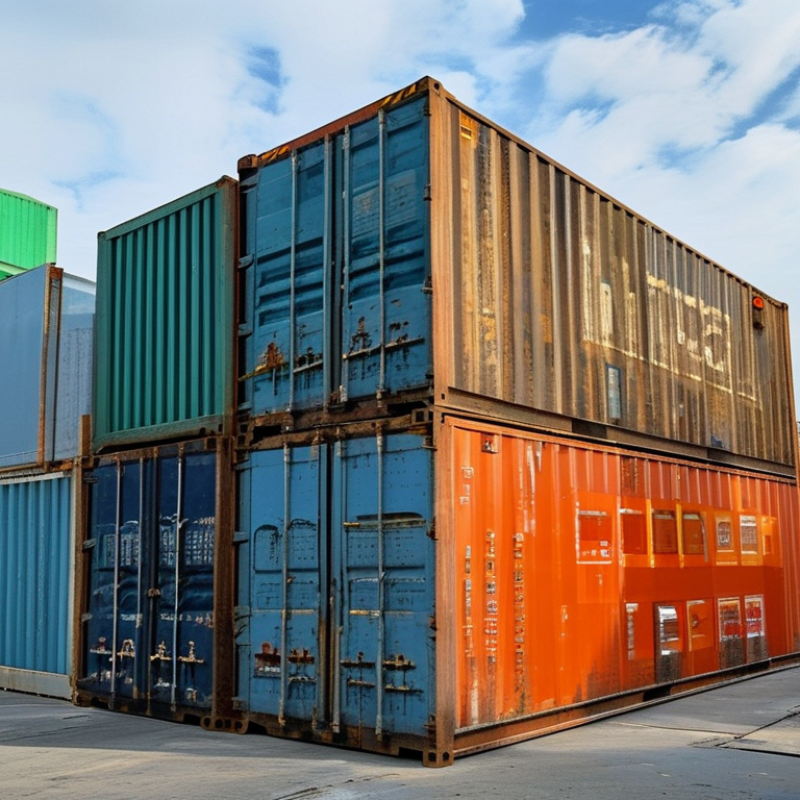
How to Source Container Conversions in 2026?

Define the Container Conversion Type and Intended Use

How to Source Container Conversions in 2026?

Define the Container Conversion Type and Intended Use

Define the container conversion before requesting a quotation. Storage, offices, workshops, and sanitary units require different specifications. Write the use, occupancy, location, duration, and approval path in one brief. A two-person office may need insulation, daylight, ventilation, electrical protection, and emergency access. A simple storage unit may need only shelving, lighting, and weather sealing.

The container size also matters. A 20-foot unit suits limited sites, while a 40-foot unit offers more usable floor area.

Confirm dimensions against ISO 668 before designing internal fixtures.

UNCTAD’s Review of Maritime Transport 2024 reported 2.4% maritime trade growth in 2023. It also projected 3.5% growth in containerized trade for 2024. This supports continued demand for used equipment, but it does not guarantee low prices or consistent condition.

Ask suppliers for manufacturing dates, repair records, photographs, floor condition, door operation, and corrosion measurements. Request clear evidence of previous cargo use. Do not rely on fresh paint.

A conversion can weaken the original structure. Large openings require engineered reinforcement. Roof penetrations need proper flashing and drainage.

Electrical work should follow local safety rules. Fire resistance and accessibility may also affect approval.

A common sourcing mistake is choosing the cheapest container first. The intended use changes the real cost.

My own preference would be a detailed inspection before any deposit. Even then, the brief may be wrong. Recheck it after site measurements, transport planning, and a realistic daily-use test.
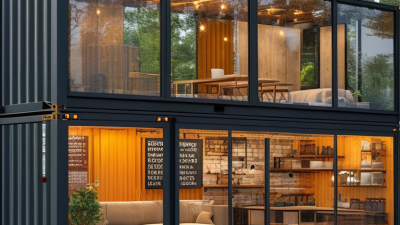

Set Technical, Legal, and Budget Requirements

How to Source Container Conversions in 2026?

Set technical requirements before contacting conversion suppliers. Define the container size, insulation rating, ventilation method, electrical load, plumbing needs, and intended occupancy. A simple floor plan with outlet locations prevents expensive revisions. Measure twice. Request material specifications, structural calculations, wiring diagrams, and inspection records. These documents show whether a proposal is engineered or merely attractive.

Legal requirements vary by location and use. Check zoning rules, building permits, fire safety standards, electrical certification, accessibility requirements, and transport limits with the relevant authorities. Ask suppliers how they document compliance. Do not assume a modified container is automatically approved for permanent use. A permit delay can damage the budget more than a higher construction quote. In practice, requirements are often unclear at the beginning, and that uncertainty deserves written clarification.

Tips: Separate the budget into conversion, delivery, site preparation, permits, taxes, and installation. Keep a contingency of at least 10–20 percent for hidden corrosion, unsuitable ground conditions, or redesigns. Compare detailed quotations, not headline prices. Require payment stages linked to measurable milestones, such as completed insulation or passed inspections. Visit a completed project if possible. Photos can hide poor sealing. A small mistake here can become a large repair later.

Find and Compare Qualified Conversion Suppliers

How to Source Container Conversions in 2026?

Finding qualified container conversion suppliers requires more than comparing online prices. Start with the intended use, location, occupancy, and delivery route. A reliable supplier should request these details before preparing a quotation. Ask for layout drawings, structural calculations, insulation specifications, and clear electrical and plumbing schedules. Vague promises are warning signs.

Compare suppliers with one written checklist. Review their experience with similar conversions, documented quality procedures, and completed project references. Request photos showing welds, door frames, roof seals, floor finishes, and service access points. Check whether independent inspectors verify structural work and electrical installations. Confirm the supplier understands local building, fire, transport, and accessibility requirements. Certifications help, but they do not replace practical inspection.

I have found that the lowest quotation often excludes foundations, crane lifting, internal connections, or final testing. Those missing lines can change the real cost quickly. Ask for a complete scope, payment stages, production milestones, warranty limits, and a process for design changes. A factory video call can reveal useful details, such as poor drainage around doors or unfinished insulation joints. It is not as strong as an in-person visit, but it is better than trusting polished photographs. Keep a comparison sheet, score each supplier consistently, and record every assumption. No scorecard is perfect. Delays, material substitutions, and small design errors still need active management.

Use standardized container dimensions as a baseline when comparing qualified conversion suppliers. Confirm that every quotation identifies the container format, external length, and height before evaluating structure, insulation, electrical systems, delivery time, and compliance documentation.

Verify Designs, Materials, Compliance, and Delivery Terms

How to Source Container Conversions in 2026?

Start with a design verification pack, not attractive renderings. Request structural calculations for removed panels, roof loads, lifting points, and floor capacity. Drawings are not proof. Confirm ventilation, condensation control, insulation thickness, emergency exits, and service access. ISO 668 defines container dimensions, while ISO 1496 covers performance requirements for freight containers. A conversion may need separate approval after cutting or welding. Ask an independent engineer to review the revised structure. In practice, a neat drawing can still hide a weak corner or an inaccessible drain.

Materials deserve equal scrutiny. Request steel grades, coating systems, insulation ratings, fire classifications, and certificates for electrical components. The IEA’s Buildings report states that buildings consume about 30% of global final energy, so poor insulation creates long-term operating costs. UNCTAD’s Review of Maritime Transport 2024 confirms that over 80% of world merchandise trade by volume moves by sea. This makes corrosion protection and lifting durability practical sourcing issues, not cosmetic preferences. Compliance must cover local building, fire, electrical, and workplace rules. Do not accept “international standard” without a named standard and test record.

Delivery terms should identify the exact site, unloading equipment, customs responsibility, insurance, inspection window, and remedy for damage. Use Incoterms 2020 carefully. A quoted freight price may exclude crane access, port storage, or final-mile permits. I would also require staged photographs and a factory acceptance inspection. That process is slower. It is usually cheaper than discovering a failed door seal after installation.

Inspect, Approve, and Maintain the Converted Container

Sourcing a converted container in 2026 requires more than comparing prices and floor plans. Inspect the unit before approving the purchase. Check the weld seams, corner castings, door seals, roof joints, and underside for corrosion. Fresh paint can hide repairs, so inspect edges and hidden surfaces carefully. The floor should feel firm, dry, and level underfoot. Measure internal dimensions yourself; drawings can contain small but costly errors.

Ask for material records, electrical test results, insulation details, and modification drawings. A qualified inspector should verify that structural cuts were reinforced correctly. Pay close attention to load paths around new windows, doors, and lifting points. Test lights, sockets, ventilation, locks, and water connections on site. Take dated photographs and record every defect, including minor condensation marks. Approval should depend on clear evidence, not confident promises. That is where many buyers become too optimistic.

Maintenance starts immediately after delivery. Keep roof drains clear, inspect seals after severe weather, and check exposed steel for bubbling paint or rust every few months. Moisture deserves special attention; a small damp patch can damage insulation and interior finishes. Schedule electrical and mechanical inspections according to local requirements. Review the container after relocation, because lifting and transport may loosen fittings or distort doors. My own checklist would never replace specialist judgment. It can still prevent overlooked details. A practical reserve for repairs is wise, even when the conversion appears finished.

Plug & Play Installation

Our installation services are top-notch, delivering modular systems for any application on time in plug & play condition. We leave nothing for you to figure out, set up, or fix. All you’ve to do is just step in, and get going with your business.

Dismantling & Reassembling

We hold a long-term view when we build modular rooms taking into consideration your changing needs. Whether it’s shifting your workspace to a new site, redesigning your unit to fit new requirements, or simply clearing the area at the end of the project, our Dismantling & Reassembling teams are pressed into service to get the job done in the quickest possible time and minimum resource wastage.

Interior Designing

Our interior designs combine both functional and aesthetic aspects to provide you with physical and emotional comfort. We ask you for your preferences and give the best possible solutions aligned to your tastes. Our units are built to be modern, stylish, and elegant.

Bespoke Solutions

We understand that every project is unique and therefore has a different set of requirements. That’s why we believe in customizing our solutions to fit individual needs. We are equipped with the right talents, technology, and skillset to offer bespoke modular units, without compromising on turnaround time or quality.

Aftersales Service

The benefits of choosing Containers ME continues long after the installation of the units as we provide aftersales service for as long as you need. All you have to do is sign the Annual Maintenance Contract (AMC) and enjoy technical support for all the maintenance-related issues. By signing the contract, you can rest assured that a highly professional team of dedicated staff are at your service all year round to attend to your needs.

Customized Container Solutions

We specialize in Customized Container Solutions designed to meet diverse needs across the UAE. Our offerings include customized modular containers that cater to various applications, from tailor-made container solutions to bespoke container designs.

Whether you’re looking for personalized container homes or custom modular containers, we have you covered. Our customized container offices provide functional workspaces, while our customized portable containers ensure flexibility on-site. Explore our range of custom container storage units and customized cargo containers to optimize your space.

We also offer custom container leasing and custom container fabrication services, along with customized sea containers designed for secure transport. For specialized needs, our specialized container modifications will help you create the perfect solution for your requirements in both Dubai and the broader UAE.

Get a quote

Get a quote