Blogs

What You Need to Know About Non-Standard Pressure Vessels?

Understanding the complexities of Non-Standard Pressure Vessels is vital for industry professionals. Dr. Sarah Thompson, a leading expert in pressure vessel design, states, "Non-standard vessels require a tailored approach to ensure safety and efficiency." This highlights the unique challenges these vessels present.

Non-Standard Pressure Vessels are not universally built. They vary greatly in design and application. Evaluating these vessels often involves understanding specific industry requirements and standards. Many engineers struggle with the customization processes involved. They must consider factors like material selection and stress analysis.

This field requires continuous learning. While there are guidelines, every project can introduce unexpected hurdles. The knowledge gathered can be invaluable, but it is essential to rely on real-world experience. Engineers must stay updated on innovations to enhance their understanding of Non-Standard Pressure Vessels. Ignoring industry changes can lead to serious oversights.
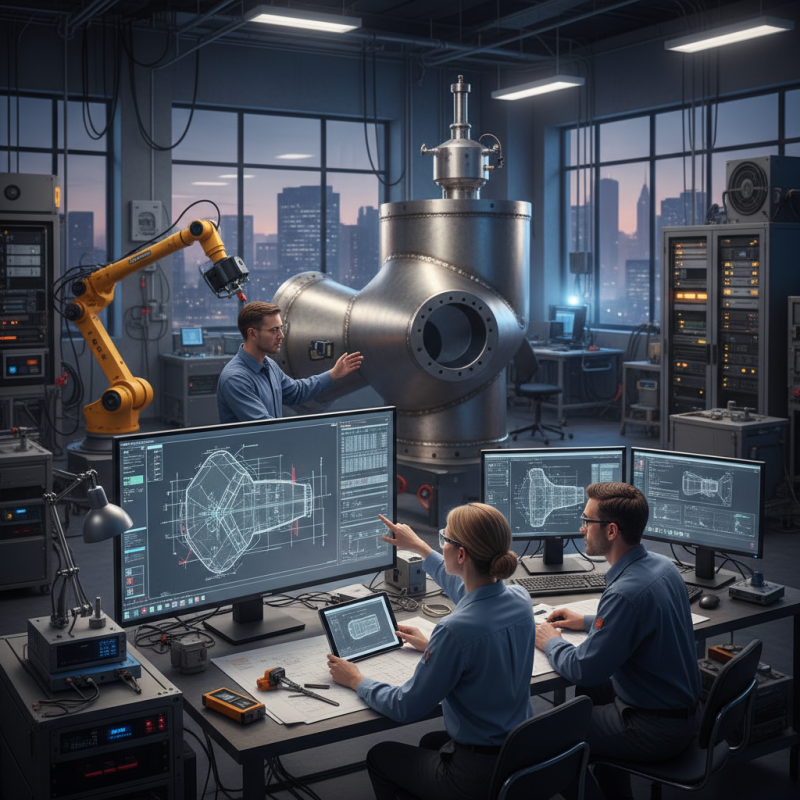
What You Need to Know About Non-Standard Pressure Vessels?

Types of Non-Standard Pressure Vessels and Their Applications

Non-standard pressure vessels are essential in various industries. They are designed to meet specific needs that standard vessels cannot satisfy. This uniqueness presents opportunities, but also challenges. Proper understanding of different types is crucial.

There are many types of non-standard pressure vessels. One common type is the storage tank, used for chemicals or fuels. These tanks come in various shapes and sizes. Another type is custom-made reactors, often employed in the pharmaceutical industry. They must withstand high pressures and temperatures. It’s vital to consider material selection carefully.

Applications vary widely. Aerospace industries require specialized vessels for storing gases under extreme conditions. In energy sectors, vessels store fluids at varying pressures. However, designing these vessels can be complicated. A lack of guidelines can lead to potential safety issues. Understanding these complexities is key to ensuring reliability and efficiency.

Non-Standard Pressure Vessels: Types and Applications

This bar chart displays the applications of various types of non-standard pressure vessels, illustrating their prevalence in different industries. Storage tanks and reactors are the most common, reflecting their critical roles in various processes.

Key Regulations and Standards Governing Non-Standard Pressure Vessels

Non-standard pressure vessels are treated differently than their standard counterparts. Key regulations exist to ensure safety and reliability. Various organizations establish guidelines to define acceptable construction and material standards. Countries may have specific requirements, making it essential for manufacturers to be well-informed.

The American Society of Mechanical Engineers (ASME) and the National Board of Boiler and Pressure Vessel Inspectors provide necessary frameworks. These organizations focus on materials, design, and testing procedures. Compliance with these regulations is vital. It minimizes risks and accidents. However, not every manufacturer fully understands or adheres to these standards, which sometimes leads to issues in safety.

Maintaining these vessels also requires diligence. Operators must be aware of potential weaknesses or failures. Regular inspections can highlight problems before they escalate. Yet, some facilities might overlook these check-ups due to time constraints or budget cuts. Recognizing the importance of adherence to regulations is crucial for preventing incidents and ensuring the safety of both personnel and equipment.

Material Considerations for Non-Standard Pressure Vessels in Construction

Material considerations for non-standard pressure vessels are crucial in construction. These vessels often require materials that can withstand high pressures and corrosive environments. Common materials used include carbon steel, stainless steel, and composites. Each material offers unique properties and challenges. For instance, carbon steel is affordable but may corrode without adequate treatment.

According to industry reports, around 30% of pressure vessel failures are due to material selection errors. This emphasizes the need for thorough evaluation. The design process sometimes overlooks the long-term performance of materials. Environmental factors, such as temperature fluctuations and chemical exposure, must be considered.

Experts stress that understanding these various materials leads to better decision-making. Inspections and maintenance plans are equally vital. Inadequate attention to material degradation can lead to catastrophic failures. A well-chosen material not only ensures safety but also prolongs the lifespan of the vessel. Taking time to assess and reflect on material properties can prevent costly mistakes.

Common Failure Modes and Safety Measures for Non-Standard Pressure Vessels

Non-standard pressure vessels are often found in industries requiring custom solutions. These vessels differ from standard designs in shape, size, and material. Understanding their common failure modes is essential for safety and reliability.

One common issue is fatigue cracking due to environmental stresses. These can arise from temperature fluctuations or pressure cycles. Corrosion is another concern, especially in aggressive environments. Regular inspections and maintenance are crucial. Pay attention to areas where corrosion might develop.

**Tips:** Use non-destructive testing (NDT) methods to detect early signs of fatigue or corrosion. Keep detailed records of inspections to identify patterns over time. Training staff on recognizing potential issues can also enhance safety.

Proper design and material selection play a significant role in longevity. Conducting a thorough risk assessment during the design phase helps mitigate potential failures. Still, human error can lead to oversights. Routine checks and staff training should not be underestimated.

**Tips:** Implement a robust safety protocol that includes regular training sessions. Use checklists to ensure that nothing is missed during inspections. Creating a safety-first culture can reduce risks significantly.

What You Need to Know About Non-Standard Pressure Vessels

Failure Mode Description Common Causes Safety Measures
Corrosion Degradation of material due to chemical reactions. Moisture, acids, or inappropriate materials. Regular inspections, protective coatings.
Fatigue Failure due to repeated stress over time. Cycles of pressure changes, vibration. Material selection, stress analysis.
Tensile Failure Failure due to excessive stretching of the material. Overpressure or material defect. Usage of pressure relief devices, proper maintenance.
Buckling Deformation under compressive loads. High internal pressure and slender design. Reinforcement and design review.
Sudden Rupture Instant breakage leading to hazardous situations. Overpressure or poor design. Pressure monitoring systems and failsafe valves.

Market Trends and Innovations in Non-Standard Pressure Vessel Design

Non-standard pressure vessels are gaining attention due to their unique designs and applications. Industries, from energy to pharmaceuticals, are driving innovations in this field. These vessels can be tailored to meet specific operational needs, offering flexibility that standard designs cannot provide. As the market evolves, manufacturers are focusing on enhancing safety and efficiency. Advanced materials and technologies are essential for these innovations.

Investing in custom designs can lead to significant long-term benefits. A well-designed vessel can improve performance and reduce operational costs. However, companies must weigh these benefits against potential risks. Understanding the regulatory landscape is crucial, as non-standard designs may face stricter scrutiny.

Tips for effective design include engaging with experienced engineers early in the process. Their expertise can guide material selection and structural integrity. Collaboration with regulatory bodies can streamline approvals and enhance reliability. Always prioritize safety and compliance in every design decision. Embrace innovation but ensure it aligns with industry standards.

Plug & Play Installation

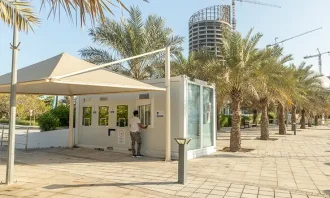
Our installation services are top-notch, delivering modular systems for any application on time in plug & play condition. We leave nothing for you to figure out, set up, or fix. All you’ve to do is just step in, and get going with your business.

Dismantling & Reassembling

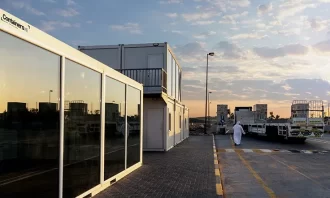
We hold a long-term view when we build modular rooms taking into consideration your changing needs. Whether it’s shifting your workspace to a new site, redesigning your unit to fit new requirements, or simply clearing the area at the end of the project, our Dismantling & Reassembling teams are pressed into service to get the job done in the quickest possible time and minimum resource wastage.

Interior Designing

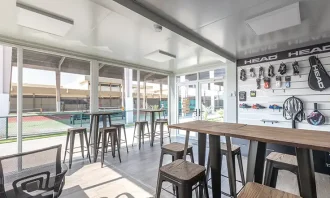
Our interior designs combine both functional and aesthetic aspects to provide you with physical and emotional comfort. We ask you for your preferences and give the best possible solutions aligned to your tastes. Our units are built to be modern, stylish, and elegant.

Bespoke Solutions

We understand that every project is unique and therefore has a different set of requirements. That’s why we believe in customizing our solutions to fit individual needs. We are equipped with the right talents, technology, and skillset to offer bespoke modular units, without compromising on turnaround time or quality.

Aftersales Service

The benefits of choosing Containers ME continues long after the installation of the units as we provide aftersales service for as long as you need. All you have to do is sign the Annual Maintenance Contract (AMC) and enjoy technical support for all the maintenance-related issues. By signing the contract, you can rest assured that a highly professional team of dedicated staff are at your service all year round to attend to your needs.

Customized Container Solutions

We specialize in Customized Container Solutions designed to meet diverse needs across the UAE. Our offerings include customized modular containers that cater to various applications, from tailor-made container solutions to bespoke container designs.

Whether you’re looking for personalized container homes or custom modular containers, we have you covered. Our customized container offices provide functional workspaces, while our customized portable containers ensure flexibility on-site. Explore our range of custom container storage units and customized cargo containers to optimize your space.

We also offer custom container leasing and custom container fabrication services, along with customized sea containers designed for secure transport. For specialized needs, our specialized container modifications will help you create the perfect solution for your requirements in both Dubai and the broader UAE.

Get a quote

Get a quote