
Blogs

What Is a Ph Analyser and How Does It Work?

A Ph Analyser is an essential instrument for measuring acidity or alkalinity in liquids. It converts hydrogen-ion activity into a readable pH value, usually on a scale from 0 to 14. In practice, the device combines a sensing electrode, a reference electrode, and an electronic meter. The glass bulb touches the sample, while the reference system provides a stable comparison point. This small difference creates the electrical signal shown on the display.

The process seems simple. It is not always simple. Temperature, contamination, air bubbles, and poor calibration can shift the result. A technician should normally calibrate the Ph Analyser with fresh buffer solutions, often at two or three known points. Temperature compensation also matters, especially when testing hot process water, chemical mixtures, or biological samples. A cloudy liquid may still produce a reliable reading, but a coated electrode may not. Details matter here.

In laboratories, water treatment facilities, food production sites, and manufacturing plants, accurate pH monitoring supports consistent quality and safer process control. Experienced operators inspect the electrode, rinse it with suitable water, and avoid wiping the glass aggressively. They also record calibration dates and unusual readings. That habit helps identify gradual sensor drift before it affects production decisions. A Ph Analyser is a valuable tool, but it does not replace sound sampling practice or professional judgment. Readings should be questioned when the sample appears unstable, the electrode responds slowly, or results conflict with other evidence. That small pause can prevent a large mistake.
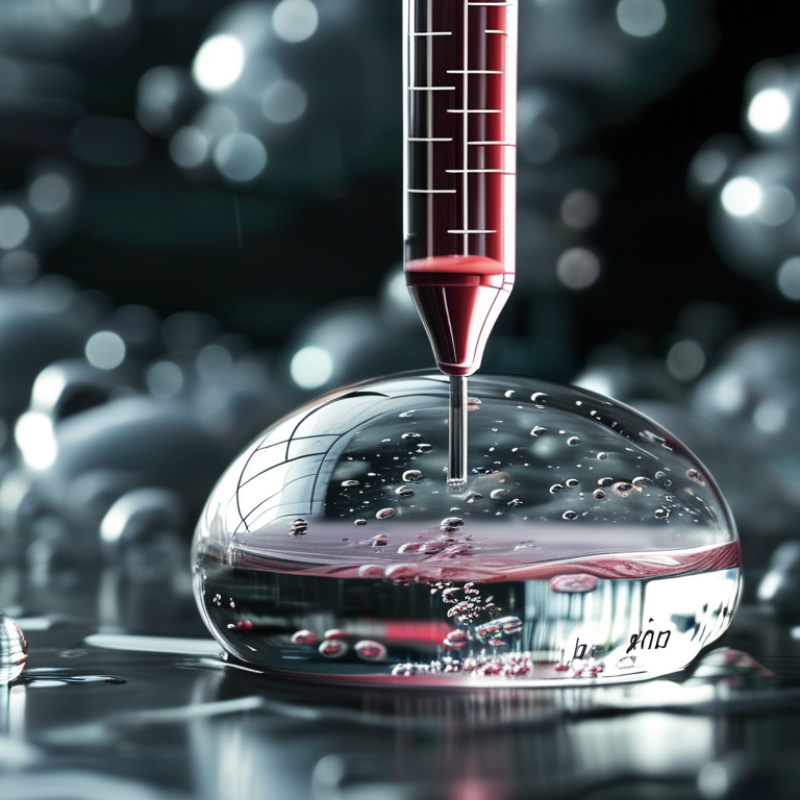
What Is a Ph Analyser and How Does It Work?

Defining a pH Analyser: The 0–14 Scale and Measurement Range

A pH analyser measures how acidic or alkaline a liquid is. Its familiar scale runs from 0 to 14. A reading of 7 is neutral at 25°C, while values below 7 indicate acidity. Values above 7 indicate alkalinity. The scale is logarithmic, not linear. A change of one pH unit represents roughly a tenfold change in hydrogen-ion activity. Lemon juice may appear near pH 2, while mild soap solutions can approach pH 10.

Most analysers combine a glass electrode with a reference electrode and a temperature sensor. The glass membrane develops an electrical potential when it contacts the sample. The instrument converts that signal into a pH value. ISO 10523 describes this measurement approach for water, while US EPA Method 150.1 supports electrode-based pH testing. Calibration commonly uses two or three certified buffer solutions, such as pH 4, 7, and 10. Small errors matter.

The 0–14 range is practical, but it is not an absolute limit. Strong industrial samples can fall outside this range, and electrode response may become less reliable near the extremes. Temperature also changes electrode behavior and sample chemistry. The US EPA Secondary Drinking Water Standards place drinking-water pH between 6.5 and 8.5. That figure is a guideline, not a universal target. In daily testing, dirty probes, weak calibration, and poor sample mixing can quietly distort results. The display looks precise. The measurement may not be.


Inside the Sensor: Glass Electrodes and the 59.16 mV/pH Nernst Slope

A pH analyser measures the electrical potential created by hydrogen-ion activity in a solution. Its sensing element is usually a thin glass membrane, paired with a stable reference electrode. When the membrane contacts water, hydrogen ions exchange with charged sites on the glass surface. This creates a voltage difference, not a direct reading of acidity.

At 25°C, the ideal Nernst response is 59.16 mV for each pH unit. The value comes from 2.303RT/F for a single-charge ion. The signal changes direction according to the electrode design. Temperature matters. The theoretical slope is about 58.17 mV/pH at 20°C and 60.15 mV/pH at 30°C. ISO 10523:2008 and ASTM E70 describe potentiometric pH measurement using glass electrodes. The IUPAC technical report on pH measurement also emphasizes activity, calibration, and traceable reference standards. That distinction matters. pH is not simply hydrogen-ion concentration.

Tips: Calibrate with fresh buffer solutions near the expected sample range. Rinse gently, then blot the glass bulb. Do not wipe it dry. Check the slope and offset, not only the displayed pH. A slope near 95–105% is commonly treated as practical, but the acceptable limit depends on the procedure. The 59.16 mV figure is a reference, not a promise. Aging glass, clogged junctions, temperature shifts, and dirty samples can reduce accuracy. In field work, I have seen a clean-looking probe respond slowly after protein contamination. That result deserves investigation, not blind recalibration.

How the Analyser Converts Voltage into pH at 25°C

A pH analyser measures acidity by reading a tiny electrical voltage from a glass electrode. The electrode contains a sensing membrane that responds to hydrogen ion activity in the sample. A separate reference electrode supplies a stable electrical potential. The analyser compares both signals, rather than measuring pH directly. This distinction matters.

At 25°C, the relationship follows the Nernst equation. Ideally, a one-unit pH change produces about 59.16 millivolts of voltage difference. The analyser detects this voltage and converts it into a pH value using the electrode’s calibration data. For example, a lower voltage may indicate a more alkaline or acidic condition, depending on the electrode wiring and reference design. The displayed result depends on the instrument’s configured polarity and calibration.

Calibration normally uses certified buffer solutions, commonly around pH 4, 7, and 10. The analyser calculates the slope and offset from these known points. Temperature compensation adjusts the theoretical slope because electrode response changes with temperature. It does not correct every chemical temperature effect in the sample. That limitation is often overlooked.

In practice, dirty membranes, clogged junctions, air bubbles, and unstable temperatures can distort the reading. Rinsing the probe between samples helps prevent carryover. Allowing the value to stabilize is also important. I have found that rushed measurements often look precise but remain unreliable. A perfect 25°C calculation is only an ideal reference, not a guarantee of field accuracy. Calibration records, buffer condition, and electrode age should be reviewed when results seem unusual.

Calibration Standards: pH 4.01, 7.00, and 10.01 Buffer Points

A pH analyser measures hydrogen-ion activity and converts it into a pH reading. Its glass electrode detects electrical potential, while the reference electrode completes the measuring circuit. The instrument then applies calibration data to estimate sample acidity or alkalinity. Temperature matters. Electrode response changes with temperature, so reliable analysers use automatic or manual temperature compensation.

Calibration commonly uses pH 4.01, 7.00, and 10.01 buffer points at 25°C. The neutral 7.00 buffer checks the middle of the measurement range. The 4.01 and 10.01 buffers verify acidic and alkaline response. EPA Method 150.1 describes calibration with standards that bracket the expected sample range. ISO 10523 also emphasizes traceable buffers, controlled temperature, and suitable electrode conditioning. A sample near pH 8 should not rely only on a pH 4.01 and 7.00 setup.

Rinse carefully.

Good practice includes rinsing with purified water, gently blotting the bulb, and avoiding vigorous wiping. Residual buffer can shift the next reading. NIST reference guidance shows that certified buffer values depend on temperature and composition, not just the printed label. This detail is easy to miss. A 7.00 buffer may not represent exactly 7.00 outside its stated temperature. Calibration should be repeated when readings drift, the electrode dries, or the sample matrix changes. In real laboratories, rushed rinsing remains a common weakness. Better records should include buffer lot, temperature, slope, offset, and calibration time.

What Is a pH Analyser and How Does It Work?

A pH analyser measures the acidity or alkalinity of a liquid using a glass electrode and a reference electrode. Before measurement, the instrument is calibrated with certified buffer solutions at known pH values.

Calibration standards: pH 4.01 represents an acidic solution, pH 7.00 is neutral at 25°C, and pH 10.01 represents an alkaline solution. The analyser uses these reference points to calculate the electrode’s slope and offset before testing unknown samples.

Selecting Accuracy, Temperature Compensation, and ISO 10523 Compliance

A pH analyser measures the acidity or alkalinity of a liquid. It usually combines a glass electrode, reference electrode, temperature sensor, and display unit. When immersed, the electrode creates a voltage related to hydrogen-ion activity. The analyser converts that signal into a pH value. The process looks simple. Accuracy is not.

Accuracy begins with proper calibration and sample handling. Use fresh, certified buffer solutions, often at two or three points. Rinse the electrode with purified water, then blot it gently. Do not wipe the glass bulb. Small droplets can dilute the sample and change the result. Temperature compensation adjusts the electrode’s response as temperature changes. However, it does not remove every chemical effect of temperature on the sample itself. That distinction is easy to miss. A reading of 7.00 at 25°C may not represent the same chemistry at another temperature.

For testing aligned with ISO 10523, equipment selection should support controlled measurement and clear records. The standard describes the electrometric determination of pH in water samples. A meter alone does not guarantee compliance. Operators should record calibration details, sample temperature, electrode condition, and stabilization time. Select an analyser with suitable resolution, a reliable temperature probe, and an electrode designed for the sample matrix. Wastewater, drinking water, and high-salt samples can behave differently. Even a stable display may be wrong if the junction is blocked. This is where routine checks matter, although they are often skipped when work feels repetitive.

Plug & Play Installation

Our installation services are top-notch, delivering modular systems for any application on time in plug & play condition. We leave nothing for you to figure out, set up, or fix. All you’ve to do is just step in, and get going with your business.

Dismantling & Reassembling

We hold a long-term view when we build modular rooms taking into consideration your changing needs. Whether it’s shifting your workspace to a new site, redesigning your unit to fit new requirements, or simply clearing the area at the end of the project, our Dismantling & Reassembling teams are pressed into service to get the job done in the quickest possible time and minimum resource wastage.

Interior Designing

Our interior designs combine both functional and aesthetic aspects to provide you with physical and emotional comfort. We ask you for your preferences and give the best possible solutions aligned to your tastes. Our units are built to be modern, stylish, and elegant.

Bespoke Solutions

We understand that every project is unique and therefore has a different set of requirements. That’s why we believe in customizing our solutions to fit individual needs. We are equipped with the right talents, technology, and skillset to offer bespoke modular units, without compromising on turnaround time or quality.

Aftersales Service

The benefits of choosing Containers ME continues long after the installation of the units as we provide aftersales service for as long as you need. All you have to do is sign the Annual Maintenance Contract (AMC) and enjoy technical support for all the maintenance-related issues. By signing the contract, you can rest assured that a highly professional team of dedicated staff are at your service all year round to attend to your needs.

Customized Container Solutions

We specialize in Customized Container Solutions designed to meet diverse needs across the UAE. Our offerings include customized modular containers that cater to various applications, from tailor-made container solutions to bespoke container designs.

Whether you’re looking for personalized container homes or custom modular containers, we have you covered. Our customized container offices provide functional workspaces, while our customized portable containers ensure flexibility on-site. Explore our range of custom container storage units and customized cargo containers to optimize your space.

We also offer custom container leasing and custom container fabrication services, along with customized sea containers designed for secure transport. For specialized needs, our specialized container modifications will help you create the perfect solution for your requirements in both Dubai and the broader UAE.

Get a quote

Get a quote



