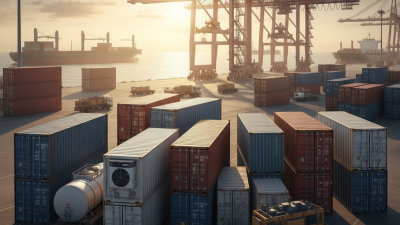
Sea containers play a crucial role in global trade and logistics. They are durable metal boxes designed to transport goods efficiently. Each sea container can hold a significant amount of cargo while providing protection from the elements. This functionality makes them essential for shipping industries.
Many businesses rely on sea containers to move products internationally. The standard sizes, typically 20 and 40 feet, make them easy to stack and transport. However, the process is not without challenges. Containers can become damaged during transit, leading to potential loss of goods. Additionally, securing cargo properly inside these containers is vital to prevent shifting.
Despite their advantages, sea containers can be mismanaged. Not all importers invest in quality inspection. This oversight can lead to issues down the line, such as delays or damaged goods. A balanced approach toward their use is necessary for successful operations. Understanding the complexities of sea containers helps businesses navigate shipment effectively.
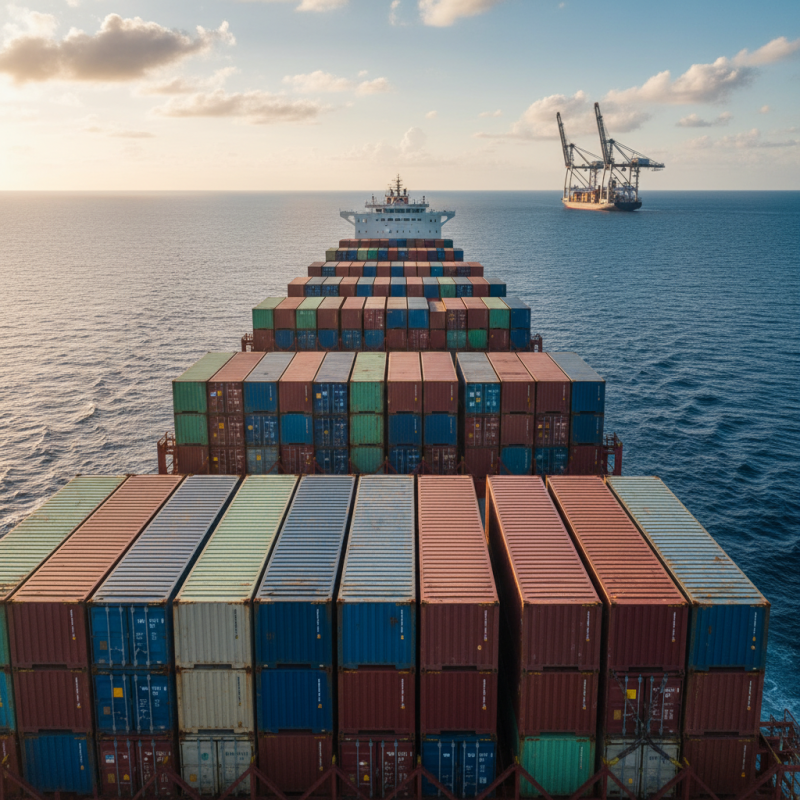
A sea container is a standard shipping unit. It is typically made of steel or aluminum. These containers come in various sizes, with 20-foot and 40-foot options being the most common. They provide a secure and efficient way to transport goods across oceans. Their robust design allows them to withstand harsh environmental conditions.
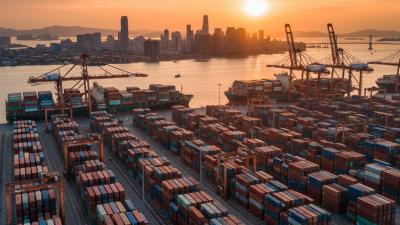
These containers can hold different products, from electronics to clothing. Many businesses rely on sea containers for international trade. Loading and unloading can be done with cranes, making the process quick. However, the process is not always perfect. Sometimes, containers may get damaged during transit. Proper handling is crucial to avoid losses.
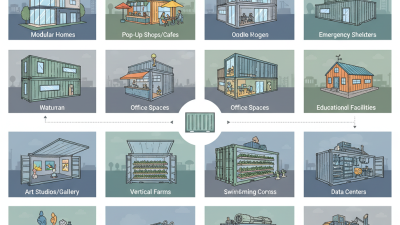
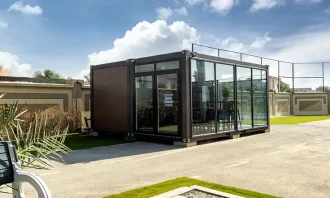
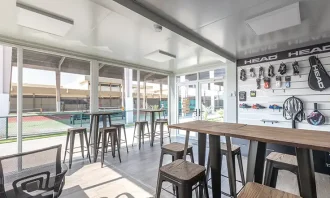
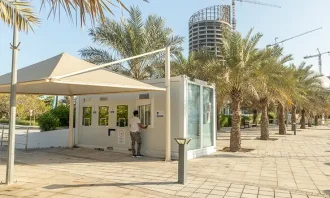
Sea containers are also used for storage. People convert them into homes or offices, showcasing their versatility. However, there are challenges. Some locations have zoning laws against container modifications. Others may not have the infrastructure to handle container transport efficiently. These factors require careful consideration for those looking to use sea containers effectively.
| Dimension | Specification | Usage | Material |
|---|---|---|---|
| 20ft Container | Length: 20 ft, Width: 8 ft, Height: 8.5 ft | Ideal for shipping smaller goods | Steel |
| 40ft Container | Length: 40 ft, Width: 8 ft, Height: 8.5 ft | Used for larger shipments | Steel |
| 40ft High Cube Container | Length: 40 ft, Width: 8 ft, Height: 9.5 ft | Extra space for tall cargo | Steel |
| Reefer Container | Temperature-controlled container | Transport perishable goods | Steel and insulation materials |
| Open Top Container | Open top for tall cargo | Transport machinery and oversized goods | Steel |
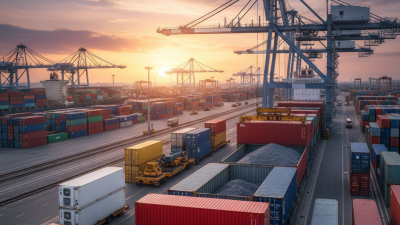
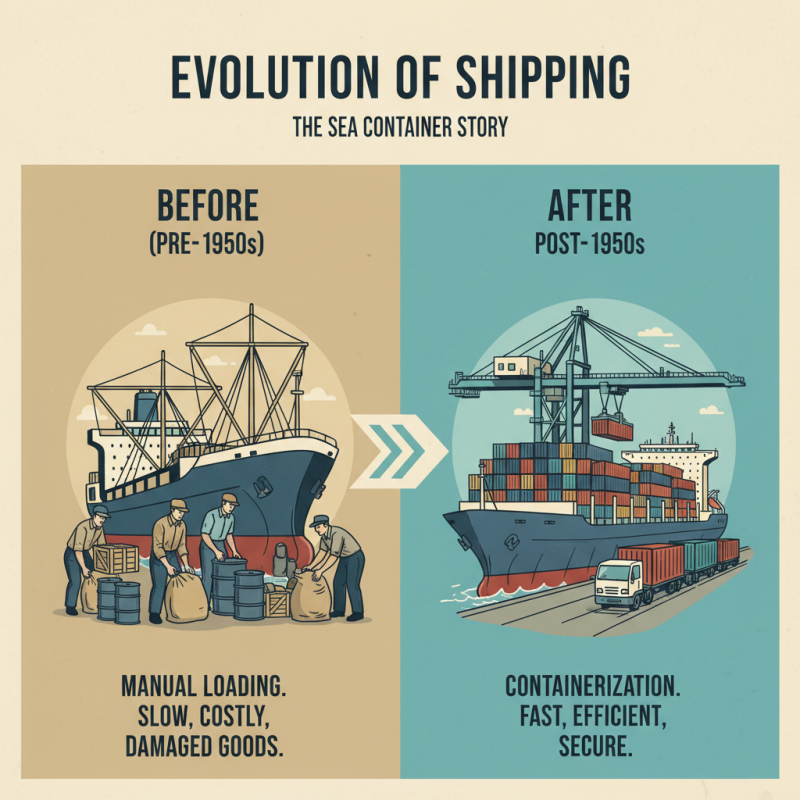
The history of sea containers dates back to the 1950s. Prior to this, shipping goods was inefficient. Each item was loaded and unloaded by hand, which took a lot of time. This method was labor-intensive and costly. It often led to damage and loss of goods.
The idea of intermodal containers emerged from the need for better efficiency. A man named Malcolm McLean is often credited with this innovation. He designed a large metal box that could be moved easily from truck to ship. This design changed the shipping industry forever. By standardizing container sizes, shipping became faster and safer.
Despite these advances, some challenges remain. Containers are sometimes not utilized efficiently. Ports can become congested due to delays. Additionally, the environmental impact of container shipping is a concern. With these issues, the industry must reflect and adapt. Finding more sustainable practices is essential for the future of global shipping.
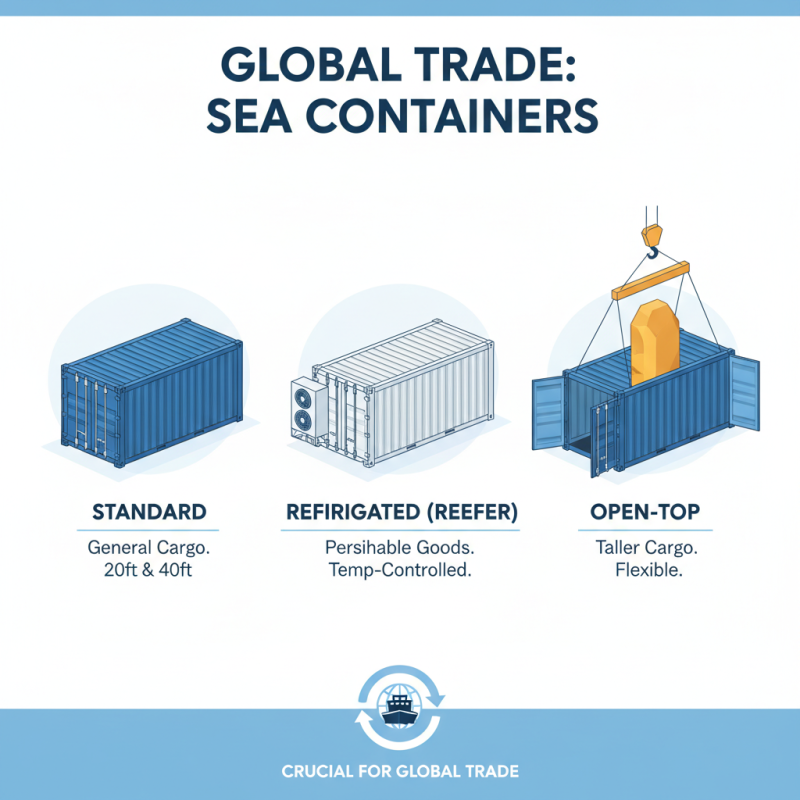
Sea containers play a crucial role in global trade. They come in various types and sizes, catering to different shipping needs. The most common types include standard containers, refrigerated containers, and open-top containers. Standard containers are typically 20 or 40 feet long. They are perfect for general cargo. Refrigerated containers, or reefers, maintain a specific temperature for perishable goods. Open-top containers allow for taller cargo items, making them flexible for unusual shipments.
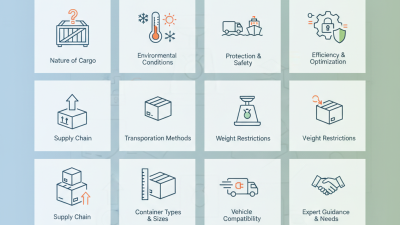
Specifications vary across container types. For instance, a standard 40-foot container has a capacity of about 2,390 cubic feet. It's essential for transport efficiency. However, not all containers are built the same. Some might have wear and tear from previous voyages. Inspections are necessary to ensure cargo safety. Different containers also come with weight limits, influencing how goods are loaded. Understanding these specifications helps businesses choose the right container for their needs. Environmental factors, like corrosion, can affect container durability over time. Making informed decisions about container selection can significantly impact logistical success.
Sea containers play a critical role in global trade. According to the International Maritime Organization, approximately 90% of the world's goods are transported by sea. These containers offer a streamlined way to ship products across continents, ensuring safety and efficiency. Each container can carry large volumes and protect contents from damage. This versatility is crucial.
The use of sea containers is not without challenges. Many ports experience congestion, delaying shipments. Container shortages can occur, especially during peak seasons. Additionally, environmental concerns arise from shipping practices. The carbon footprint of maritime transport is significant, accounting for nearly 2-3% of global greenhouse gas emissions. Stakeholders must find ways to mitigate this impact.
Many businesses rely on sea containers for trade. In 2022, over 200 million TEUs (twenty-foot equivalent units) were shipped worldwide. However, the ongoing demand versus supply imbalance raises questions. Are we prepared for future growth? Can we innovate sustainably? These issues require reflection and action from all parties involved in the global supply chain.
Sea containers have transformed the shipping and logistics industry significantly. These robust, standardized units enable efficient transport across the globe. According to a report by the International Maritime Organization, around 90% of world trade is carried by sea. This statistic underscores the importance of sea containers in facilitating trade.
In terms of logistic efficiency, sea containers maximize space usage. They allow for stacking and secure transport. However, issues arise with container availability. A shortage can disrupt supply chains, as seen during the recent pandemic. The World Shipping Council reported that congestion in ports increased by over 50% in some regions. Additionally, environmental concerns have emerged. The shipping industry contributes nearly 3% of global greenhouse gas emissions. Addressing this challenge is crucial for a sustainable future.
Despite the undeniable benefits, reliance on sea containers poses risks. Their standardization may limit flexibility. Companies require diverse shipping options to adapt quickly. Innovation in logistics is needed as the industry evolves. New technologies could enhance tracking and reduce waste. Rethinking logistic strategies will support a more resilient shipping environment.
Subscribe to our newsletter for the latest news and exclusive offers.
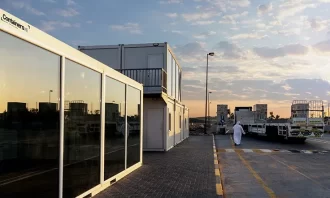
We hold a long-term view when we build modular rooms taking into consideration your changing needs. Whether it’s shifting your workspace to a new site, redesigning your unit to fit new requirements, or simply clearing the area at the end of the project, our Dismantling & Reassembling teams are pressed into service to get the job done in the quickest possible time and minimum resource wastage.
We understand that every project is unique and therefore has a different set of requirements. That’s why we believe in customizing our solutions to fit individual needs. We are equipped with the right talents, technology, and skillset to offer bespoke modular units, without compromising on turnaround time or quality.
The benefits of choosing Containers ME continues long after the installation of the units as we provide aftersales service for as long as you need. All you have to do is sign the Annual Maintenance Contract (AMC) and enjoy technical support for all the maintenance-related issues. By signing the contract, you can rest assured that a highly professional team of dedicated staff are at your service all year round to attend to your needs.
We specialize in Customized Container Solutions designed to meet diverse needs across the UAE. Our offerings include customized modular containers that cater to various applications, from tailor-made container solutions to bespoke container designs.
Whether you’re looking for personalized container homes or custom modular containers, we have you covered. Our customized container offices provide functional workspaces, while our customized portable containers ensure flexibility on-site. Explore our range of custom container storage units and customized cargo containers to optimize your space.
We also offer custom container leasing and custom container fabrication services, along with customized sea containers designed for secure transport. For specialized needs, our specialized container modifications will help you create the perfect solution for your requirements in both Dubai and the broader UAE.