Blogs

Top Tips for Managing Industrial Solid Waste Effectively?

Managing Industrial Solid Waste is a critical challenge for modern industries. James Thompson, an expert in waste management, once said, "Effective waste management transforms liabilities into assets." This highlights the significance of viewing industrial solid waste not merely as a burden but as a potential resource.

Industries generate large volumes of solid waste daily. This waste can include packaging materials, scrap metal, and chemical residues. Proper management practices can significantly reduce environmental impact. Many companies are adopting innovative techniques to recycle and repurpose waste. This approach not only protects the environment but also enhances operational efficiency.

However, the road to effective management is fraught with challenges. Not all industries have the resources or expertise to handle waste properly. There is a need for continuous improvement and education in the field of industrial solid waste management. Emphasizing best practices can lead to long-term sustainability and compliance with regulations. The journey is ongoing, but the benefits of effective industrial solid waste management are clear.
Top Tips for Managing Industrial Solid Waste Effectively?

Understanding Industrial Solid Waste and Its Importance

Industrial solid waste consists of undesired materials generated by manufacturing processes. This waste can include metals, plastics, paper, and hazardous substances. Effectively managing this waste is crucial for environmental sustainability and resource conservation. Understanding the composition and impact of industrial waste is essential for businesses to adopt responsible practices.

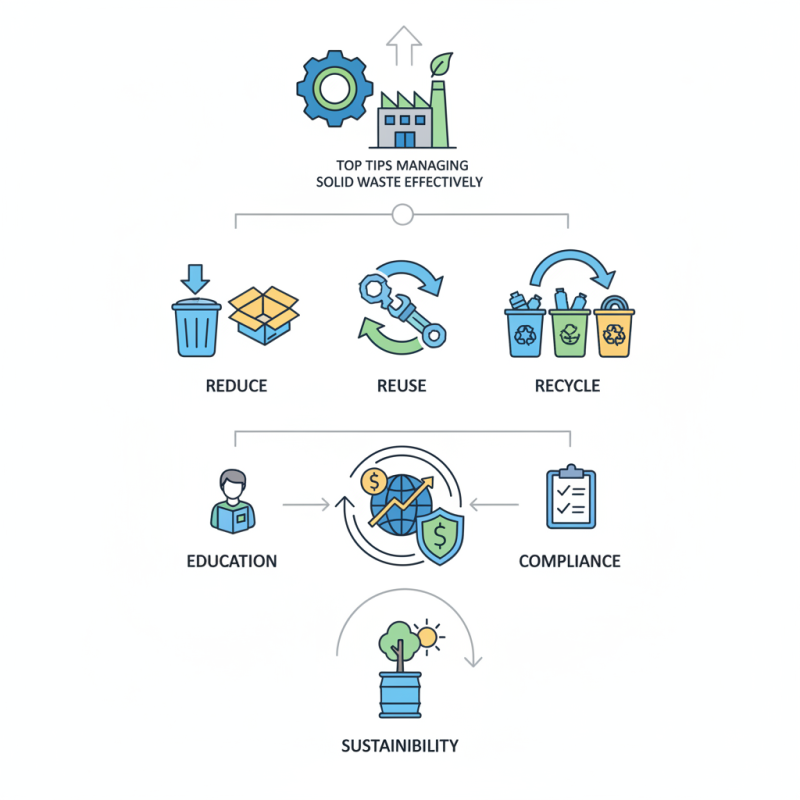
One effective tip is to conduct regular waste audits. These audits help identify the types and quantities of waste produced. By knowing what you generate, you can develop tailored strategies for reduction and recycling. Another strategy is to implement a waste minimization plan. This plan should focus on reducing waste at the source. Simple changes, like modifying production processes or optimizing raw material use, can lead to significant reductions.

Engaging employees in waste management efforts can create a culture of responsibility. Training sessions and workshops can raise awareness about the value of proper waste handling. When workers understand the importance of their role in managing waste, they often take pride in their contributions. Making waste management a shared goal helps foster teamwork and innovation.

Identifying Common Sources of Industrial Solid Waste

Industrial solid waste comes from various sources within manufacturing and production processes. Understanding these sources is crucial for effective management. Factories produce waste like scrap metal, plastics, and chemicals. Each type poses unique challenges for disposal and recycling.

Many industries overlook packaging waste. Cardboard, plastic wrap, and pallets can accumulate quickly. Sometimes, recycling programs are not utilized. This waste often ends up in landfills. Companies should regularly audit their packaging processes to identify opportunities for reduction. Implementing efficient packaging solutions can lead to significant waste decreases.

Another common source is maintenance activities. Unused machinery and outdated equipment contribute to solid waste. Sometimes, businesses fail to track their assets properly. Disposing of these materials responsibly can save costs. Training employees on efficient waste management practices is essential. Permitting them to share ideas encourages engagement and innovation.

Top Tips for Managing Industrial Solid Waste Effectively

Implementing Effective Waste Minimization Strategies

Effective waste minimization strategies are crucial for managing industrial solid waste. Industries generate a significant amount of solid waste; thus, adopting targeted methods can lead to meaningful changes. One approach involves the identification of major waste sources. Understanding where waste is generated helps focus efforts on reduction.

Another essential strategy is promoting recycling and reuse within operations. For example, businesses can implement material recovery facilities to sort and process waste streams. Educating employees about waste separation can foster a culture of sustainability. However, many organizations struggle to maintain consistent recycling practices. It is vital to regularly assess these efforts to identify gaps in compliance and participation.

Engaging suppliers can also enhance waste management. Collaborating with them to reduce packaging or switch to reusable materials can cut down waste generation significantly. However, this may require a cultural shift and substantial commitment. Continuous evaluation of these strategies is necessary to ensure they remain effective. Adjustments must be made based on feedback and changing operational needs.

Adopting Recycling and Reuse Practices in Industries

In today’s industrial world, effective management of solid waste is crucial. Adopting recycling and reuse practices can significantly reduce waste. Industries can benefit from incorporating simple yet effective strategies.

Encourage employees to identify materials that can be reused. For example, scrap metal from manufacturing could be melted and reformed. This practice not only cuts costs but also promotes sustainability. Consider setting up a dedicated area for collecting recyclable materials. This makes it easier for workers to participate.

Conduct regular audits. These evaluations help in understanding waste generation patterns. They reveal opportunities for improvement. Set measurable goals for recycling rates. Tracking progress provides insight into what works and what doesn't. Mistakes will happen, and that's part of the learning process. Acknowledge areas needing improvement regularly.

Education is essential. Providing training sessions on the importance of recycling ensures all employees are on board. Share success stories within your organization to inspire a culture of sustainability. When everyone understands their role, the impact can be significant. Embrace the journey of improvement, even when faced with challenges.

Top Tips for Managing Industrial Solid Waste Effectively

Waste Type Quantity Generated (tons/year) Recycling Rate (%) Reuse Opportunities Treatment Method
Plastic Waste 500 60 Refilling Containers Recycling
Metal Scrap 300 80 Structural Use Recycling
Paper Waste 400 70 New Packaging Products Recycling
Electronic Waste 200 50 Parts Recovery Recycling
Food Waste 100 0 Composting Composting

Ensuring Compliance with Regulations and Best Practices

Managing industrial solid waste requires a keen understanding of regulations. Compliance is not just about adhering to local laws, but also about implementing best practices. Industry professionals must consistently educate themselves about relevant regulations. Regular training ensures that everyone knows the latest standards and protocols.

Proper waste segregation is essential. Different waste types require different handling methods. For example, hazardous materials need distinct disposal procedures. Workers should be regularly reminded about these classifications. A lack of clarity can lead to serious consequences. Keeping accurate records of waste management activities is also crucial. This documentation supports compliance during inspections and audits.

Many companies face challenges in fully complying with regulations. Insufficient resources or inadequate training can create gaps. Reflecting on these shortcomings is vital for growth and improvement. Organizations should foster a culture of compliance, emphasizing responsibility at all levels. Involving all staff in waste management discussions often leads to better practices. This collaborative approach not only ensures compliance but also cultivates a more responsible workforce.

Plug & Play Installation

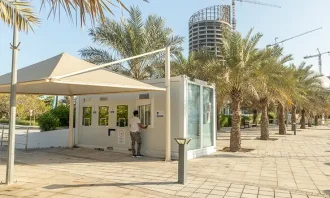
Our installation services are top-notch, delivering modular systems for any application on time in plug & play condition. We leave nothing for you to figure out, set up, or fix. All you’ve to do is just step in, and get going with your business.

Dismantling & Reassembling

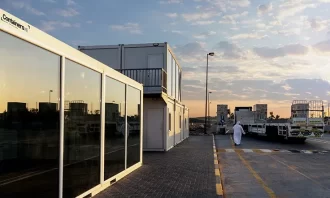
We hold a long-term view when we build modular rooms taking into consideration your changing needs. Whether it’s shifting your workspace to a new site, redesigning your unit to fit new requirements, or simply clearing the area at the end of the project, our Dismantling & Reassembling teams are pressed into service to get the job done in the quickest possible time and minimum resource wastage.

Interior Designing

Our interior designs combine both functional and aesthetic aspects to provide you with physical and emotional comfort. We ask you for your preferences and give the best possible solutions aligned to your tastes. Our units are built to be modern, stylish, and elegant.

Bespoke Solutions

We understand that every project is unique and therefore has a different set of requirements. That’s why we believe in customizing our solutions to fit individual needs. We are equipped with the right talents, technology, and skillset to offer bespoke modular units, without compromising on turnaround time or quality.

Aftersales Service

The benefits of choosing Containers ME continues long after the installation of the units as we provide aftersales service for as long as you need. All you have to do is sign the Annual Maintenance Contract (AMC) and enjoy technical support for all the maintenance-related issues. By signing the contract, you can rest assured that a highly professional team of dedicated staff are at your service all year round to attend to your needs.

Customized Container Solutions

We specialize in Customized Container Solutions designed to meet diverse needs across the UAE. Our offerings include customized modular containers that cater to various applications, from tailor-made container solutions to bespoke container designs.

Whether you’re looking for personalized container homes or custom modular containers, we have you covered. Our customized container offices provide functional workspaces, while our customized portable containers ensure flexibility on-site. Explore our range of custom container storage units and customized cargo containers to optimize your space.

We also offer custom container leasing and custom container fabrication services, along with customized sea containers designed for secure transport. For specialized needs, our specialized container modifications will help you create the perfect solution for your requirements in both Dubai and the broader UAE.

Get a quote

Get a quote