Blogs

Top 10 Types of Container Solutions for Global Buyers

Selecting the right container can shape an entire international supply chain. A food exporter may need insulated walls, while a machinery buyer may require reinforced flooring and wide doors. These differences make container solutions more than simple storage choices. They affect loading speed, cargo protection, transport costs, and delivery reliability.

This guide introduces ten widely used container types for global buyers. It considers dry containers, refrigerated units, open-top designs, flat racks, tank containers, and specialized options. Each type serves a different operational purpose. Practical selection should begin with cargo dimensions, weight, route conditions, handling equipment, and expected climate exposure. A 40-foot unit may offer more capacity, but a 20-foot container can work better where port access is limited.

Details matter.

Experienced procurement teams should request accurate specifications, material information, inspection records, and clear supplier references. They should also verify door dimensions, payload limits, corrosion protection, flooring condition, and compatibility with standard lifting equipment. International standards and destination requirements can influence the final choice, so professional review remains important.

The lowest quote is not always the safest decision. A damaged floor or weak seal can create expensive delays. Even experienced buyers can overlook ventilation needs or seasonal temperature changes. This guide cannot replace route-specific engineering advice, and some recommendations may require further review. Still, it offers a practical starting point for comparing container solutions with greater confidence, consistency, and attention to real shipping conditions.
Top 10 Types of Container Solutions for Global Buyers

Understanding Container Solutions and Global Buyer Requirements

Top 10 Types of Container Solutions for Global Buyers

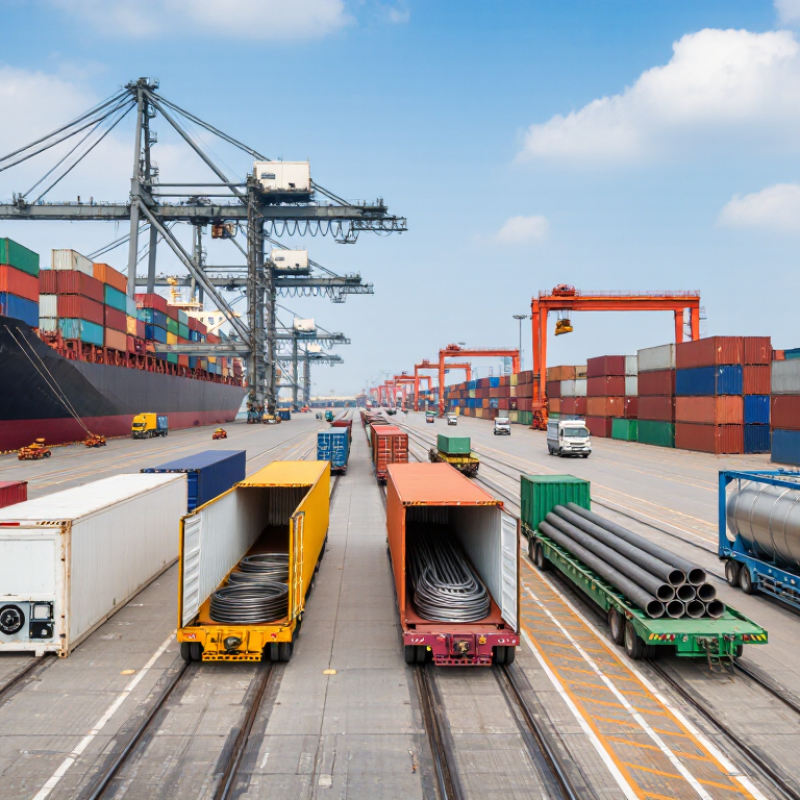
Understanding container solutions starts with the cargo, route, and handling environment. Standard dry containers suit packaged goods and general freight. Refrigerated units protect temperature-sensitive products during long journeys. Open-top containers help load tall machinery, while flat racks support oversized equipment. Tank containers carry approved liquids under controlled conditions. Other options include side-opening, insulated, ventilated, and platform containers. Each design solves a different operational problem.

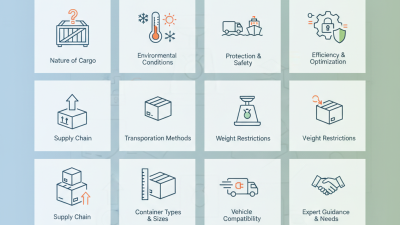
Experienced buyers check more than external dimensions. They review internal measurements, payload limits, door clearance, floor strength, and stacking requirements. A buyer shipping ceramic components may need moisture protection and shock-resistant packing. A machinery exporter may need lifting points and an open loading roof. Climate also matters. Salt air, extreme heat, and rough inland roads can expose weak maintenance quickly. Small details matter.

Ask suppliers for inspection records, material specifications, cleaning certificates, and clear photographs. Confirm the container’s condition before payment or dispatch. Local handling equipment must match the selected unit. Otherwise, a suitable container can become an expensive delay. I have learned that a perfect specification rarely survives the first shipment. Route changes, port equipment, and seasonal demand can alter the decision. This is where careful communication and documented checks protect the buyer. Some assumptions will still be wrong. Review them after delivery, and improve the next purchase.

Standard Shipping Containers for General Cargo Transport

Standard shipping containers remain a dependable choice for global buyers moving general cargo. They are commonly available in 20-foot and 40-foot lengths. High-strength steel walls protect cartons, machinery, furniture, and packaged materials during handling. The enclosed structure also limits exposure to rain, dust, and sunlight.

In practical loading operations, condition matters as much as size. Inspect the doors, locking rods, roof, floor, and corner fittings before booking. Look for daylight through the panels. Check for damp smells, oil stains, rust holes, and damaged timber flooring. A clean, dry interior reduces avoidable cargo claims. The container’s identification plate should be readable, and its inspection status should support international transport requirements.

Cargo weight must stay within the container’s rated limits. Distribution is important. Heavy items belong low and near the center, while gaps need suitable blocking or securing materials. Cartons should not press against the doors. Moisture-sensitive cargo may need liners, desiccants, or ventilation planning. Small oversights can become expensive. Even experienced teams sometimes underestimate condensation risks. That deserves a second check.

Standard units are not perfect for every shipment. Oversized, temperature-sensitive, or unusually heavy cargo may require another container type. Buyers should compare internal dimensions, door openings, payload limits, inspection records, and local handling conditions before confirming an order. Clear photographs and written condition reports make supplier communication more reliable.

Top 10 Container Solutions for Global Buyers

Typical payload capacity of widely used ISO container solutions for general cargo, specialized cargo, and temperature-controlled transport. Actual payload depends on container tare weight, cargo distribution, and local road or rail limits.

Figures shown are representative industry specifications in metric tonnes and may vary by container design and certification.

Specialized Containers for Temperature-Sensitive and Hazardous Goods

Specialized containers protect cargo when ordinary shipping equipment cannot control temperature, moisture, or exposure risks. For chilled products, refrigerated containers maintain stable ranges, often between 2°C and 8°C. Frozen cargo may require settings below -20°C. Insulated containers offer simpler protection during shorter journeys. Active temperature-controlled units provide stronger control, but they need reliable power and regular monitoring.

Hazardous goods require more than a strong outer box. Approved containers may include leak-resistant interiors, pressure relief features, fire-resistant materials, and clear handling labels. Separation systems prevent incompatible substances from contacting each other. Ventilation can also matter. Poor airflow may create dangerous pressure or temperature changes. Buyers should verify container specifications against the cargo classification and destination requirements.

I have seen delays caused by overlooked transfer points. A container can perform well at sea but struggle during a hot warehouse stop. Data loggers, alarm records, and inspection photos provide useful evidence. They also reveal problems that visual checks miss. My early assumption was that thicker insulation always meant better protection. It was not that simple. Door openings, battery life, loading patterns, and route climate often matter more. No single design fits every shipment. Buyers should test the complete journey, including customs holds and final delivery, before selecting a large fleet of units.

Flexible Containers for Storage, Bulk Materials, and Modular Use

Top 10 Types of Container Solutions for Global Buyers

Flexible containers now support storage, bulk materials, and modular use across many supply chains. UNCTAD’s Review of Maritime Transport 2024 reports that over 80% of global merchandise trade moves by sea. This scale makes space efficiency, handling speed, and cargo protection essential. Flexible intermediate bulk containers, woven bulk bags, liquid liners, collapsible tanks, pallet boxes, and modular storage units can reduce empty-volume waste. Some models carry 500 to 2,000 kilograms, depending on fabric, design, and certification. They are practical for powders, granules, liquids, temporary storage, and controlled workspaces.

A good solution starts with the material, not the container shape. Check moisture sensitivity, discharge requirements, lifting points, stacking height, and storage temperature. The World Bank’s Logistics Performance Index 2023 highlights timeliness as a key logistics performance factor. Small packaging delays can therefore create larger operational costs. A liner may protect dry goods, but it can also increase static risk or complicate recycling. That detail is easy to miss. Product drawings should be reviewed with loading teams, warehouse staff, and compliance specialists before purchase.

Tips: Request test reports, safe working load data, and cleaning instructions. Confirm whether the container is reusable or single-trip. Measure doorways, pallets, forklifts, and shelf clearances. Do not assume a standard size fits every route. Field conditions often disagree with neat specifications. Track damage, filling time, and unloading time during a pilot shipment, then revise the design.

Comparing Container Types by Cost, Compliance, and Logistics Needs

Top 10 Types of Container Solutions for Global Buyers

Comparing Container Types by Cost, Compliance, and Logistics Needs

Global buyers often compare ten options: standard dry, high-cube, refrigerated, insulated, open-top, flat-rack, tank, side-opening, collapsible, and swap-body containers. Standard dry units usually offer the lowest purchase and freight costs. High-cube models provide extra volume, but port fees and inland clearance can vary. Refrigerated units protect temperature-sensitive cargo, yet electricity use, inspections, and maintenance raise total costs.

Open-top containers suit machinery that cannot fit through standard doors. Flat-racks handle oversized equipment, but securing plans require precise measurements and stronger lashing points. Tank containers need certified construction, compatible materials, and documented cleaning records. Compliance is not a paperwork detail. Container markings, weight declarations, cargo securing, and inspection dates can affect border release.

In procurement reviews, buyers should compare landed cost rather than the quoted unit price. A cheaper container may create detention charges when unloading is slow. Side-opening units improve warehouse access, while collapsible models save return-trip space, if folding procedures are followed correctly. Swap bodies can support road and rail networks, but they may not suit every port route. Our first cost estimate was imperfect because we ignored seasonal equipment shortages. That mistake still matters. Route availability, local handling skills, insurance terms, and inspection evidence deserve equal attention before booking.

Plug & Play Installation

Our installation services are top-notch, delivering modular systems for any application on time in plug & play condition. We leave nothing for you to figure out, set up, or fix. All you’ve to do is just step in, and get going with your business.

Dismantling & Reassembling

We hold a long-term view when we build modular rooms taking into consideration your changing needs. Whether it’s shifting your workspace to a new site, redesigning your unit to fit new requirements, or simply clearing the area at the end of the project, our Dismantling & Reassembling teams are pressed into service to get the job done in the quickest possible time and minimum resource wastage.

Interior Designing

Our interior designs combine both functional and aesthetic aspects to provide you with physical and emotional comfort. We ask you for your preferences and give the best possible solutions aligned to your tastes. Our units are built to be modern, stylish, and elegant.

Bespoke Solutions

We understand that every project is unique and therefore has a different set of requirements. That’s why we believe in customizing our solutions to fit individual needs. We are equipped with the right talents, technology, and skillset to offer bespoke modular units, without compromising on turnaround time or quality.

Aftersales Service

The benefits of choosing Containers ME continues long after the installation of the units as we provide aftersales service for as long as you need. All you have to do is sign the Annual Maintenance Contract (AMC) and enjoy technical support for all the maintenance-related issues. By signing the contract, you can rest assured that a highly professional team of dedicated staff are at your service all year round to attend to your needs.

Customized Container Solutions

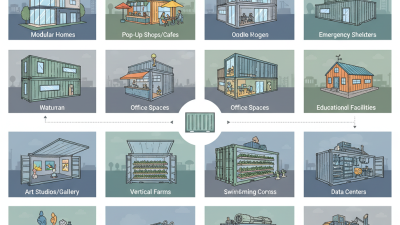
We specialize in Customized Container Solutions designed to meet diverse needs across the UAE. Our offerings include customized modular containers that cater to various applications, from tailor-made container solutions to bespoke container designs.

Whether you’re looking for personalized container homes or custom modular containers, we have you covered. Our customized container offices provide functional workspaces, while our customized portable containers ensure flexibility on-site. Explore our range of custom container storage units and customized cargo containers to optimize your space.

We also offer custom container leasing and custom container fabrication services, along with customized sea containers designed for secure transport. For specialized needs, our specialized container modifications will help you create the perfect solution for your requirements in both Dubai and the broader UAE.

Get a quote

Get a quote