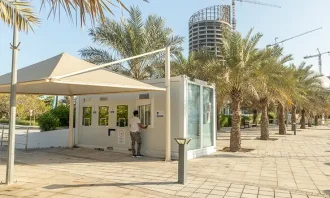
In the realm of global trade, the significance of cargo shipping containers cannot be overstated. According to Dr. Emily Chen, a prominent expert in logistics, "Cargo shipping containers are the backbone of international shipping." Their design has revolutionized how goods are transported across oceans. Each container is crafted to ensure maximum efficiency and security during transit.
However, not all cargo shipping containers are created equal. Variations exist in size, material, and purpose. Some are meant for perishable goods, while others accommodate larger machinery. Understanding the strengths and weaknesses of each type can significantly impact shipping strategies. Choosing the right container can lead to smoother logistics and improved delivery times.
The evolving demands of trade pose challenges and opportunities. Shipping container technology continues to advance, presenting both innovative designs and eco-friendly solutions. Yet, issues like congestion in ports and fluctuating costs remain hurdles. Therefore, it is essential for companies to stay informed about the best options for cargo shipping containers to navigate this complex landscape effectively.
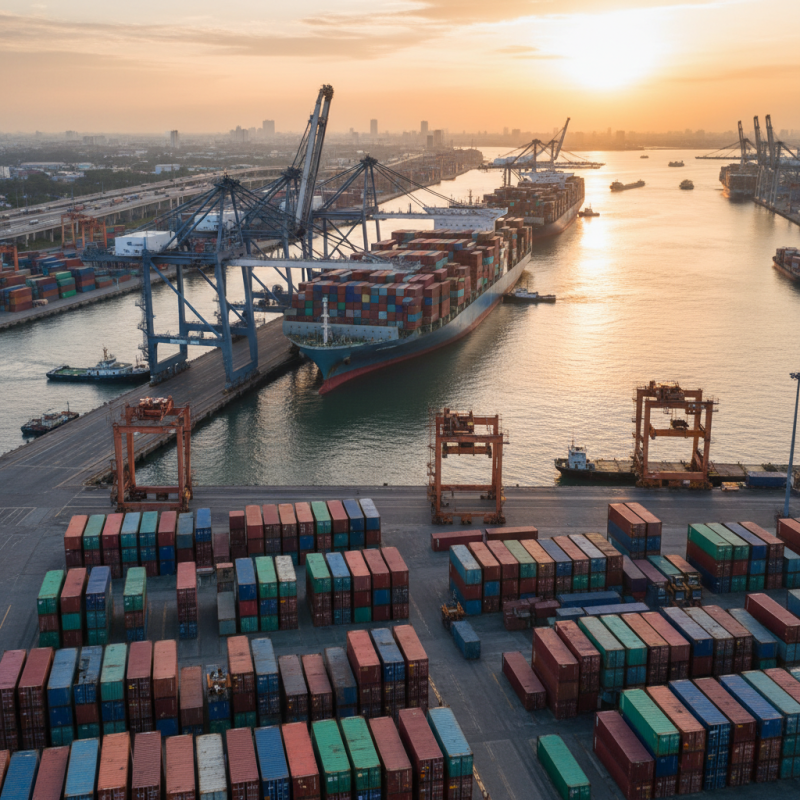
Cargo shipping containers are vital for global trade. Different types serve unique roles. Understanding these can enhance shipping efficiency.
Standard containers, often called dry freight containers, are the most common. They have a uniform size, typically 20 or 40 feet long. They are perfect for transporting non-perishable goods. However, their rigid structure limits flexibility.
Reefer containers, on the other hand, keep goods at a controlled temperature. They are essential for perishable items like fruits and vegetables. Despite their advantages, they consume more energy and require careful monitoring. Open-top containers provide versatility, allowing for the transport of oversized cargo. Though practical, they lack weather protection. Each container type offers unique benefits and challenges, making it crucial to match them with specific shipping needs.
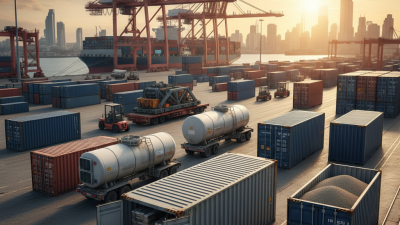
This chart displays the volume capacities of the top 10 cargo shipping containers used in global trade. Different types of containers serve specific purposes, from standard containers to specialized refrigerated units for temperature-sensitive cargo.
Standardized shipping containers play a vital role in global trade. Their uniform size simplifies the loading and unloading process at ports. This efficiency reduces shipping times and minimizes costs. When containers are standardized, they can be stacked and stored more easily. This leads to better use of space on cargo ships and at warehouses.
Using these containers also enhances security. Containers are designed to be tamper-resistant, which protects goods during transit. However, there are still risks like containers being damaged or lost. Monitoring systems can help, but they are not foolproof. There is still a lack of transparency in tracking shipments.
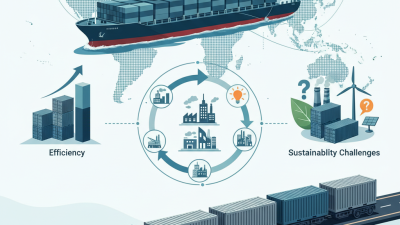
Sustainability is another area for reflection. While shipping containers reduce waste by allowing reusable packaging, their production requires energy and resources. The industry must look for greener alternatives. Innovations in materials and designs could pave the way for a more sustainable future. Overall, standardized shipping containers offer significant benefits, yet improvements are still needed.
| Container Type | Dimensions (L x W x H) | Weight Capacity (kg) | Volume (m³) | Benefits |
|---|---|---|---|---|
| Standard Container | 20' x 8' x 8.5' | 30,480 | 33.2 | Versatile and widely used. |
| High Cube Container | 40' x 8' x 9.5' | 36,000 | 76.4 | Extra height for bulk cargo. |
| Flat Rack Container | 20' x 8' x 0.5' | 30,480 | 32.2 | Ideal for heavy and oversized cargo. |
| Reefer Container | 40' x 8' x 9.5' | 30,480 | 67.7 | Maintains temperature for perishable cargo. |
| Open Top Container | 20' x 8' x 8.5' | 28,000 | 32.1 | Easy loading of tall cargo with a tarpaulin cover. |
| Insulated Container | 20' x 8' x 8.5' | 24,000 | 33.2 | Protection from extreme temperature variations. |
| Tank Container | 20' x 8' x 8.5' | 26,000 | 32.4 | For transporting liquids safely. |
| Ventilated Container | 20' x 8' x 8.5' | 30,480 | 33.2 | Facilitates air circulation for goods sensitive to humidity. |
| Double Door Container | 40' x 8' x 8.5' | 30,480 | 67.7 | Allows access from both ends for easier loading/unloading. |
When evaluating cargo shipping containers, certain key features greatly enhance their efficiency in global trade. One critical aspect is the design of containers. High cube containers, for example, offer increased internal volume. This enables the optimal stacking of goods, enhancing cargo capacity by nearly 15%. Such efficiency is vital in reducing shipping costs per unit.
Durability is another essential feature. Containers made from high-strength steel resist wear and tear better than older models. According to industry reports, durable containers can last up to 25 years. This longevity not only supports sustainability but also ensures that shipping operations run smoothly, minimizing losses due to damage.
In addition, technology integration is becoming a game-changer in container efficiency. Smart containers equipped with tracking sensors enable real-time monitoring. This data helps shipping companies optimize routes and reduce delays. However, the costs involved in upgrading to smart technology can be a barrier for some operators. Balancing technology investment with operational efficiency often requires careful consideration and reflection.
Innovative technologies in cargo shipping container design are transforming global trade. According to the International Maritime Organization, over 80% of world trade is carried by sea. New technology can enhance efficiency and sustainability in shipping operations.
One notable advancement is smart containers. These containers use IoT sensors to monitor cargo conditions in real-time. Reports suggest that their adoption can reduce shipment damages by up to 30%. This technology increases transparency and helps manage logistics more effectively. However, integrating these systems poses challenges, such as compatibility with existing infrastructure.
Another innovation is the increasing use of lightweight materials. Research indicates that using advanced composites can lower shipping costs by up to 20%. While they enhance fuel efficiency, concerns about durability remain. Cargo owners need to weigh potential risks against cost savings. Innovative designs are essential for future growth, but significant hurdles still exist.
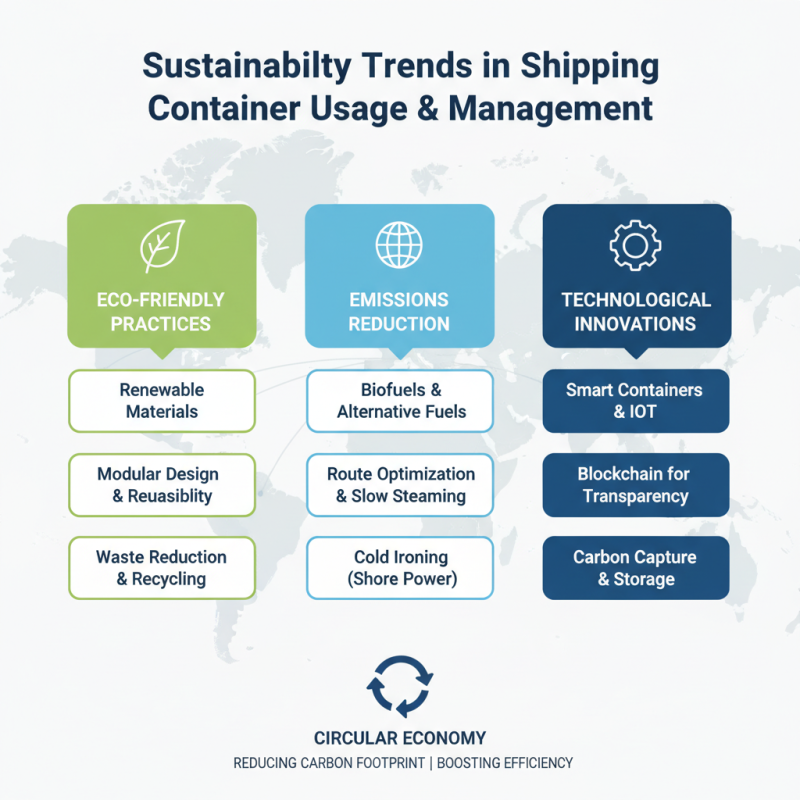
The shipping industry is undergoing a significant transformation. Sustainability is becoming a priority for many businesses. Shipping container usage is at the forefront of these changes. Companies are adopting eco-friendly practices. They aim to reduce their carbon footprint while maintaining efficiency.
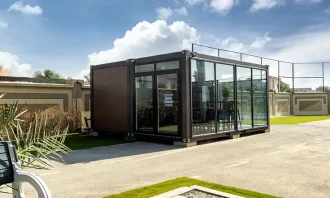
One trend in container management is upcycling. Businesses are repurposing used containers for housing and offices. This approach reduces waste and addresses housing shortages. Additionally, companies are exploring renewable energy solutions. Solar panels on containers can power refrigeration during transport.
However, challenges persist. The recycling process for containers can be inefficient. Not all facilities handle containers responsibly. Education on sustainable practices is still limited. The industry must continue to innovate and share knowledge. A collective effort can drive positive change, benefiting the planet and future generations.
Subscribe to our newsletter for the latest news and exclusive offers.
We hold a long-term view when we build modular rooms taking into consideration your changing needs. Whether it’s shifting your workspace to a new site, redesigning your unit to fit new requirements, or simply clearing the area at the end of the project, our Dismantling & Reassembling teams are pressed into service to get the job done in the quickest possible time and minimum resource wastage.
We understand that every project is unique and therefore has a different set of requirements. That’s why we believe in customizing our solutions to fit individual needs. We are equipped with the right talents, technology, and skillset to offer bespoke modular units, without compromising on turnaround time or quality.
The benefits of choosing Containers ME continues long after the installation of the units as we provide aftersales service for as long as you need. All you have to do is sign the Annual Maintenance Contract (AMC) and enjoy technical support for all the maintenance-related issues. By signing the contract, you can rest assured that a highly professional team of dedicated staff are at your service all year round to attend to your needs.
We specialize in Customized Container Solutions designed to meet diverse needs across the UAE. Our offerings include customized modular containers that cater to various applications, from tailor-made container solutions to bespoke container designs.
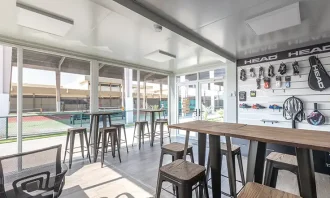
Whether you’re looking for personalized container homes or custom modular containers, we have you covered. Our customized container offices provide functional workspaces, while our customized portable containers ensure flexibility on-site. Explore our range of custom container storage units and customized cargo containers to optimize your space.
We also offer custom container leasing and custom container fabrication services, along with customized sea containers designed for secure transport. For specialized needs, our specialized container modifications will help you create the perfect solution for your requirements in both Dubai and the broader UAE.