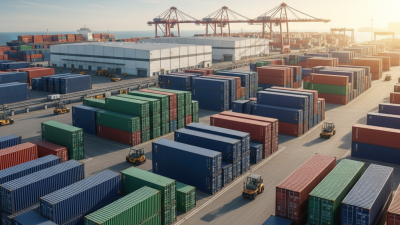
In the fast-evolving landscape of global procurement, identifying the top containers is crucial. According to a recent report by the International Maritime Organization, container shipping accounts for about 90% of global trade. This underscores the importance of selecting the right container solutions for businesses.
Top containers show immense variations in design, capacity, and material. Current trends indicate a shift towards eco-friendly containers that help reduce carbon footprints. The World Economic Forum reports a 20% increase in demand for sustainable logistics. Businesses need to adapt to this change. However, relying solely on traditional containers may lead to missed opportunities.
While focusing on logistics efficiency, it's essential to reflect on potential pitfalls. Not all suppliers offer the same level of reliability or service. Choosing the wrong container may lead to delays and added costs. Thus, understanding the market landscape and evolving with it is vital for success. The right information guides businesses toward effective procurement strategies.
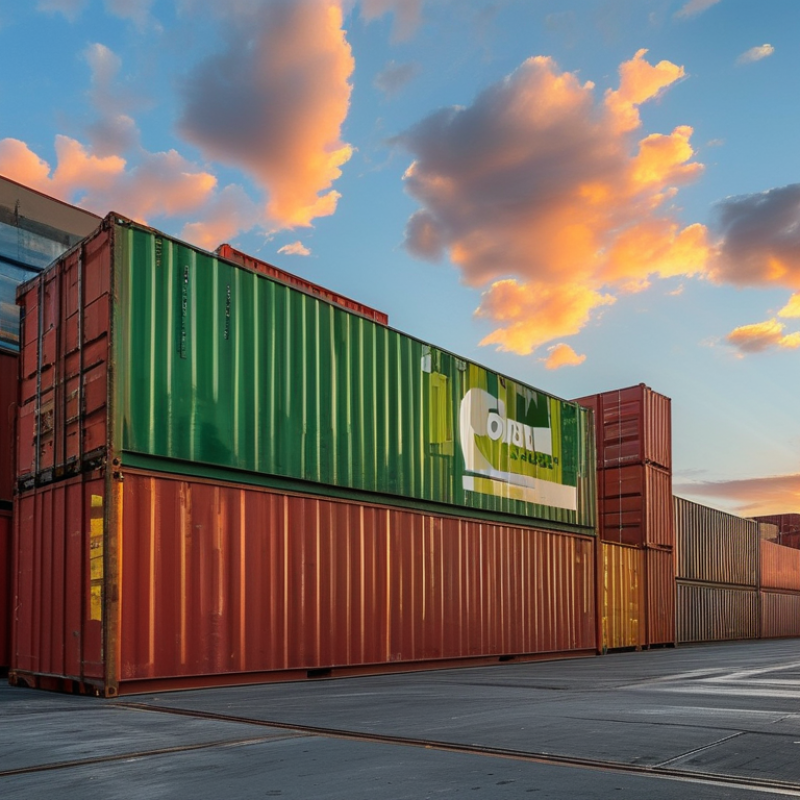
Understanding global procurement is crucial for businesses aiming to thrive in a competitive environment. It involves sourcing goods and services from suppliers around the world. With the right approach, companies can reduce costs and improve efficiency. Effective global procurement can lead to better quality products and enhanced supply chain resilience.
Understanding market dynamics in different regions is essential. Businesses must adapt to local cultures and regulations. This often requires a dedicated team familiar with international practices. At times, miscommunication can occur. It's vital to maintain clear channels of communication to avoid misunderstandings.
Be aware of currency fluctuations. These can impact costs dramatically. Regularly reviewing supplier contracts can help manage risks. Building strong relationships with suppliers can also enhance collaboration. This might take time but yields long-term benefits. Always reflect on past procurement decisions. What worked well? What didn’t? This analysis can guide future strategies.

In global procurement, choosing the right container type is crucial. Different container types serve specific purposes, influencing cost and efficiency. According to industry data, intermodal transport accounts for over 75% of global goods movement. The most common container types include dry containers, temperature-controlled containers, and specialized tanks. Each has unique characteristics tailored to diverse products.
Dry containers are standard for general cargo. They are robust and versatile. For temperature-sensitive items, reefer containers or temperature-controlled containers are essential. They maintain required temperatures and protect against spoilage, crucial for food and pharmaceuticals. Specialized tanks hold liquid goods. They minimize contamination risks, especially in chemical transport. Using the correct container can reduce damage rates by up to 20%.
Consider container dimensions. A 40-foot container can carry nearly twice the volume of a 20-foot container. Opting for a larger container may save costs but requires careful planning to avoid empty space. Regularly assess your supplier's container specifications. Collaboration with logistics experts can enhance your procurement strategy. Adjusting container choices can reflect seasonal demand changes, supporting more agile supply chains.
| Container Type | Dimensions (L x W x H) | Capacity (CBM) | Weight Limit (KG) | Usage |
|---|---|---|---|---|
| Standard Dry Container | 20' x 8' x 8.5' | 33 | 2,300 | General Cargo |
| High Cube Container | 40' x 8' x 9.5' | 76 | 3,000 | Lightweight Cargo |
| Reefer Container | 40' x 8' x 9.5' | 67 | 30,480 | Perishable Goods |
| Open Top Container | 20' x 8' x 8.5' | 33 | 2,300 | Heavy Machinery |
| Flat Rack Container | 40' x 8' x 8.5' | 76 | 30,480 | Heavy Loads |
Selecting the right containers for global procurement requires careful evaluation. Various factors affect this choice. Begin by assessing the container's durability. Containers used for long-distance transport must withstand diverse conditions. Look for materials that resist corrosion and impact. This characteristic ensures that your goods remain safe throughout their journey.
Next, consider the container's capacity. Understanding your product dimensions is crucial. The right size minimizes wasted space and optimizes shipping costs. Think about the weight distribution as well. Overloading can lead to damages, which can be costly. Numerous container types cater to different products. Explore options that accommodate specific needs, like temperature control for perishables.
Finally, evaluate the container's compliance with international regulations. Many regions have specific standards. Ensure containers meet these requirements to avoid unnecessary delays. This compliance also reinforces your credibility in the global market. Reflect on your choices; understanding these criteria helps streamline your procurement process. Each decision impacts efficiency and effectiveness in your supply chain.
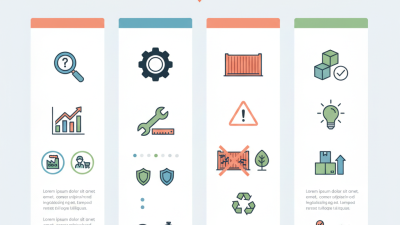
This chart illustrates the evaluation criteria for selecting containers in global procurement. The data reflects the importance of various factors such as Cost, Durability, Volume, and Compliance in the selection process.
Managing container logistics in global procurement requires a strategic approach. According to a recent report by McKinsey, the logistics sector can account for over 10% of global GDP. Efficient container management can significantly enhance supply chain efficiency. Understanding the nuances of container types, sizes, and specifications is essential. For instance, using the right container can reduce freight costs by up to 30%.
Collaboration with reliable logistics providers is key. Studies show that businesses that prioritize strong partnerships tend to achieve smoother operations and less disruption. Regular audits of your logistics processes can highlight inefficiencies and areas for improvement. Adopting technology solutions, such as tracking software, allows real-time visibility. Companies that leverage these tools have reported a 20% increase in operational efficiency.
Consider your container choices carefully. Reefer containers are perfect for temperature-sensitive goods, while bulk containers suit commodities. Regular training for your logistics team can enhance their ability to respond to challenges. Learning from past errors is crucial. Embracing a culture of continuous improvement can transform logistics management.
The landscape of global procurement is evolving rapidly, especially in containerization. Companies must embrace innovative strategies. One notable trend is the increased use of digital platforms. These platforms streamline communication and improve inventory management. Adopting advanced technologies is crucial. Real-time data access can significantly enhance decision-making.
Sustainability plays a major role in containerization practices. A rise in eco-friendly alternatives is evident. Businesses are now focusing on reducing carbon footprints. This shift not only benefits the environment but also meets consumer demand for responsible practices. Companies should assess their current procurement strategies. Analyzing supply chains helps identify areas for improvement.
Despite advancements, challenges remain. Not all companies effectively adopt new technologies. Some face resistance from traditional practices. It’s important to reflect on these gaps. Continuous learning and adaptation are essential. Businesses should remain flexible to thrive in an ever-changing market. Prioritizing strategic partnerships can lead to greater resilience.
Subscribe to our newsletter for the latest news and exclusive offers.
We hold a long-term view when we build modular rooms taking into consideration your changing needs. Whether it’s shifting your workspace to a new site, redesigning your unit to fit new requirements, or simply clearing the area at the end of the project, our Dismantling & Reassembling teams are pressed into service to get the job done in the quickest possible time and minimum resource wastage.
We understand that every project is unique and therefore has a different set of requirements. That’s why we believe in customizing our solutions to fit individual needs. We are equipped with the right talents, technology, and skillset to offer bespoke modular units, without compromising on turnaround time or quality.
The benefits of choosing Containers ME continues long after the installation of the units as we provide aftersales service for as long as you need. All you have to do is sign the Annual Maintenance Contract (AMC) and enjoy technical support for all the maintenance-related issues. By signing the contract, you can rest assured that a highly professional team of dedicated staff are at your service all year round to attend to your needs.
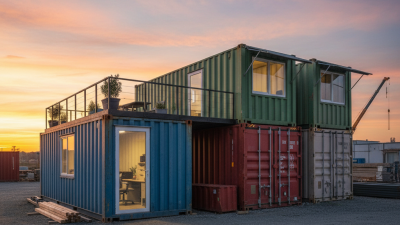
We specialize in Customized Container Solutions designed to meet diverse needs across the UAE. Our offerings include customized modular containers that cater to various applications, from tailor-made container solutions to bespoke container designs.
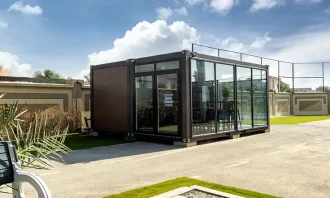
Whether you’re looking for personalized container homes or custom modular containers, we have you covered. Our customized container offices provide functional workspaces, while our customized portable containers ensure flexibility on-site. Explore our range of custom container storage units and customized cargo containers to optimize your space.
We also offer custom container leasing and custom container fabrication services, along with customized sea containers designed for secure transport. For specialized needs, our specialized container modifications will help you create the perfect solution for your requirements in both Dubai and the broader UAE.