In the realm of water management, Floating Barriers have gained significant attention. These innovative structures offer solutions for controlling water pollution and managing floating debris. They create effective separations, ensuring clean water bodies while safeguarding aquatic ecosystems.
Floating Barriers come in various designs, each serving unique purposes. Some focus on collecting waste, while others help in flood prevention. Choosing the right type requires expertise and careful consideration of specific environmental needs. The effectiveness of these barriers can vary, making it essential to assess their impact continuously.
Many projects using Floating Barriers reflect both success and challenges. Their implementation often brings unforeseen complications, such as maintenance issues or environmental concerns. As we explore the top ten solutions, we will delve into their functionalities and address areas that need further development.
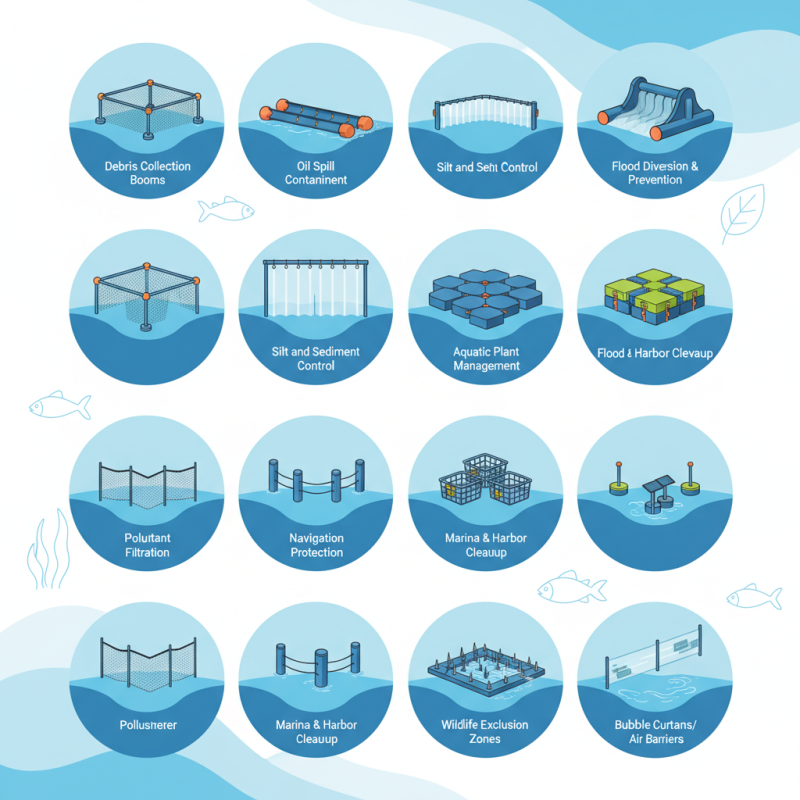
Floating barrier solutions play a crucial role in water control strategies. These barriers are designed to manage various water bodies, including rivers, lakes, and ponds. They can effectively contain floating debris, oils, and other pollutants. Their design often includes features that allow for easy deployment and maintenance.
Different types of floating barriers exist, each tailored for specific applications. Some focus on pollution control, while others aid in sediment management. For example, barriers equipped with absorbent materials can capture oily substances efficiently. However, the effectiveness of these solutions can vary based on environmental conditions. Factors such as water currents and weather conditions influence their performance.
While floating barriers show promise, challenges remain. Proper installation and periodic maintenance are essential. If not addressed, barriers may become less effective over time. This highlights the need for ongoing evaluation and adjustments. The science of water control continues to evolve. New materials and designs emerge, but the search for the perfect solution is an ongoing journey.
When evaluating floating barrier solutions, several criteria come into play. Effectiveness is paramount. The barrier must prevent debris, pollutants, and invasive species from spreading. It needs to demonstrate durability against various weather conditions. Constructed from robust materials, a formidable barrier can withstand waves and currents.
Another critical aspect is ease of installation. A floating barrier should be user-friendly and adaptable to different environments. This adaptability allows for seamless integration into various water bodies. Maintenance requirements also impact effectiveness. A barrier that requires minimal upkeep ensures that it remains functional.
Monitoring capability is vital, too. How can users assess a barrier's performance over time? Incorporating sensors can help track debris accumulation and overall functionality. Transparency in design choices enhances reliability. Prioritizing these evaluation criteria can lead to informed decisions in water management. However, some barriers may fall short in one area or another, prompting a need for continuous improvement.
Floating barriers are becoming vital tools for water management. These solutions help control pollution, manage debris, and enhance aquatic ecosystems. Various technologies exist, each tailored for specific applications. For instance, some barriers are designed to contain oil spills. Others protect sensitive marine habitats from invasive species.
The efficacy of floating barriers lies in their design and materials. Many models use durable, eco-friendly materials that withstand harsh weather. They can be deployed in rivers, lakes, or even coastal areas. The adaptability of these barriers makes them valuable for environmental efforts. However, challenges remain in their maintenance and durability. Regular checks are essential to ensure effectiveness.
Not all barriers are created equal. Performance may vary based on location and conditions. Some barriers might struggle with heavy debris loads. Environmental impact assessments are crucial. They help identify the best approaches for specific situations. Understanding limitations is as important as recognizing advantages. Proper selection and placement are pivotal for success.
Floating barriers have emerged as crucial tools in environmental management and water control. One notable case involves a stormwater management project. In this implementation, a floating barrier successfully diverted pollutants from entering a local waterway. The barrier was anchored securely, ensuring stability during heavy rainfall. Observations showed that water quality improved significantly after installation. It reduced litter in the area and provided a clearer habitat for aquatic life.
Another compelling case study is a floating barrier used in a marina. This barrier helped control the spread of invasive species. Monitoring showed a decrease in the number of non-native plants and animals. Local authorities collaborated with environmental experts to design this barrier. They needed to consider its impact on existing ecosystems. Feedback indicated some challenges with maintenance and durability over time. Despite these issues, the overall success in species control stands out.
Floating barriers are adaptable to various environments. Each case provides valuable lessons learned. They highlight the importance of ongoing assessments and community engagement. Real-world applications showcase both the strengths and limitations of floating barriers. These insights are critical for future projects aiming at sustainable water management.
Floating barriers are becoming essential in water management. As we look towards future trends, innovative materials are leading the way. New lightweight substances are making these barriers easier to deploy. They also enhance durability in variable weather conditions.
Technology plays a pivotal role too. Smart sensors integrated into barriers can monitor pollutants in real-time. This data allows for quicker responses to contamination. However, this technology is in its early stages and may require further refinement. Ensuring data accuracy remains a challenge.
When considering floating barriers, think about the local environment. Each area has unique water conditions. It's crucial to tailor solutions accordingly. Investing in local expertise can bridge knowledge gaps. This approach will optimize the efficiency of water control measures.
| Solution | Material | Deployment Method | Main Purpose | Innovative Features |
|---|---|---|---|---|
| Barrier A | Biodegradable Polymer | Floating Deployment | Pollution Control | Eco-Friendly Design |
| Barrier B | Recycled PVC | Anchor-based | Debris Collection | Modular Sections |
| Barrier C | Foam-Cored Plastic | Towed Deployment | Oil Spill Response | High Visibility |
| Barrier D | Hybrid Material | Fixed Installation | Habitat Protection | Flexible Design |
| Barrier E | Aluminum Alloy | Barge Mounted | Flood Prevention | Corrosion Resistance |
| Barrier F | Synthetic Fiber | Rapid Deployment | Waste Management | Lightweight Structure |
| Barrier G | High-density Polyethylene | Portable | Water Quality Improvement | UV Resistant |
| Barrier H | Mesh Fabric | Deployable Net | Sediment Control | Breathable Material |
| Barrier I | Steel Framework | Permanent Installation | Long-Term Barrier | Durability |
| Barrier J | Natural Fiber | Eco-Friendly Deployment | Biodiversity Support | Decomposable |
Subscribe to our newsletter for the latest news and exclusive offers.
We hold a long-term view when we build modular rooms taking into consideration your changing needs. Whether it’s shifting your workspace to a new site, redesigning your unit to fit new requirements, or simply clearing the area at the end of the project, our Dismantling & Reassembling teams are pressed into service to get the job done in the quickest possible time and minimum resource wastage.
We understand that every project is unique and therefore has a different set of requirements. That’s why we believe in customizing our solutions to fit individual needs. We are equipped with the right talents, technology, and skillset to offer bespoke modular units, without compromising on turnaround time or quality.
The benefits of choosing Containers ME continues long after the installation of the units as we provide aftersales service for as long as you need. All you have to do is sign the Annual Maintenance Contract (AMC) and enjoy technical support for all the maintenance-related issues. By signing the contract, you can rest assured that a highly professional team of dedicated staff are at your service all year round to attend to your needs.
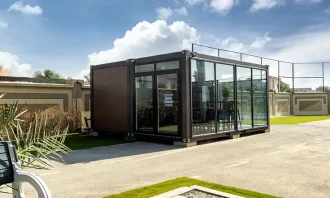
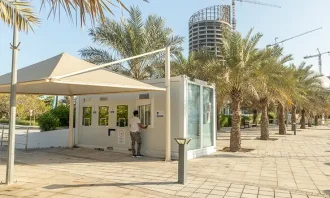
We specialize in Customized Container Solutions designed to meet diverse needs across the UAE. Our offerings include customized modular containers that cater to various applications, from tailor-made container solutions to bespoke container designs.
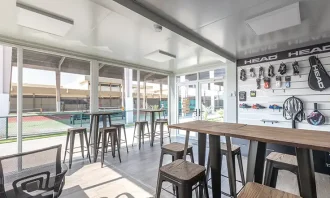
Whether you’re looking for personalized container homes or custom modular containers, we have you covered. Our customized container offices provide functional workspaces, while our customized portable containers ensure flexibility on-site. Explore our range of custom container storage units and customized cargo containers to optimize your space.
We also offer custom container leasing and custom container fabrication services, along with customized sea containers designed for secure transport. For specialized needs, our specialized container modifications will help you create the perfect solution for your requirements in both Dubai and the broader UAE.