
Blogs

What Is Anodized Aluminum?

What Is Anodized Aluminum?

Anodized Aluminum is aluminum treated through a controlled electrochemical process. The treatment thickens its natural oxide layer. This layer becomes part of the metal surface, rather than a coating that simply sits on top.

Dr. George E. Thompson, a recognized specialist in aluminum surface technology, described anodizing as “controlled oxidation of aluminum.” The phrase is simple, but the process requires careful control. Manufacturers place cleaned aluminum in an electrolytic bath. An electric current then develops a porous oxide structure. Dyes may enter these pores before sealing closes them.

Imagine a silver window frame with a smooth, cool touch. Its color comes from the anodized layer, not ordinary paint. This surface can improve resistance to abrasion, weathering, and corrosion. It can also support consistent finishes on architectural panels, cookware, electronics, and transport components.

However, Anodized Aluminum is not indestructible. Strong alkaline cleaners can damage its appearance. Deep scratches may expose untreated metal beneath the surface. Color matching can also vary between production batches. These details matter when selecting a finish for outdoor projects.

The alloy, surface preparation, electrical settings, dye, and sealing method all influence the final result. A bright decorative finish behaves differently from a hard architectural finish. That difference is easy to overlook.

Understanding the process helps buyers judge claims more carefully. An anodized surface is durable, but its performance depends on specification and maintenance. Good results begin with the right alloy, realistic service expectations, and verified production controls.
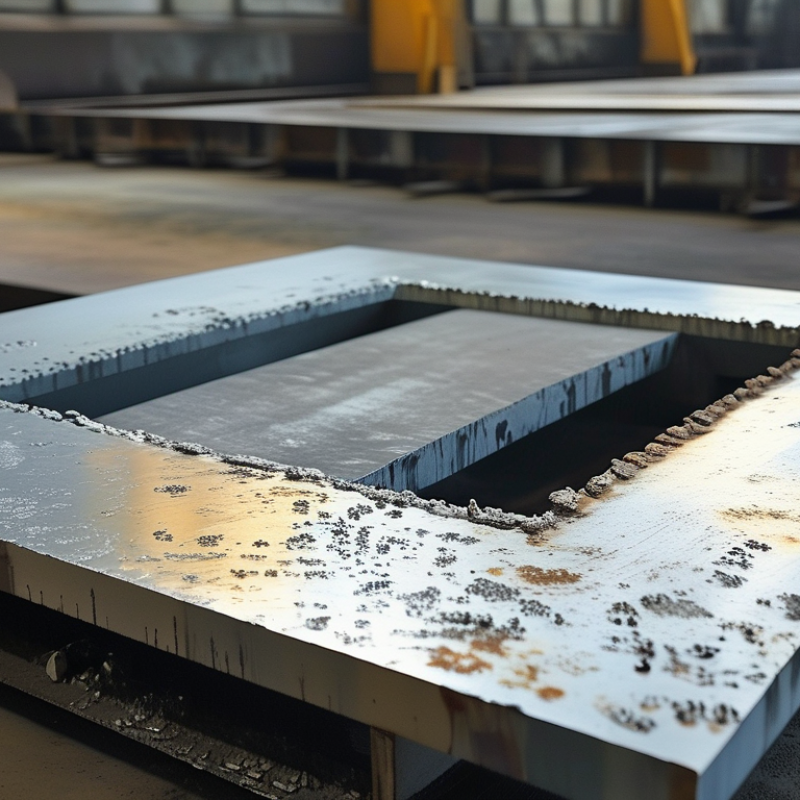
What Is Anodized Aluminum?

Definition and Basic Characteristics of Anodized Aluminum

Anodized aluminum is aluminum treated through an electrochemical oxidation process. The treatment thickens its natural aluminum oxide layer. It is not paint. It is not plating. The coating becomes part of the metal surface, giving aluminum better corrosion resistance and a harder exterior. ISO 7599:2018 describes anodic coatings as protective or decorative finishes for aluminum and its alloys. Typical architectural coatings measure about 5–25 micrometers, while hard anodizing can exceed 25 micrometers. The exact thickness depends on the alloy, electrolyte, voltage, and processing time.

The surface has microscopic pores before sealing. These pores can hold dyes, creating bronze, black, red, or other colors. Sealing closes many pores and improves stain resistance. However, color consistency can change between production batches. I would not call anodized aluminum scratch-proof. Sharp grit can still mark it, especially on dark finishes. The oxide layer also reduces electrical conductivity at the surface, while the aluminum core remains conductive. The U.S. Geological Survey’s Mineral Commodity Summaries 2025 estimates roughly 74 million metric tons of primary aluminum production in 2024. That scale explains why reliable surface treatment matters across construction, transport, and equipment manufacturing.

Tips: Check coating thickness, sealing quality, and alloy compatibility before approval. Rub-test hidden areas first. Avoid strong alkaline cleaners, which may attack the oxide layer. Inspect color under the actual project lighting, not only under a showroom lamp. Even experienced fabricators can underestimate batch variation. Surface appearance needs practical verification.


How the Anodizing Process Works

What Is Anodized Aluminum?

Anodizing is an electrochemical process that strengthens aluminum’s natural oxide layer. It is not paint. The aluminum part becomes the anode inside an acidic electrolyte bath. A controlled direct current passes through the solution. Oxygen ions react with the aluminum surface, forming a thicker, porous oxide layer. This layer bonds with the metal instead of sitting on top.

The process usually starts with cleaning, rinsing, and etching. These steps remove oil, dirt, and minor surface marks. A desmut treatment may follow, especially when alloying elements remain visible. The part then enters the anodizing bath. Current, temperature, acid concentration, and treatment time all affect the final coating. Small changes matter. A cooler bath may produce a harder layer, while higher temperatures can increase coating growth but reduce hardness.

After anodizing, the pores can absorb dyes or remain clear. Sealing closes many pores using hot water or another controlled solution. This improves stain and corrosion resistance. However, the finish is rarely perfectly uniform. Racking marks, alloy differences, and edge effects can create color variation. A careful operator checks coating thickness and appearance, not just color. Anodized aluminum resists wear well, but it can still scratch under heavy contact. The process is highly reliable, though not flawless.

Common Types and Finishes of Anodized Aluminum

What Is Anodized Aluminum?

Anodized aluminum is aluminum treated through an electrochemical process. The treatment thickens its natural oxide layer, improving surface durability and corrosion resistance. Unlike paint, the protective layer becomes part of the metal itself. This makes anodized aluminum useful for window frames, electronics, furniture, and outdoor structures.

Common types include sulfuric acid anodizing, hard anodizing, and chromic acid anodizing.

Sulfuric anodizing is widely used for architectural parts and decorative products. It supports many colors and finishes.

Hard anodizing creates a thicker, tougher layer for parts exposed to friction, heat, or repeated handling.

Chromic acid anodizing produces a thinner coating and is often selected when weight and fatigue performance matter. The final choice depends on the aluminum alloy, environment, and expected wear.

Finishes

Finishes may appear clear, bronze, black, gray, or softly colored. Smooth finishes reveal scratches more easily, while satin or brushed textures can hide minor marks. A matte surface feels less reflective under strong lighting. However, color matching can vary between production batches. This detail is easy to overlook.

Tips: Confirm the alloy, coating thickness, and color sample before production. Test a real piece when appearance matters. Avoid assuming every finish offers equal protection. Surface preparation often changes the result more than expected.

Performance Benefits and Practical Applications

What Is Anodized Aluminum?

Performance Benefits and Practical Applications

Anodized aluminum is treated through an electrochemical process that thickens its natural oxide layer. The surface becomes harder, more stable, and less vulnerable to everyday corrosion. Unlike paint, the protective layer is integrated with the metal. It does not simply sit on top. This structure helps components survive handling, moisture, and repeated cleaning.

In practical use, anodized aluminum appears in window frames, lighting housings, machine panels, cookware, and electronic enclosures. Its low weight supports easier installation and transport. The surface also offers useful electrical insulation, especially in dry, controlled environments. Different finishes can improve appearance while helping operators identify equipment or exposed surfaces. A dark enclosure may absorb more heat in sunlight, however, so color selection requires attention.

The material performs well, but it is not indestructible. A deep scratch can expose the underlying aluminum, and harsh chemicals may damage the finish. Edges and drilled holes may show thinner coverage than broad, flat areas. I have found that surface preparation often matters as much as the anodizing stage. Poor cleaning can create uneven color or weak adhesion for later coatings. Sealing improves corrosion resistance, but excessive sealing can change the surface tone. Designers should test samples under actual humidity, temperature, cleaning, and handling conditions before approving a production finish. Small trials reveal problems early.

Care, Limitations, and Environmental Considerations

Anodized aluminum is aluminum treated through an electrochemical process. It develops a controlled oxide layer, not a painted film. This layer improves surface hardness and helps resist corrosion. Yet protection has limits. Strong alkaline cleaners, acidic solutions, and salt deposits can stain or weaken the finish. Deep scratches may expose the softer metal beneath.

Daily care is simple. Use warm water, mild soap, and a soft microfiber cloth. Rinse away grit before wiping. Never scrub dry dust across the surface. In coastal areas, monthly washing can reduce salt buildup. The International Aluminium Institute reported that recycling aluminum requires about 5% of the energy used for primary production. However, anodizing still consumes electricity, chemicals, and water. Environmental performance depends on recycled content, process control, and responsible wastewater treatment. The detail is easy to overlook.

Tips: Test cleaners on a hidden area first. Avoid abrasive pads and strong solvents. Check drainage around outdoor panels. Color can vary between production batches, even with careful control. That is frustrating, but normal. The Aluminum Association notes that anodized finishes offer durable architectural protection when correctly specified and maintained. Still, no finish is maintenance-free. I have seen neglected surfaces fail slowly, often through tiny deposits rather than dramatic damage. Regular inspection remains cheaper than replacement.

What Is Anodized Aluminum? — Care, Limitations, and Environmental Considerations

Anodizing converts the aluminum surface into a controlled aluminum-oxide layer. Decorative anodizing is commonly about 5–25 μm thick, while hard anodizing is typically about 25–50 μm thick. The thicker hard-anodized layer generally offers better wear resistance, but anodizing is not a substitute for a separate corrosion-resistant coating in every chemical environment.

Clean anodized aluminum with water, a mild detergent, and a soft cloth. Avoid abrasive pads, strong alkaline cleaners, and aggressive acids, which can stain, roughen, or dissolve the oxide layer. Anodized aluminum remains recyclable, although collection, sorting, and remelting determine the actual environmental benefit.

Plug & Play Installation

Our installation services are top-notch, delivering modular systems for any application on time in plug & play condition. We leave nothing for you to figure out, set up, or fix. All you’ve to do is just step in, and get going with your business.

Dismantling & Reassembling

We hold a long-term view when we build modular rooms taking into consideration your changing needs. Whether it’s shifting your workspace to a new site, redesigning your unit to fit new requirements, or simply clearing the area at the end of the project, our Dismantling & Reassembling teams are pressed into service to get the job done in the quickest possible time and minimum resource wastage.

Interior Designing

Our interior designs combine both functional and aesthetic aspects to provide you with physical and emotional comfort. We ask you for your preferences and give the best possible solutions aligned to your tastes. Our units are built to be modern, stylish, and elegant.

Bespoke Solutions

We understand that every project is unique and therefore has a different set of requirements. That’s why we believe in customizing our solutions to fit individual needs. We are equipped with the right talents, technology, and skillset to offer bespoke modular units, without compromising on turnaround time or quality.

Aftersales Service

The benefits of choosing Containers ME continues long after the installation of the units as we provide aftersales service for as long as you need. All you have to do is sign the Annual Maintenance Contract (AMC) and enjoy technical support for all the maintenance-related issues. By signing the contract, you can rest assured that a highly professional team of dedicated staff are at your service all year round to attend to your needs.

Customized Container Solutions

We specialize in Customized Container Solutions designed to meet diverse needs across the UAE. Our offerings include customized modular containers that cater to various applications, from tailor-made container solutions to bespoke container designs.

Whether you’re looking for personalized container homes or custom modular containers, we have you covered. Our customized container offices provide functional workspaces, while our customized portable containers ensure flexibility on-site. Explore our range of custom container storage units and customized cargo containers to optimize your space.

We also offer custom container leasing and custom container fabrication services, along with customized sea containers designed for secure transport. For specialized needs, our specialized container modifications will help you create the perfect solution for your requirements in both Dubai and the broader UAE.

Get a quote

Get a quote



