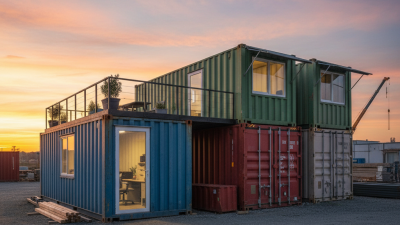
China has become a major sourcing center for container modifications, serving buyers across construction, logistics, retail, energy, and emergency accommodation. Its factories can convert standard ISO containers into offices, workshops, cafés, storage units, laboratories, and modular rooms. The choices look simple. They are not.
“ The container industry is a very conservative industry,” observes John Fossey, a respected container shipping analyst at Drewry. His comment remains relevant. Reliable modifications require disciplined engineering, not attractive photographs. Buyers should examine steel grades, welding quality, floor loading, insulation thickness, door hardware, ventilation, drainage, and electrical protection. Small details matter. A poorly sealed corner can admit rain. A weak hinge can fail under repeated use.
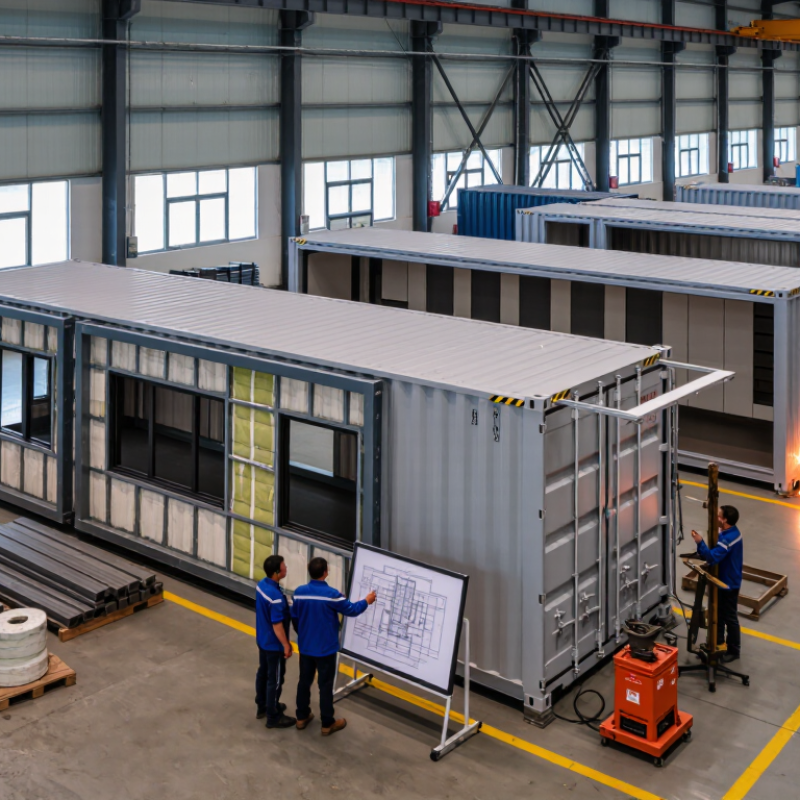
Experienced Chinese manufacturers usually begin with a technical drawing and a clear usage brief. They may provide factory inspection records, material samples, structural calculations, and test documentation. Global buyers should also confirm applicable building, fire, electrical, transport, and workplace requirements in the destination country. A modification accepted in one market may need changes elsewhere.
The best project balances price, durability, maintenance, and delivery time. Cheap finishes can become expensive repairs. A painted steel wall may look excellent today, but coastal humidity tests every surface and fastener. Buyers should request photographs from production, not only finished showroom images.
There is no universal package. That is worth remembering. Some specifications will be missed, especially when communication is rushed. A careful buyer leaves room for revision, independent inspection, and honest questions. This practical approach makes China’s container modifications more dependable for global applications.
China’s container industry still relies on two practical ISO formats: 20-foot and 40-foot units. ISO 668:2020 specifies a 20-foot container at 6.058 meters long and a 40-foot container at 12.192 meters. Both normally measure 2.438 meters wide and 2.591 meters high. These dimensions support predictable stacking, lifting, and intermodal transport across ports and rail systems. ISO 1161:2016 also defines corner fitting requirements, which are vital when buyers request reinforced frames or side openings.
Size changes the working experience. A 20-foot unit suits dense cargo, machinery, and shorter delivery routes. A 40-foot unit provides more floor length for cartons, panels, or modular interiors. Standard maximum gross mass is commonly 30,480 kilograms under ISO specifications, but actual payload depends on tare weight and local transport limits. Check the figures carefully. A heavier floor, insulation, doors, or electrical system reduces usable payload.
UNCTAD’s Review of Maritime Transport 2024 estimates global maritime trade reached 12.3 billion tons in 2023. That scale explains why dimensional consistency matters to global buyers. Chinese fabricators often modify ISO shells with ventilation, personnel doors, windows, lifting points, or internal partitions. Each change should preserve corner geometry and documented load paths. Factory experience helps, but drawings need review. Small errors become expensive at the port. Classification, road clearance, and destination-country requirements may also differ. A container can fit the ship yet fail the final-mile route.
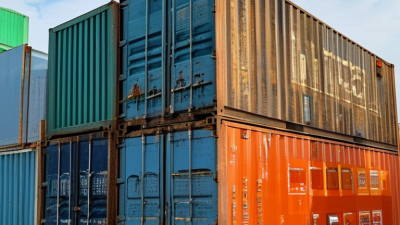
China Top Container Modifications for Global Buyers
Core Modification Types: Open-Side, High-Cube, Reefer, and Tank Containers
China’s container modification sector serves varied cargo and handling needs. UNCTAD’s Review of Maritime Transport 2024 reported about 858 million TEUs in global container port throughput during 2023. That scale makes equipment compatibility important. Open-side containers provide wide access for machinery, stone, or long pallets. Their doors need reinforced hinges, seals, and locking bars. High-cube units add roughly 30 centimeters of internal height. This small difference can prevent crushed packaging and improve pallet stacking. However, higher clearance may change loading-center calculations.
Reefer containers require more than an insulated shell. They need a dependable refrigeration unit, calibrated temperature control, airflow channels, and clean drainage. Cargo trials should test temperature recovery after door opening. Tank containers are designed for bulk liquids and must match the cargo’s density, pressure, valve layout, and applicable inspection rules. ITCO’s 2024 Global Tank Container Fleet Survey estimated the worldwide tank fleet at about 801,800 units. The figure shows strong demand, but it does not make every tank suitable for every liquid. A modified container is never a universal solution.
Tips: Give suppliers exact cargo dimensions, target temperature, filling ratio, and port power details. Request drawings, material certificates, pressure-test records, and CSC-related documents. Check door seals personally when possible. The weak point is often the specification, not the steel. Oversights still happen.
| Modification Type | Common ISO Size | Typical External Dimensions | Typical Internal Capacity | Primary Modification Features | Common Cargo Applications | Key Buyer Considerations |
|---|---|---|---|---|---|---|
| Open-Side Container | 20 ft 40 ft |
20 ft: approximately 6.06 m L × 2.44 m W × 2.59 m H 40 ft: approximately 12.19 m L × 2.44 m W × 2.59 m H |
20 ft: approximately 33 m³ 40 ft: approximately 67 m³ |
Full-length side opening with folding or removable side doors; standard rear container doors; reinforced door frames and locking points. | Long, wide, or difficult-to-load goods such as timber, stone slabs, construction materials, machinery, pipes, and palletized cargo requiring side access. | Confirm side-door clearance, structural reinforcement, weather sealing, floor load rating, cargo restraint points, and compatibility with local handling equipment. |
| High-Cube Container | 40 ft HC 45 ft HC |
40 ft HC: approximately 12.19 m L × 2.44 m W × 2.90 m H About 30 cm taller than a standard-height dry container. |
40 ft HC: approximately 76 m³ 45 ft HC: approximately 86 m³, depending on the design. |
Increased internal height, generally about 2.69 m for a 40 ft high-cube unit; corrugated steel walls; rear cargo doors; optional vents, liners, or partition systems. | Lightweight, high-volume cargo such as furniture, packaging materials, textiles, insulation products, consumer goods, and automotive components. | Check maximum gross mass, route height restrictions, rail and terminal acceptance, door opening dimensions, floor condition, and whether cubic capacity or payload is the limiting factor. |
| Reefer Container | 20 ft 40 ft HC |
20 ft: approximately 6.06 m L × 2.44 m W × 2.59 m H 40 ft HC: approximately 12.19 m L × 2.44 m W × 2.90 m H |
20 ft: commonly about 28–29 m³ 40 ft HC: commonly about 67–68 m³ |
Insulated walls and ceiling; integrated refrigeration unit; forced-air circulation; adjustable temperature control; data logging and alarm functions on many units. | Frozen and chilled food, fresh produce, pharmaceuticals, chemicals requiring temperature control, flowers, dairy products, and other perishable cargo. | Temperature range, humidity control, power supply requirements, pre-trip inspection status, insulation condition, data-recording capability, set-point accuracy, and service support must be verified. |
| Tank Container | 20 ft ISO Tank |
Approximately 6.06 m L × 2.44 m W × 2.59 m H Dimensions follow the 20 ft ISO freight-container envelope. |
Common capacities range from approximately 14,000 to 26,000 liters, with many general-purpose units near 24,000 liters. | Stainless-steel tank mounted in an ISO frame; top or bottom loading options; discharge valves; manlid; pressure and safety fittings; insulation or heating system when required. | Liquid food products, non-hazardous chemicals, hazardous chemicals, liquefied gases, oils, solvents, and other bulk liquids approved for the tank specification. | Verify product compatibility, tank material, design pressure, test and inspection certificates, hazardous-goods approvals, valve configuration, insulation, heating requirements, and maximum gross mass. |
China Top Container Modifications for Global Buyers
Structural engineering begins with accurate dimensions. A standard modified container commonly measures 6.058 m long and 2.438 m wide. These dimensions must remain controlled after cutting, welding, and adding equipment. Even a small distortion can affect stacking, transport, and site installation. The corner castings require precise positioning. They transfer lifting and stacking forces through the container frame. Reinforced openings need engineered beams, not simply thicker steel plates. Floor loading also deserves attention, especially when machinery or concentrated cargo is installed.
CSC compliance is not a label added at the end. Inspectors review the structure, weld quality, doors, floor, and lifting points. A compliant unit should retain safe handling characteristics after modification. Test records, material details, and inspection reports should be available for review. In practice, drawings can look perfect while fabrication tolerances drift. That is a real risk. Buyers should request dimensional checks before shipment and confirm the inspection scope with an independent surveyor.
Tips: Measure the finished unit, not only the design drawing. Check corner casting alignment with calibrated tools. Ask for weld inspection evidence and coating records. Confirm the maximum payload after modifications. If a side opening is unusually large, request structural calculations. Small omissions become expensive corrections. Site conditions may also expose weaknesses that factory testing misses. Rechecking the design is sometimes wiser than defending it.
Technical selection starts with payload, not appearance. A modified container may look spacious, yet its added doors, insulation, rails, or flooring reduce usable capacity. Check the maximum gross mass, tare weight, and allowable payload on current inspection documents. Keep a safety margin for uneven loading and road movement. A 20-foot unit may suit dense cargo, while a high-cube model offers more vertical volume. Measure the internal length, width, and height after modification. Small fittings can remove valuable cubic capacity.
Temperature requirements need measured data. For chilled cargo, record the target range, pull-down time, insulation thickness, and temperature recovery after door opening. Ask for calibration records from recently used sensors. One reading is not enough. Cold spots can develop near the outlet, while warm areas appear near doors. This detail is often missed.
For dry goods, ventilation may matter more than cooling. Specify air-exchange rate, vent positions, mesh protection, and whether airflow remains clear after cargo is loaded.
Technical drawings should show drain paths, floor strength, door clearance, and lifting points. Field checks are essential because drawings may not reflect the final unit. A spreadsheet can still mislead. Verify dimensions with a tape measure and confirm payload with the certification plate. I would also request photographs of welds, seals, hinges, and internal corners. These areas reveal workmanship quickly. Selection becomes more reliable when test results, inspection dates, and operating assumptions appear together, rather than relying on a simple product description.
A modified container must still match its declared use, dimensions, and safety limits. ISO 668 should be checked against the external length, width, height, and corner fitting positions. Small changes can affect stacking, lifting, or transport clearance. Ask for approved drawings before production begins. In practice, I have seen buyers focus on doors and insulation while overlooking floor load distribution. That mistake can become expensive.
The CSC plate is equally important. Check its identification number, maximum gross mass, approval details, and examination dates. The plate should match the container and its documents. Request testing records, including weld inspections, door sealing checks, lifting tests, and coating reports when relevant. Photos help, but they do not replace signed inspection records. Some records may look complete yet lack test dates or equipment references. That deserves a second review.
Tips: Compare the ISO data, CSC plate, drawings, and test records line by line. Confirm who pays for inspection, inland transport, export handling, unloading, and insurance under the agreed delivery terms. State the delivery location precisely, including the terminal or site address. Also define responsibility for damage during transit. A written acceptance checklist is useful, though it is not perfect. Leave space for independent inspection before shipment.
Subscribe to our newsletter for the latest news and exclusive offers.
We hold a long-term view when we build modular rooms taking into consideration your changing needs. Whether it’s shifting your workspace to a new site, redesigning your unit to fit new requirements, or simply clearing the area at the end of the project, our Dismantling & Reassembling teams are pressed into service to get the job done in the quickest possible time and minimum resource wastage.
We understand that every project is unique and therefore has a different set of requirements. That’s why we believe in customizing our solutions to fit individual needs. We are equipped with the right talents, technology, and skillset to offer bespoke modular units, without compromising on turnaround time or quality.
The benefits of choosing Containers ME continues long after the installation of the units as we provide aftersales service for as long as you need. All you have to do is sign the Annual Maintenance Contract (AMC) and enjoy technical support for all the maintenance-related issues. By signing the contract, you can rest assured that a highly professional team of dedicated staff are at your service all year round to attend to your needs.
We specialize in Customized Container Solutions designed to meet diverse needs across the UAE. Our offerings include customized modular containers that cater to various applications, from tailor-made container solutions to bespoke container designs.
Whether you’re looking for personalized container homes or custom modular containers, we have you covered. Our customized container offices provide functional workspaces, while our customized portable containers ensure flexibility on-site. Explore our range of custom container storage units and customized cargo containers to optimize your space.
We also offer custom container leasing and custom container fabrication services, along with customized sea containers designed for secure transport. For specialized needs, our specialized container modifications will help you create the perfect solution for your requirements in both Dubai and the broader UAE.