Blogs

Top Shipping Container Storage Units for Global Buyers

Choosing the right shipping container storage units requires more than comparing prices and exterior paint.

Global buyers need dependable construction, practical access, and clear inspection records. A strong unit should resist rain, salt air, wind, and repeated handling. Its doors should close evenly, without bent locking bars or damaged gaskets.

John Fossey, a container-industry analyst at Drewry, described the wider value of containers: “The container is the basic building block of global trade.” That perspective also applies to storage. A container must travel well before it stores anything safely.

This guide examines the top shipping container storage units for global buyers. It considers new, one-trip, and used models. It also reviews dimensions, steel condition, ventilation, flooring, security, and delivery requirements. These details affect long-term value.

Check the corners carefully. Small rust spots may be manageable. Deep corrosion is different. Water stains inside deserve attention, even when the roof looks sound. A dry climate does not guarantee dry storage.

No unit is perfect.

Buyers sometimes focus on a low purchase price and overlook unloading costs. A remote site may require a crane, prepared ground, and local transport coordination. Those expenses can change the final decision.

A credible supplier should provide photographs, inspection notes, container identification, and honest condition descriptions. Still, documents are not a substitute for careful verification. Measurements can vary slightly, and regional availability changes quickly.

The best choice depends on cargo, climate, access frequency, and ownership plans. This overview offers practical direction, but buyers should question assumptions before placing an order.
Top Shipping Container Storage Units for Global Buyers

Shipping Container Storage Unit Types and Structural Features

Top Shipping Container Storage Units for Global Buyers

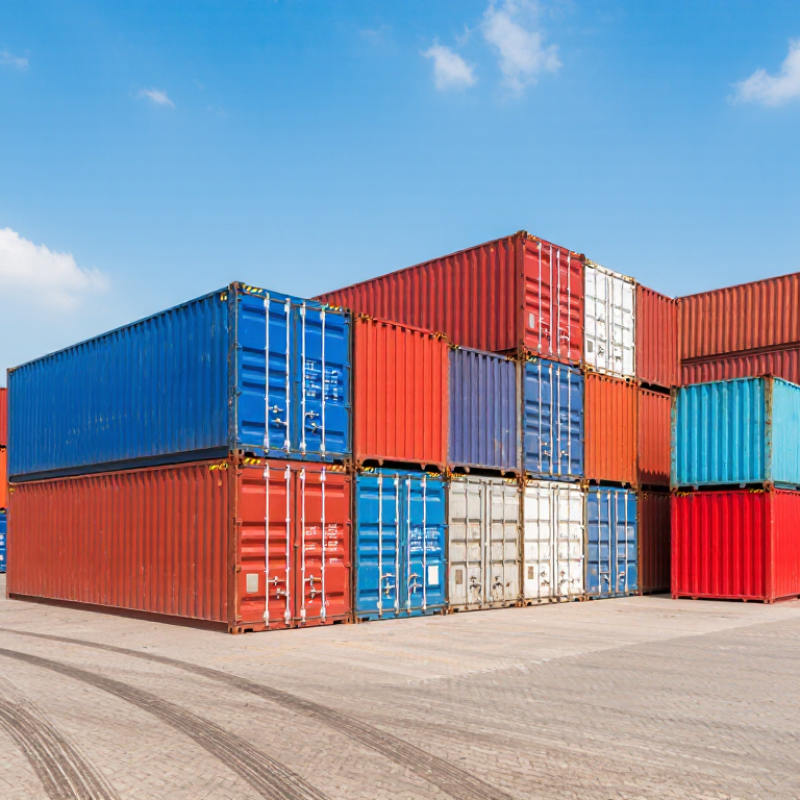
Shipping container storage units differ by cargo, access needs, and site conditions. Standard dry units use weather-resistant steel, corrugated walls, reinforced doors, and corner castings. A 20-foot unit offers about 33 cubic meters of internal space. A 40-foot unit provides nearly 67 cubic meters. High-cube versions add approximately 30 centimeters of interior height.

ISO 668 defines the main external dimensions, supporting predictable stacking and transport worldwide. The IMO’s Container Safety Convention also requires safety inspections and structural certification for eligible units. UNCTAD’s Review of Maritime Transport 2024 reported around 858 million container-port TEUs in 2023. That scale shows why standard dimensions remain commercially important. Yet design is not perfect. Older floors may absorb moisture, while small dents can hide corrosion near welds and corner posts. Refrigerated units provide insulation and temperature control, but they require continuous power. Open-side units improve access, although their larger openings need stronger security planning. Modified units should be inspected carefully.

Tips: Check the CSC plate, door seals, floor condition, roof bows, and corner castings. Measure the delivery route, not only the storage site. Leave ventilation gaps inside, especially in humid climates. Condensation can damage cardboard and metal goods. I would also request dated inspection photos. Photos can miss weak welds. A physical inspection is safer.
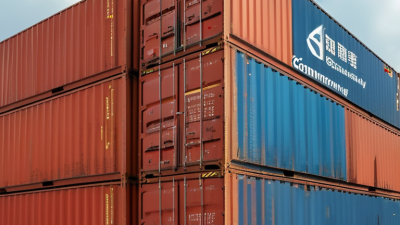
Key Sizes, Configurations, and Storage Capacity Options

Top Shipping Container Storage Units for Global Buyers

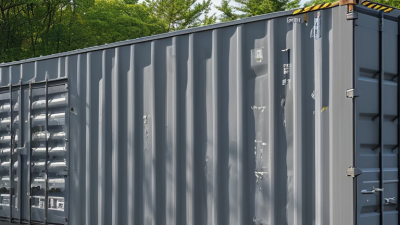
Container storage starts with the right dimensions. A standard 20-foot unit offers about 33 cubic meters of internal volume. It suits tools, cartons, seasonal equipment, and smaller inventory. Its compact footprint also works well on tight industrial sites. A 40-foot unit provides nearly double the length and about 67 cubic meters of space. It reduces the number of units needed for larger stock. However, more capacity can make manual access difficult.

High-cube models add roughly 30 centimeters of interior height. This extra clearance helps with tall shelving, stacked pallets, and bulky equipment. Buyers should check internal measurements, not only advertised external dimensions. Door openings, corner posts, and roof rails reduce usable space. They matter more than many product sheets suggest.

Configuration changes affect daily handling. End doors support direct forklift loading, while double-door units improve access from both sides. Side-opening designs expose more storage space but require careful sealing and maintenance. Shelving creates order, yet it also consumes valuable volume. Leave a practical aisle for inspection and safe movement. Moisture control is another concern. Ventilation reduces condensation, but it cannot correct poor placement or damaged seals. In my experience, buyers often choose maximum capacity too quickly. A smaller unit with clear access may perform better. Specifications can vary, so request verified drawings, door dimensions, floor ratings, and inspection records before purchase.

How to Evaluate Security, Durability, and Weather Resistance

Top Shipping Container Storage Units for Global Buyers

Security starts with the structure, not the padlock. Check corner castings, door bars, hinges, and welds for distortion. A lockbox can protect the shackle, but it cannot repair a weakened door frame. The World Shipping Council’s 2024 Containers Lost at Sea report recorded 576 lost containers in 2023, out of more than 250 million moved annually. That figure is tiny, yet it shows why inspections matter. I once trusted a clean repaint too quickly. Hidden corrosion appeared beneath the lower rail.

Tips: Request recent inspection photos. Measure door alignment. Test the locking rods. Reject units with soft flooring, deep rust, or visible light through roof seams.

Durability should be verified against ISO 1496-1 design and testing requirements, including lifting, stacking, racking, and floor performance. The CSC Convention also provides an important safety reference for containers used in international transport. For storage, ask whether the unit has been modified, repaired, or retired from transport service. Poor welding may pass a casual view but fail under repeated loading. Floor damage deserves attention because moisture, pallets, and forklifts create practical stress.

Weather resistance depends on details. Examine roof panels after rain, not only during a dry inspection. Check rubber door gaskets for cracks and confirm that drainage paths remain open. In coastal areas, salt exposure accelerates corrosion around hinges and corner fittings. In snowy regions, roof loading deserves a local engineering review. UNCTAD’s Review of Maritime Transport 2024 highlights the scale of global container movement, but local climate still determines storage performance. A globally traded unit is not automatically suitable for every site.

Top Shipping Container Storage Units for Global Buyers

Security, durability, and weather-resistance screening for common storage container options

The scores use a 1–5 buyer-screening scale based on typical construction features: lock protection and door strength for security, structural condition and corrosion protection for durability, and roof, seal, and ventilation condition for weather resistance. Actual performance depends on container age, inspection results, repairs, loading, and local climate.

Global Buying Factors: Standards, Shipping, and Import Regulations

Top Shipping Container Storage Units for Global Buyers

For global buyers, a storage container is more than a steel box. It must meet recognized safety and dimensional standards. Check ISO 668 dimensions and the container’s CSC safety plate before purchasing. The plate confirms inspection status for international transport. A modified unit should also preserve its frame strength, door alignment, and weather resistance. Inspect welds, floor panels, seals, and roof corners closely. Ask for dated photographs, inspection records, and material details. Photos can hide rust beneath fresh paint. That assumption is risky. A small inspection gap may create expensive repairs after delivery.

Shipping planning needs equal attention. Confirm the packed dimensions, gross weight, lifting points, and unloading equipment at the destination. A local crane may be unavailable, especially at rural sites. Clarify the delivery term, insurance responsibility, port charges, and inland transport costs in writing. Import regulations vary by country and sometimes by region. Buyers may need commercial invoices, packing lists, certificates of origin, and equipment declarations. Some authorities require permits for modified structures or electrical fittings. Wood pallets and packing materials may need approved treatment marks. Taxes, inspections, and storage fees can also apply. Rules change. Check with customs officials and a qualified freight professional before payment. I have seen buyers focus on the unit price and overlook clearance timing. That mistake often matters more than a small steel upgrade.

Pricing, Supplier Verification, and Purchase Considerations

Top Shipping Container Storage Units for Global Buyers

Price should be judged by landed cost, not the online unit price. Used 20-foot containers often range from $1,500 to $3,500 before delivery. Newer units may cost $3,000 to $6,000. Regional supply, steel condition, and freight distance can change these figures quickly. Ask for separate charges for transport, unloading, taxes, inspection, and modifications. A low quote may hide expensive crane access or port fees.

Supplier verification needs evidence. Request recent photos showing doors, floors, roof seams, locking bars, and identification numbers. Ask for a written condition report and clear ownership documents. An independent inspection is worthwhile for large orders.

Check whether the supplier can provide delivery records and references from comparable regions. Verify local import, placement, fire, and zoning requirements before payment. Documents matter.

Small details become expensive later.

Measure the available site carefully. Confirm internal height, door clearance, ventilation, corrosion level, and floor load requirements. For long-term storage, repaired flooring or fresh paint may not indicate structural quality.

I would keep a contingency budget of at least ten percent, though this is not always enough in remote markets. My checklist is useful, but imperfect. Weather exposure, delayed permits, and difficult access can still disrupt a well-planned purchase. Payment milestones should match inspection and delivery evidence, rather than promises alone.

Plug & Play Installation

Our installation services are top-notch, delivering modular systems for any application on time in plug & play condition. We leave nothing for you to figure out, set up, or fix. All you’ve to do is just step in, and get going with your business.

Dismantling & Reassembling

We hold a long-term view when we build modular rooms taking into consideration your changing needs. Whether it’s shifting your workspace to a new site, redesigning your unit to fit new requirements, or simply clearing the area at the end of the project, our Dismantling & Reassembling teams are pressed into service to get the job done in the quickest possible time and minimum resource wastage.

Interior Designing

Our interior designs combine both functional and aesthetic aspects to provide you with physical and emotional comfort. We ask you for your preferences and give the best possible solutions aligned to your tastes. Our units are built to be modern, stylish, and elegant.

Bespoke Solutions

We understand that every project is unique and therefore has a different set of requirements. That’s why we believe in customizing our solutions to fit individual needs. We are equipped with the right talents, technology, and skillset to offer bespoke modular units, without compromising on turnaround time or quality.

Aftersales Service

The benefits of choosing Containers ME continues long after the installation of the units as we provide aftersales service for as long as you need. All you have to do is sign the Annual Maintenance Contract (AMC) and enjoy technical support for all the maintenance-related issues. By signing the contract, you can rest assured that a highly professional team of dedicated staff are at your service all year round to attend to your needs.

Customized Container Solutions

We specialize in Customized Container Solutions designed to meet diverse needs across the UAE. Our offerings include customized modular containers that cater to various applications, from tailor-made container solutions to bespoke container designs.

Whether you’re looking for personalized container homes or custom modular containers, we have you covered. Our customized container offices provide functional workspaces, while our customized portable containers ensure flexibility on-site. Explore our range of custom container storage units and customized cargo containers to optimize your space.

We also offer custom container leasing and custom container fabrication services, along with customized sea containers designed for secure transport. For specialized needs, our specialized container modifications will help you create the perfect solution for your requirements in both Dubai and the broader UAE.

Get a quote

Get a quote